Kindergarten School Supply List 2026: 80 Verified Picks
Our editors independently select these products. If you buy through our links, we may earn a commission. Learn more
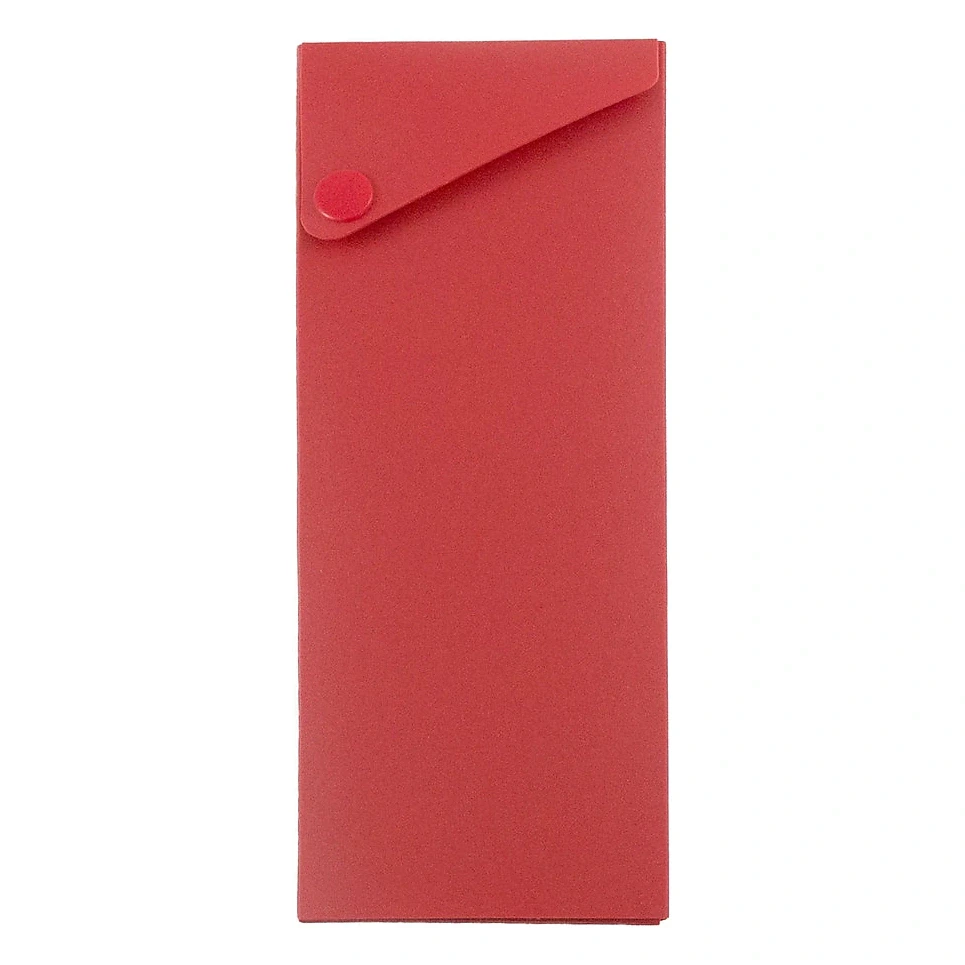
A kindergartener needs about ten cheap classroom consumables - our ten-item basket of crayons, markers, pencils, glue, scissors, a primary journal, a folder, a pencil box and dry-erase markers comes to $46.73 - plus five gear decisions that cost real money: a backpack, lunch box, water bottle, wired headphones and a rest mat, $18.99 to $39.95 each.
At a Glance
A kindergartener needs about a dozen cheap consumables, a share of the classroom's donation supplies, and five pieces of gear where the money and the decisions actually are: a backpack, a lunch box, a water bottle, wired headphones and a rest mat. Plus shoes with no laces.
That is the honest shape of this shop, and it is worth saying up front because most kindergarten supply articles flatten it. Below are 80 picks across 11 sub-categories, every price taken from the product page itself rather than a listing, ranging from a $0.50 box of crayons to a $74.95 wide-fit sneaker. Thirty-six of them cost under $10. The full ten-item consumable basket comes to $46.73; the eleven picks we wrote full reviews for total $260.68 together. Almost everything else on this page is a commodity — buy the brand your teacher's letter names and stop thinking about it.
What makes a kindergarten list different from a school supply list generally is that five-year-olds need chunkier, washable, safer versions of the same things: jumbo triangular crayons instead of standard wax, blunt-tip safety scissors, a journal with a picture box and a dashed midline instead of a composition book, velcro instead of laces, and a name on absolutely everything. Where that judgment changes the pick, we say so.
Core writing & coloring
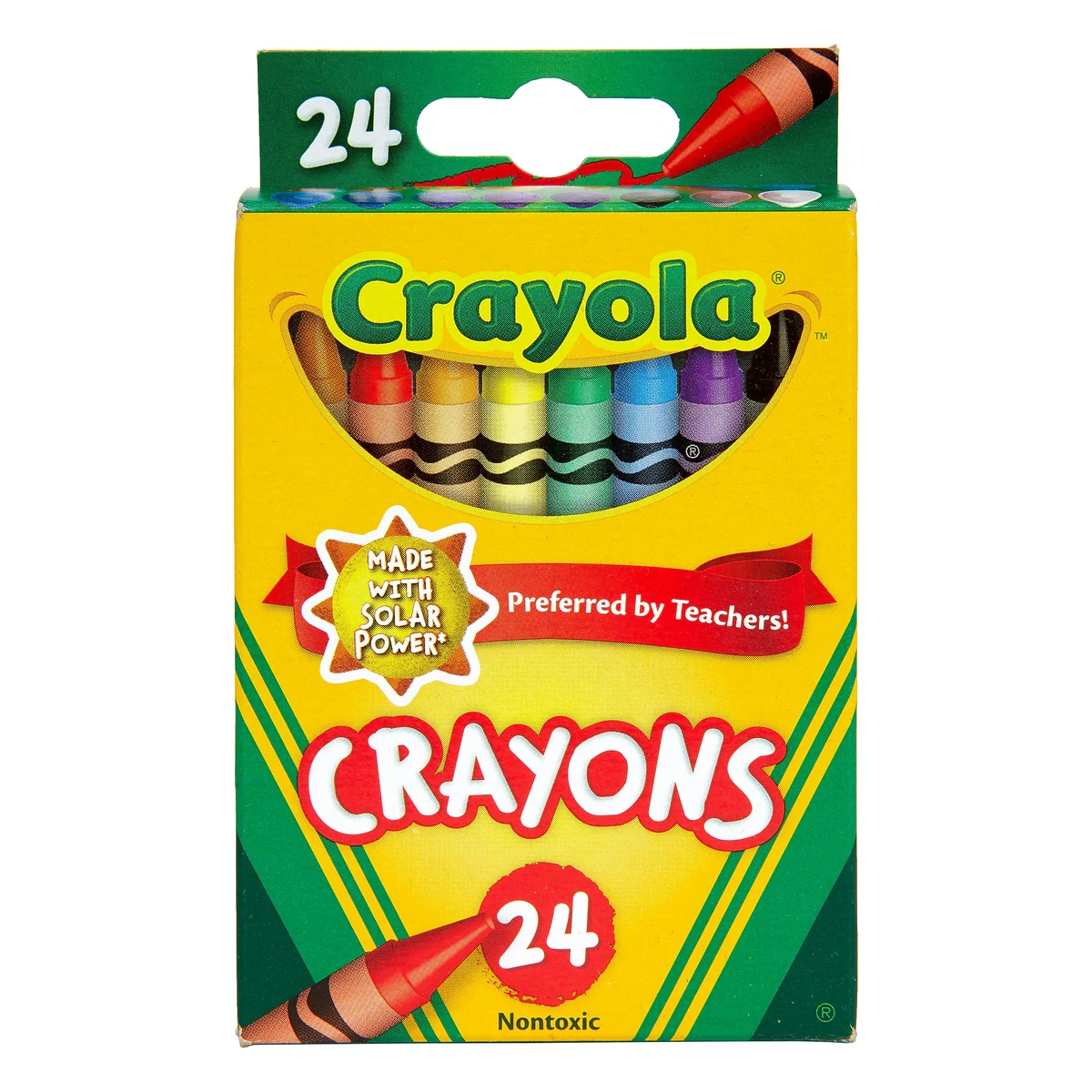
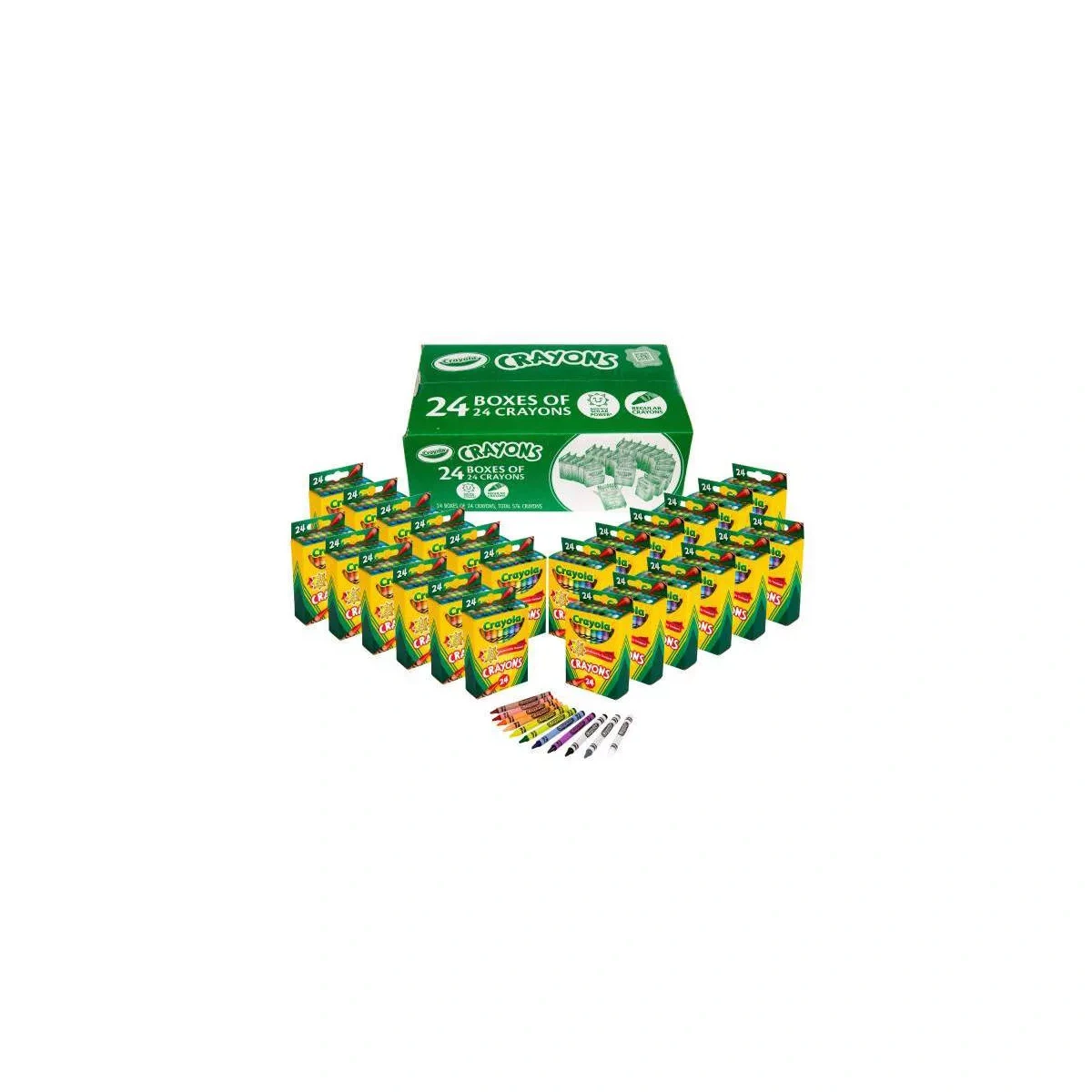
This is the biggest section on the list and the one with the fewest real decisions in it. When a supply list says "crayons" it means the 24-count box, and the count is not arbitrary — it is the size that fits the pencil box the same list will ask you to buy. Only two variables here are worth any thought, barrel shape and whether the formula washes out, and both matter more the younger and less coordinated the child is. Everything else is a commodity: buy the brand named on the letter and stop thinking about it.
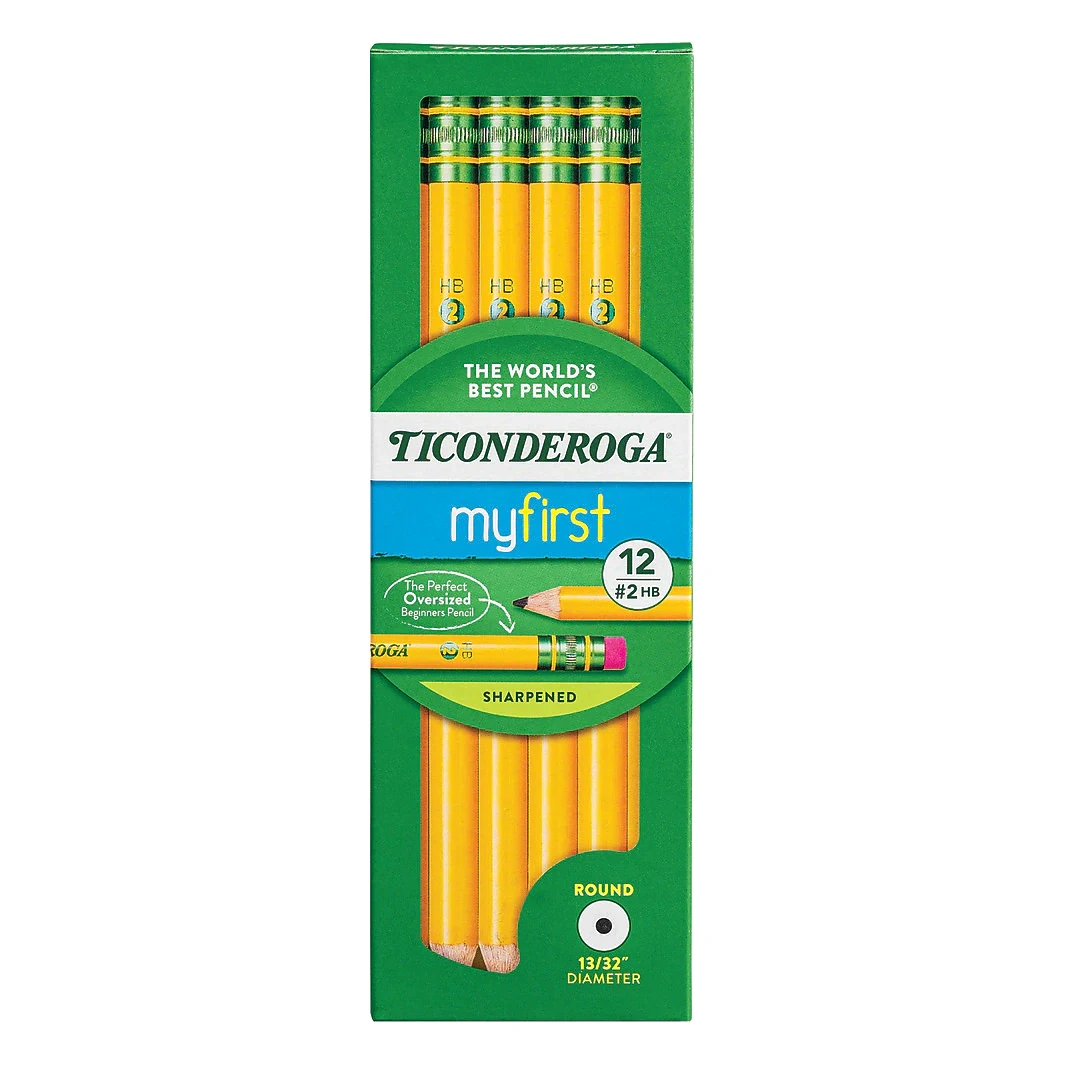
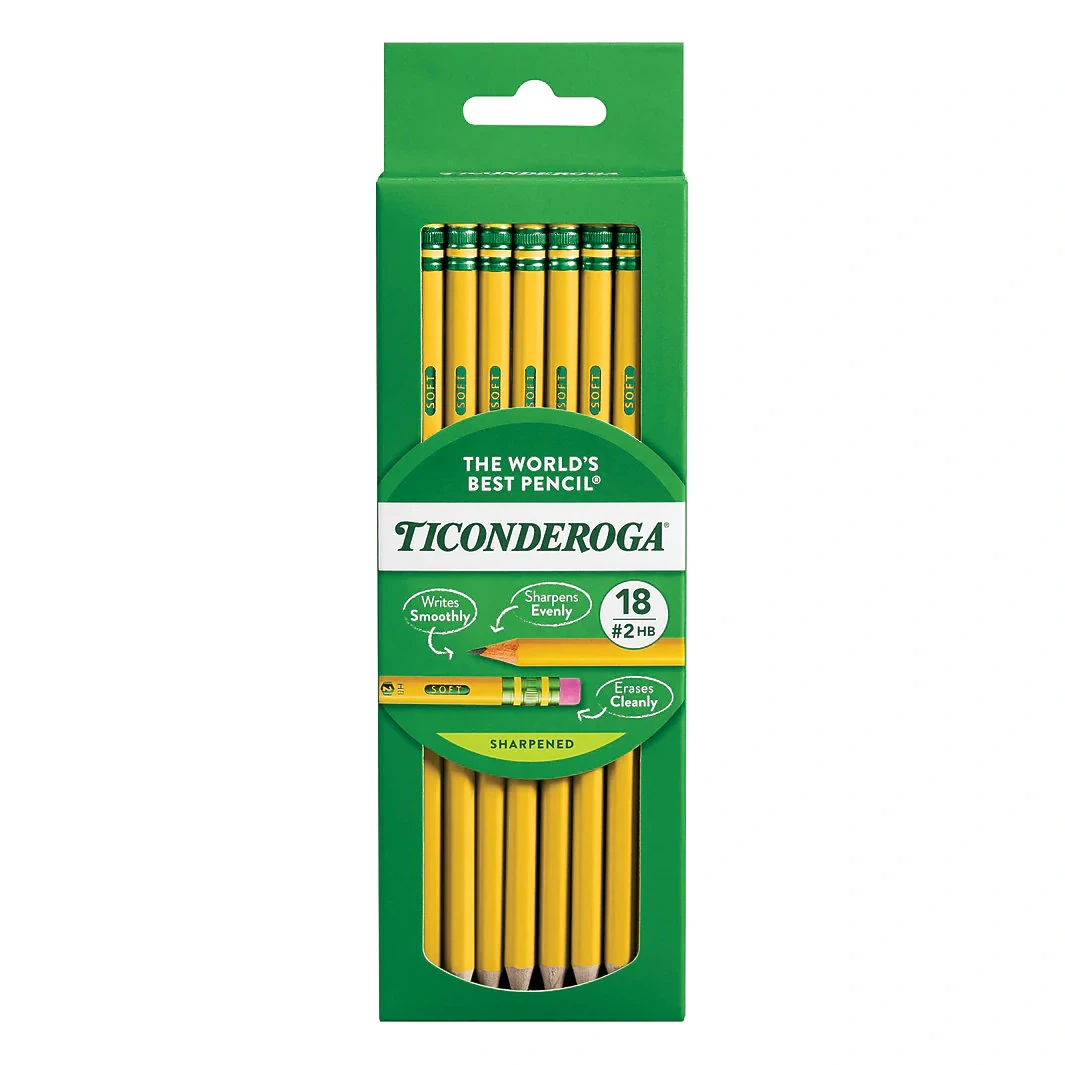
Ticonderoga My First Ticonderoga Pre-Sharpened Pencils, 12ct
The mistake almost every parent makes is buying a standard #2 in August because the list said Ticonderoga. The My First version is the beginner-barrel one, fat enough through the middle that a five-year-old's fingers have something to close around, and it ships pre-sharpened, which matters more than it sounds on the first morning of school. The lead is soft and doesn't shatter in a hand-crank sharpener, and there's a real eraser on the end rather than a token nub. Ten dollars for twelve is genuinely steep next to a $3.99 box of standard #2s, and the barrel is too thick for some pencil boxes and most home sharpeners. Buy one dozen for the first semester and switch when their hand catches up.
What We Love
- Fat beginner barrel with a real eraser, pre-sharpened out of the box
- Lead doesn't shatter in a hand-crank sharpener
- 4.79 stars over 96 reviews
Worth Noting
- Too thick for some pencil boxes and most sharpeners at home
- $10 for 12 is steep next to a standard #2
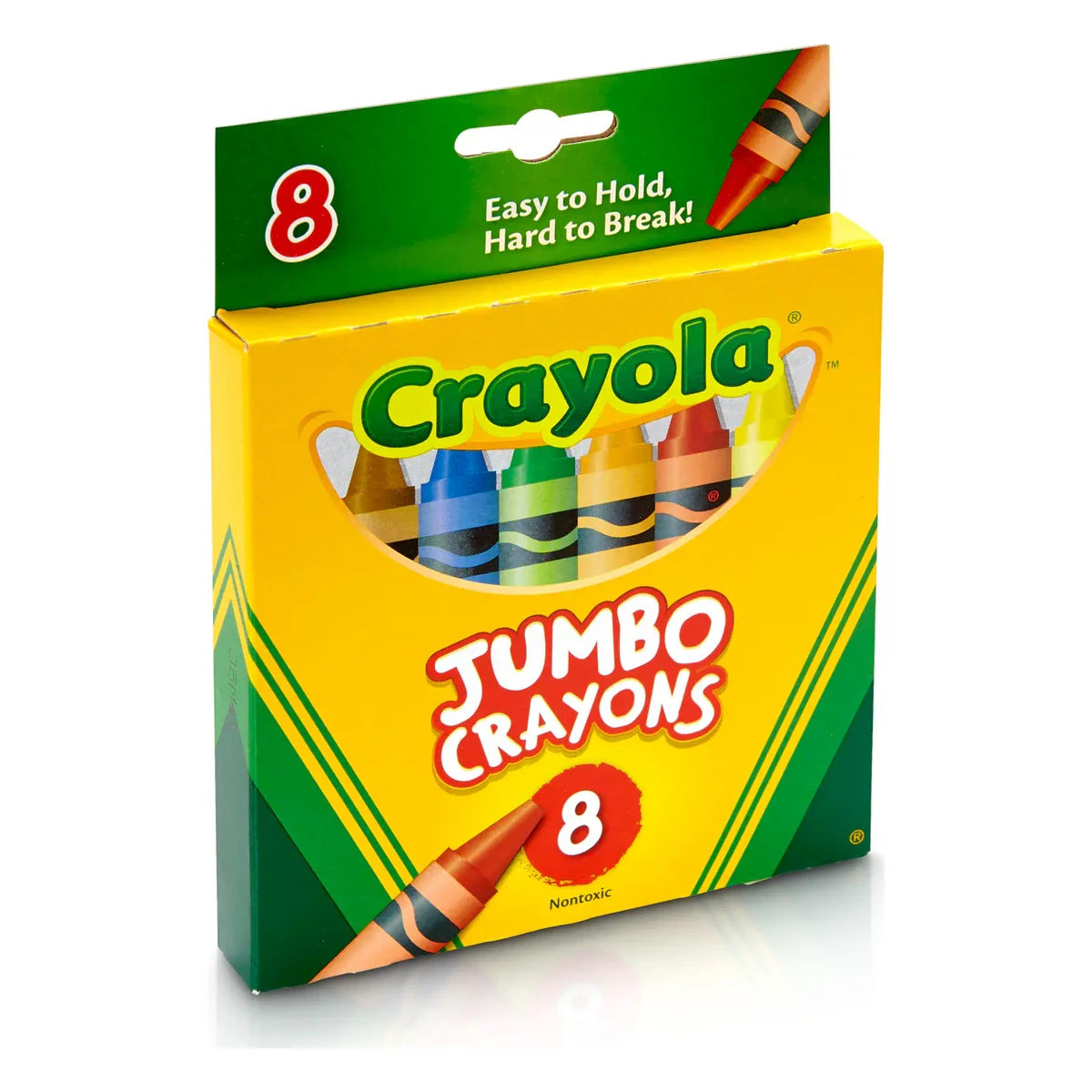
Crayola Jumbo Easy Grasp Crayons, 8ct
Half a kindergarten class still holds a crayon in a fist in September. The fat triangular barrel forces a tripod pinch without a single reminder, and it won't roll off a desk. Only eight colors, and too fat for a standard pencil box slot.
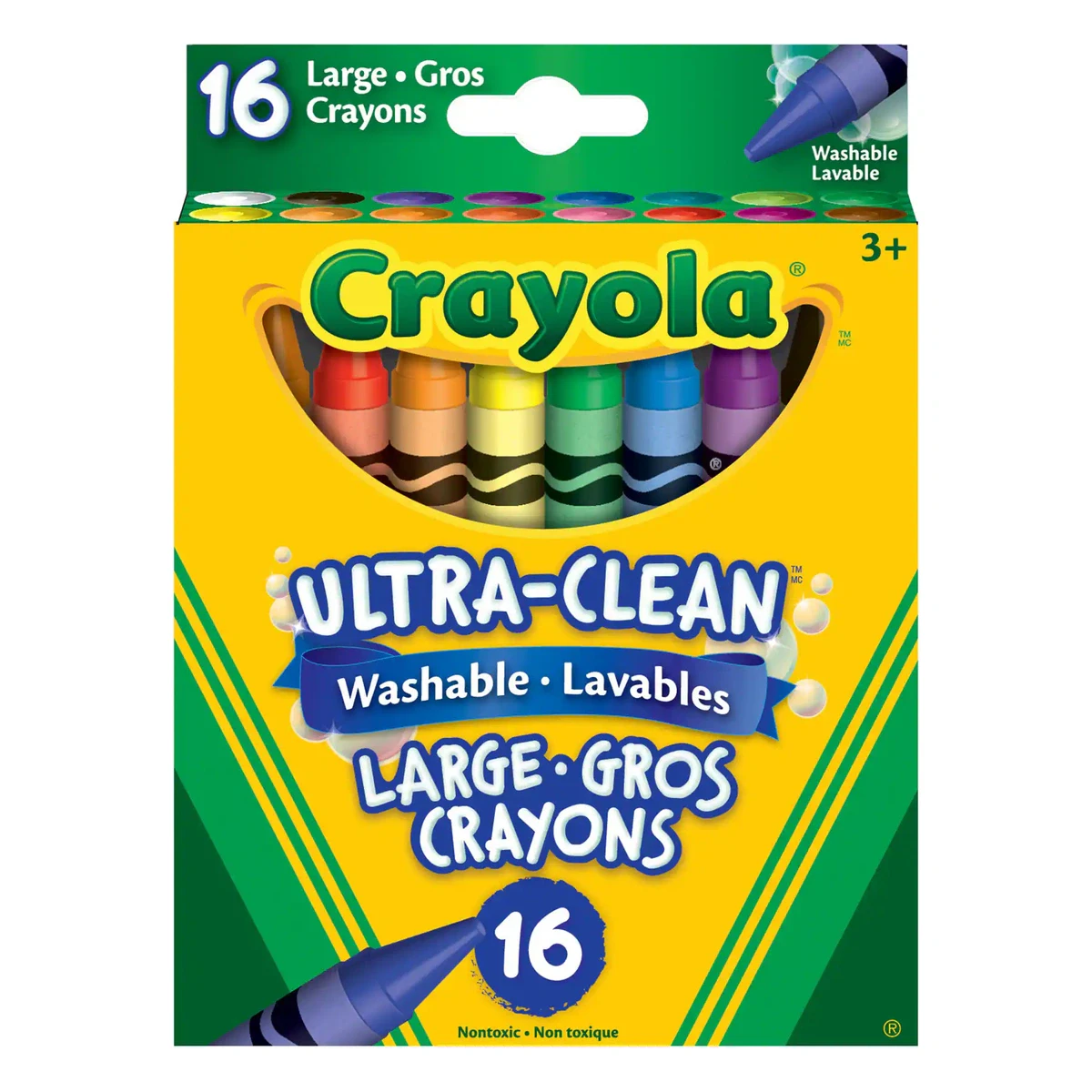
Crayola Ultra-Clean Large Washable Crayons, 16ct
Large barrel plus the Ultra-Clean washable formula in one box — the two things that actually matter at five. About $2 more than the standard 24-count, and the larger crayons wear down faster.
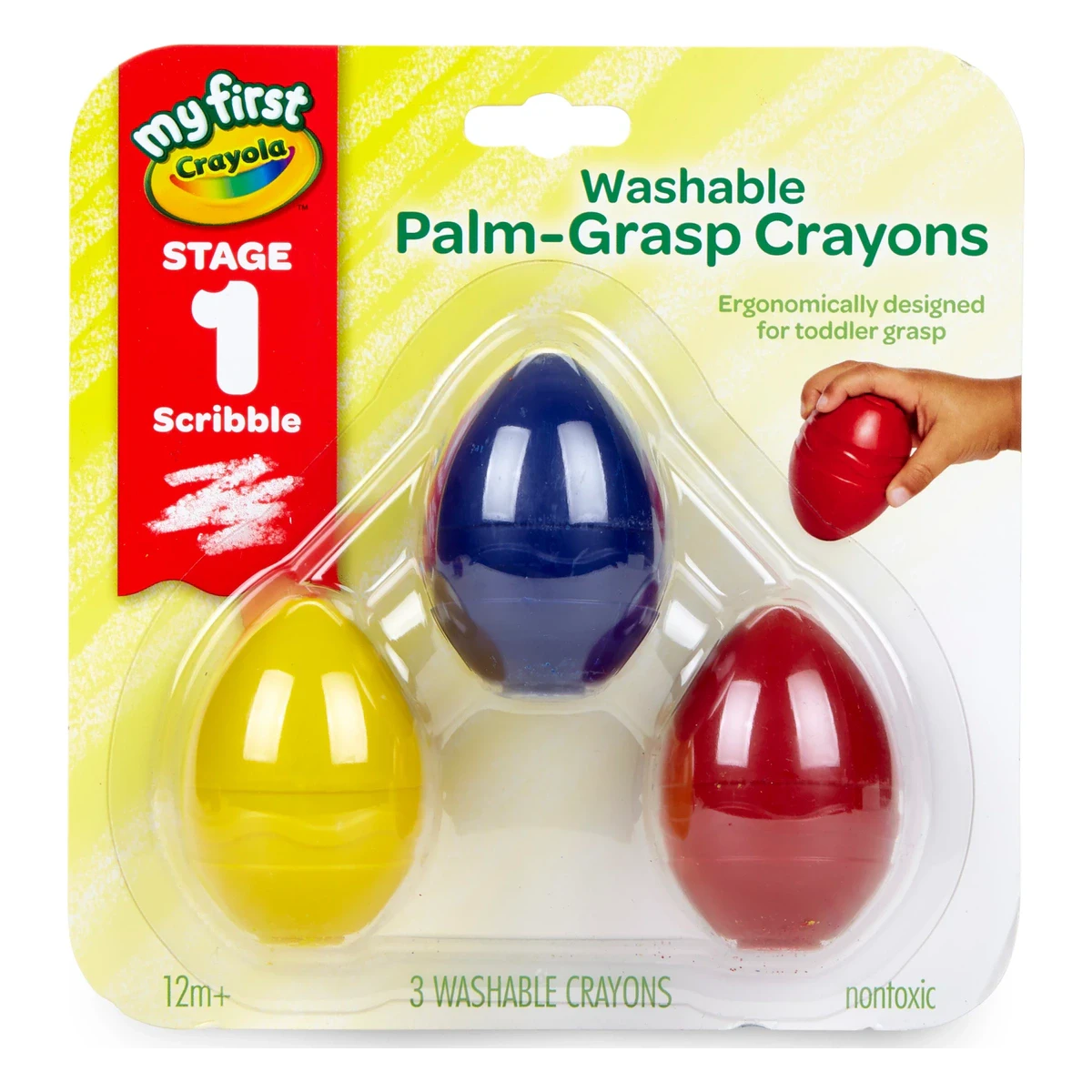
Crayola Washable Palm-Grasp Crayons, 3ct
An honest pick for a child who isn't grip-ready yet: the egg shape sits in a closed fist, so there's nothing to correct. Three colors only, and it is genuinely a pre-K product — some kids will find it babyish.
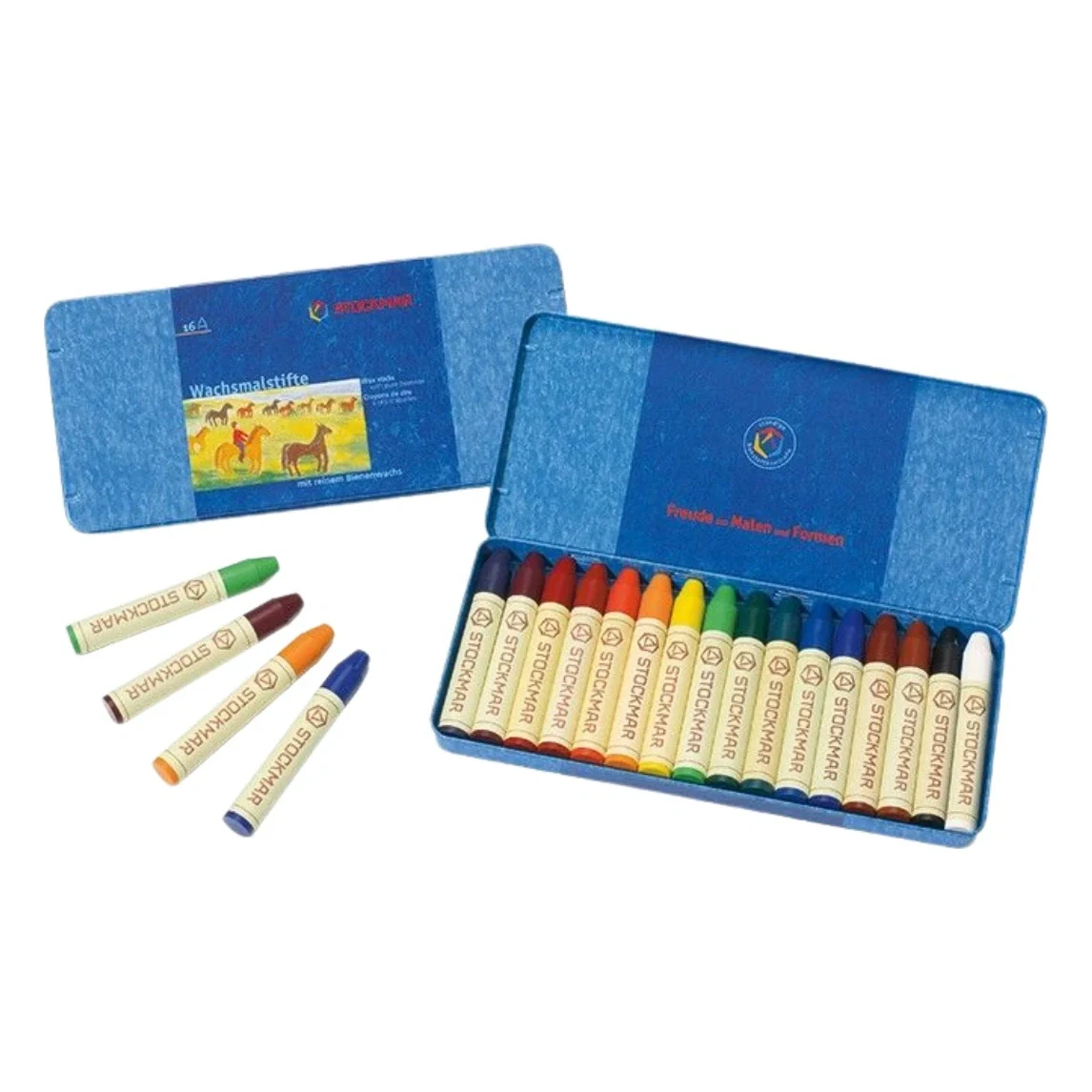
Stockmar Beeswax Stick Crayons, 16 Sticks
Not a school-supply-list item, and we're not pretending otherwise at $35.20. Pure beeswax, effectively unbreakable, and the crayon the Waldorf and Montessori world standardized on. Buy it for the kitchen table; send it to school and it will not come home.
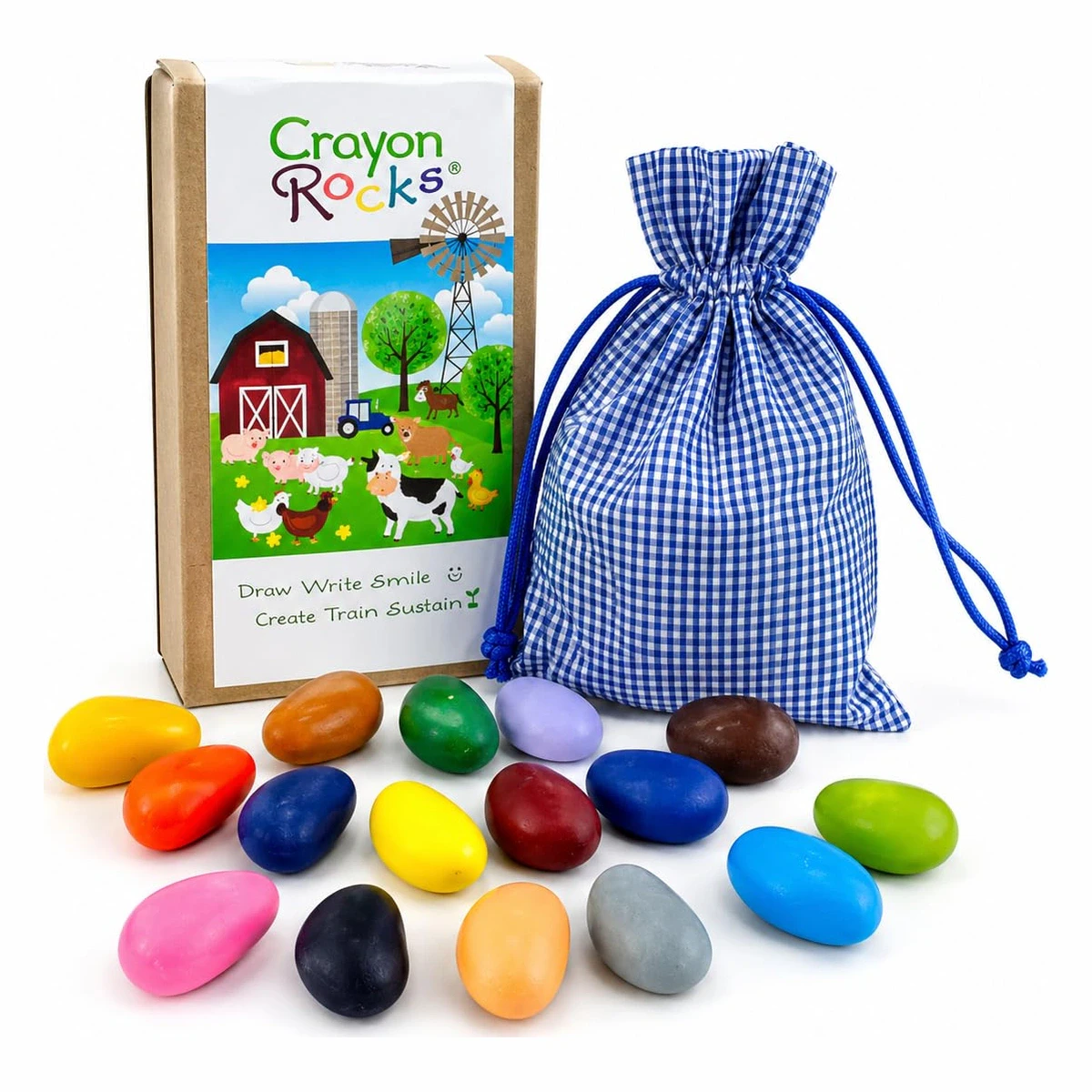
Crayon Rocks, 16 Count Soy Wax Crayons
Shaped so they physically cannot be fisted, which is why occupational therapists hand these out before they hand out a pencil grip. Soy wax, non-toxic, made in the US — but this listing carries only 13 reviews, and they're small enough to lose in a couch.

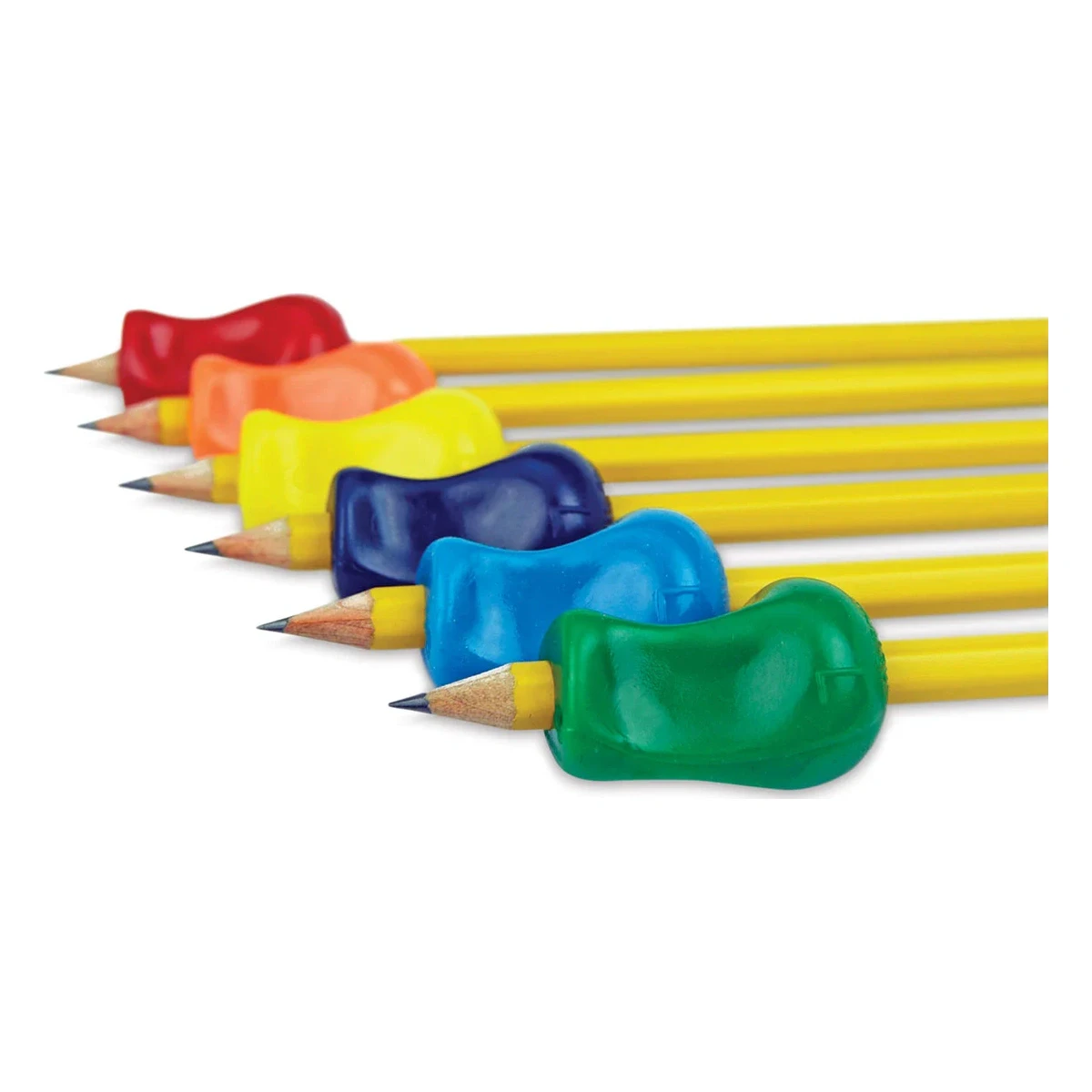
The Pencil Grip — The Original Grips
The default occupational-therapy grip: $2.50 positions all three fingers automatically and fixes a fisted or thumb-wrapped hold better than any pencil does. It won't fit a jumbo beginner pencil, and some children pull them off and lose them.
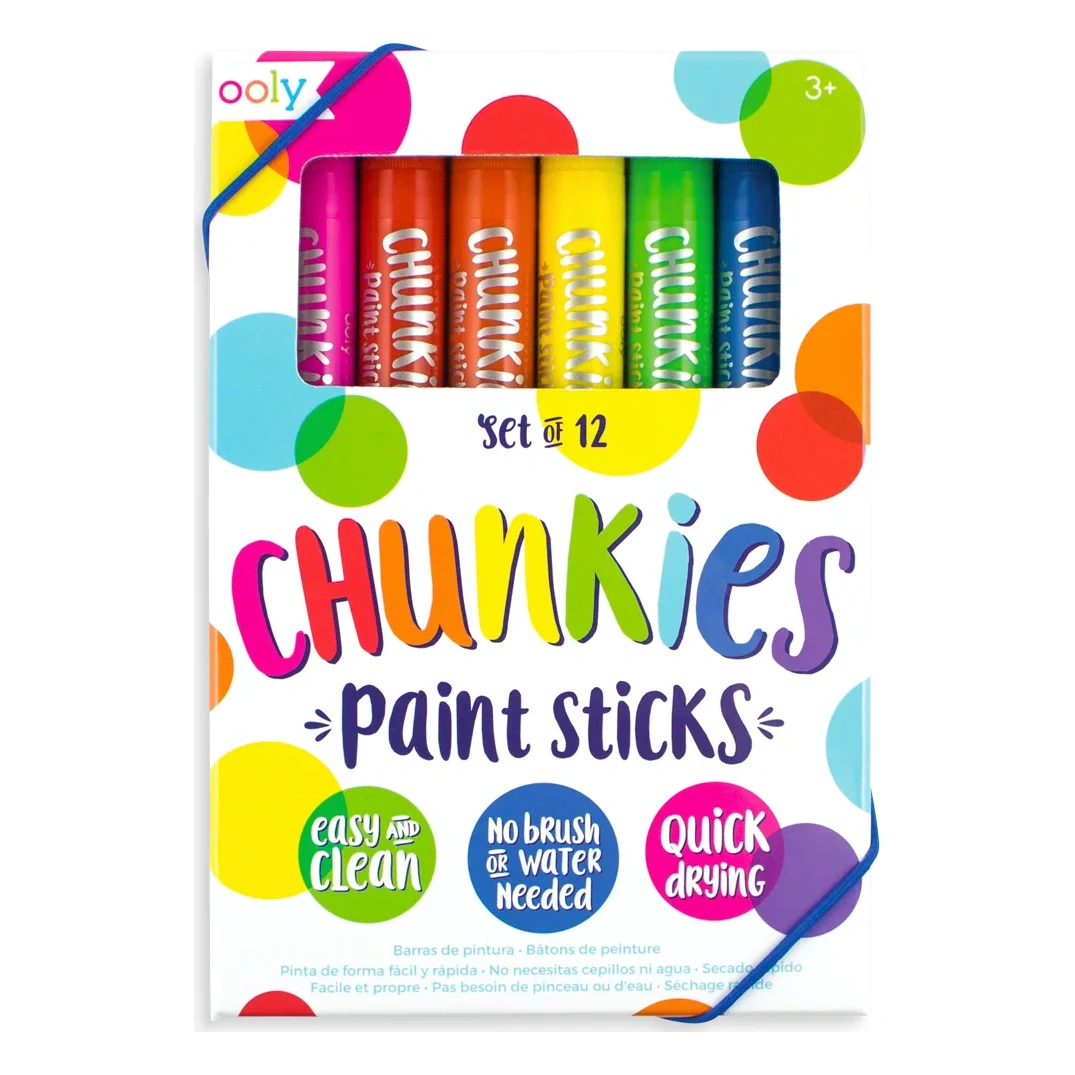
OOLY Chunkies Paint Sticks, Set of 12
Paint with no water, no brush and no cleanup — the twist-up barrel means nothing dries out, and there's no water cup to knock over. Coverage is lighter than real tempera. A perfect 5.0 rating across 143 reviews.
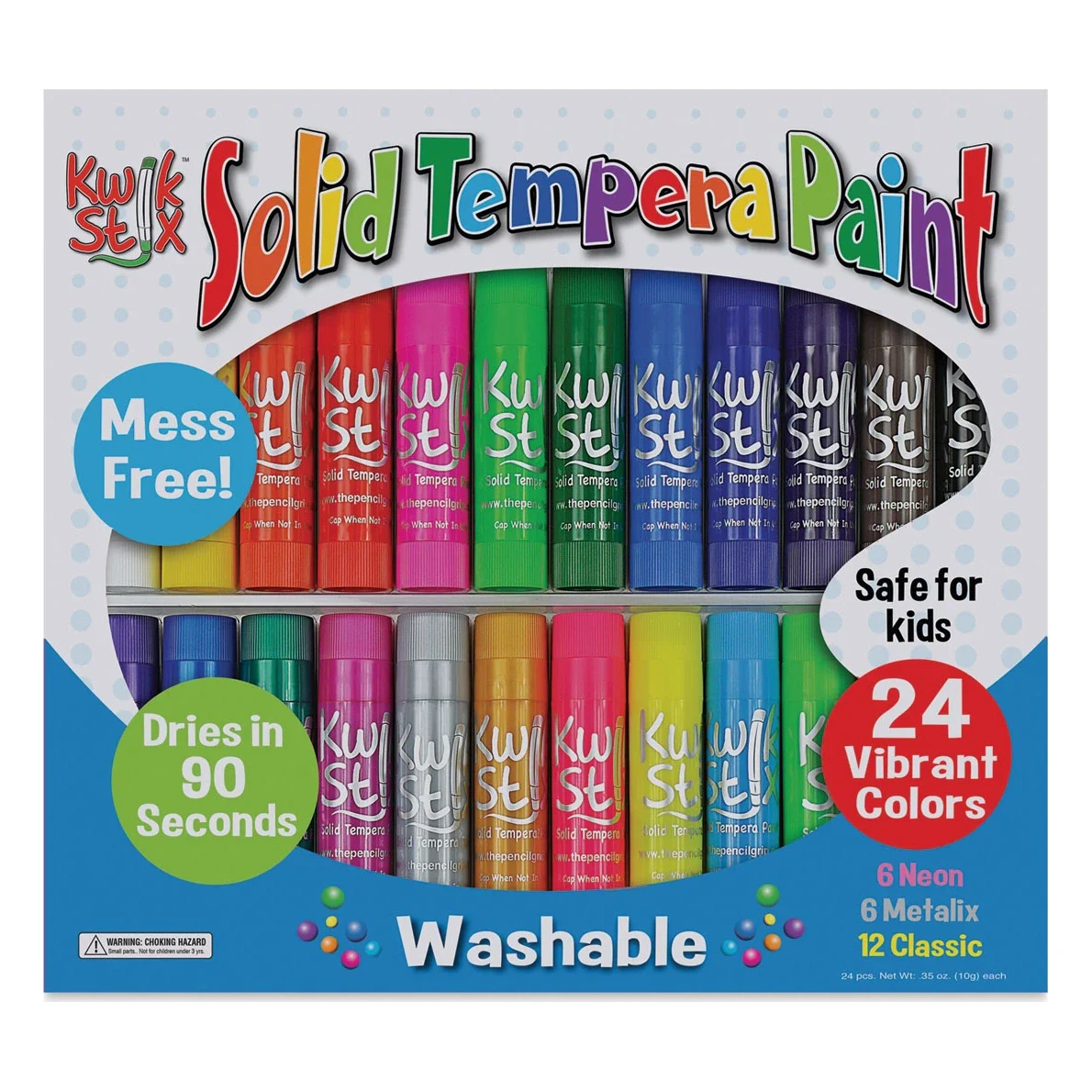
Kwik Stix Solid Tempera Paint Stick Sets
The classroom version of the same idea, and the one art teachers stock: roughly 90 seconds to dry, so nothing smudges inside a backpack. Caps have to go back on or the stick skins over. Sets start at $6.52.
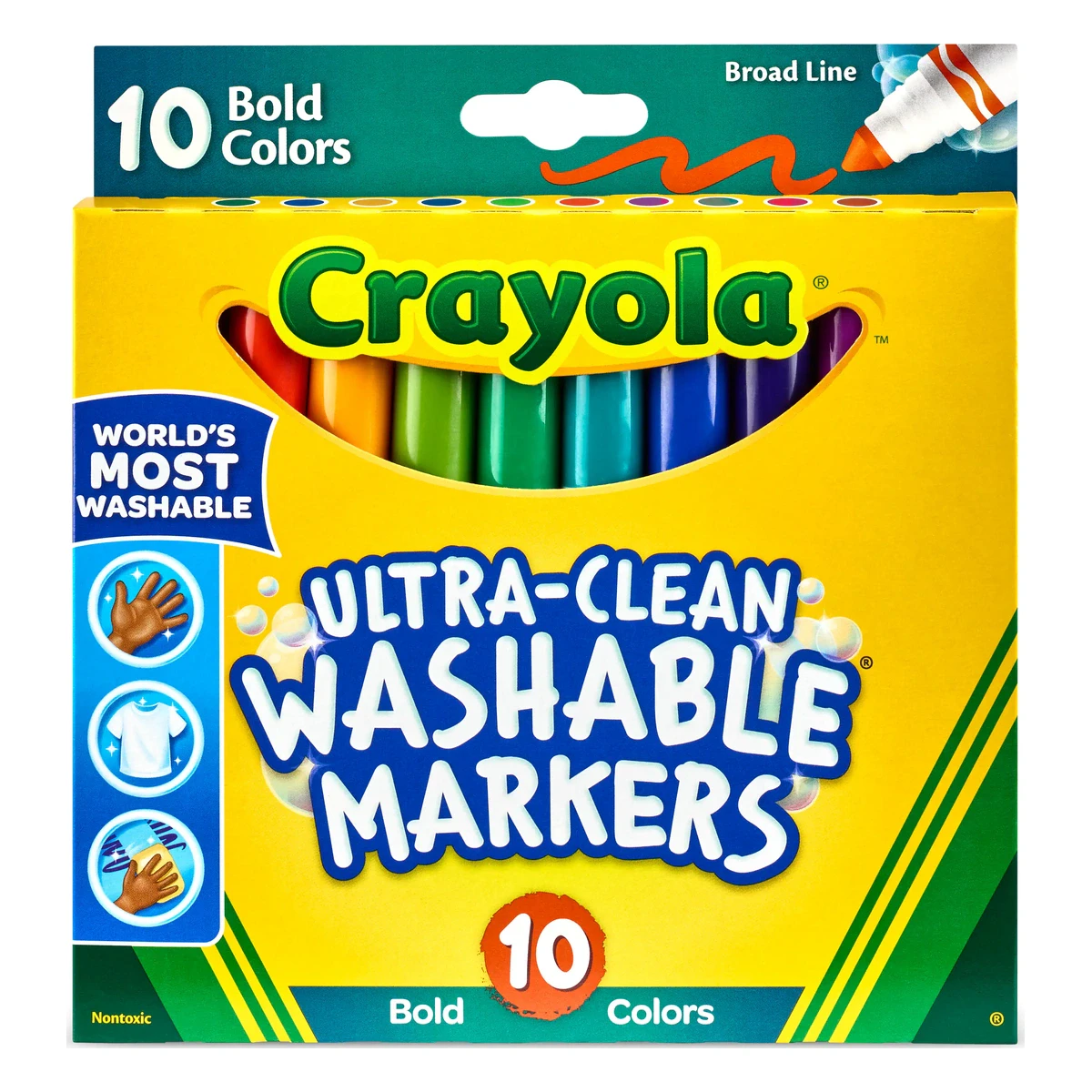
Crayola Ultra-Clean Broad Line Washable Markers, 10 Count
Buy broad line, not fine. Kindergarten pressure frays a fine tip inside a week, and the Ultra-Clean formula is the difference between the washing machine fixing it and not. Ten colors, and the caps will get lost.
Paper, folders & notebooks
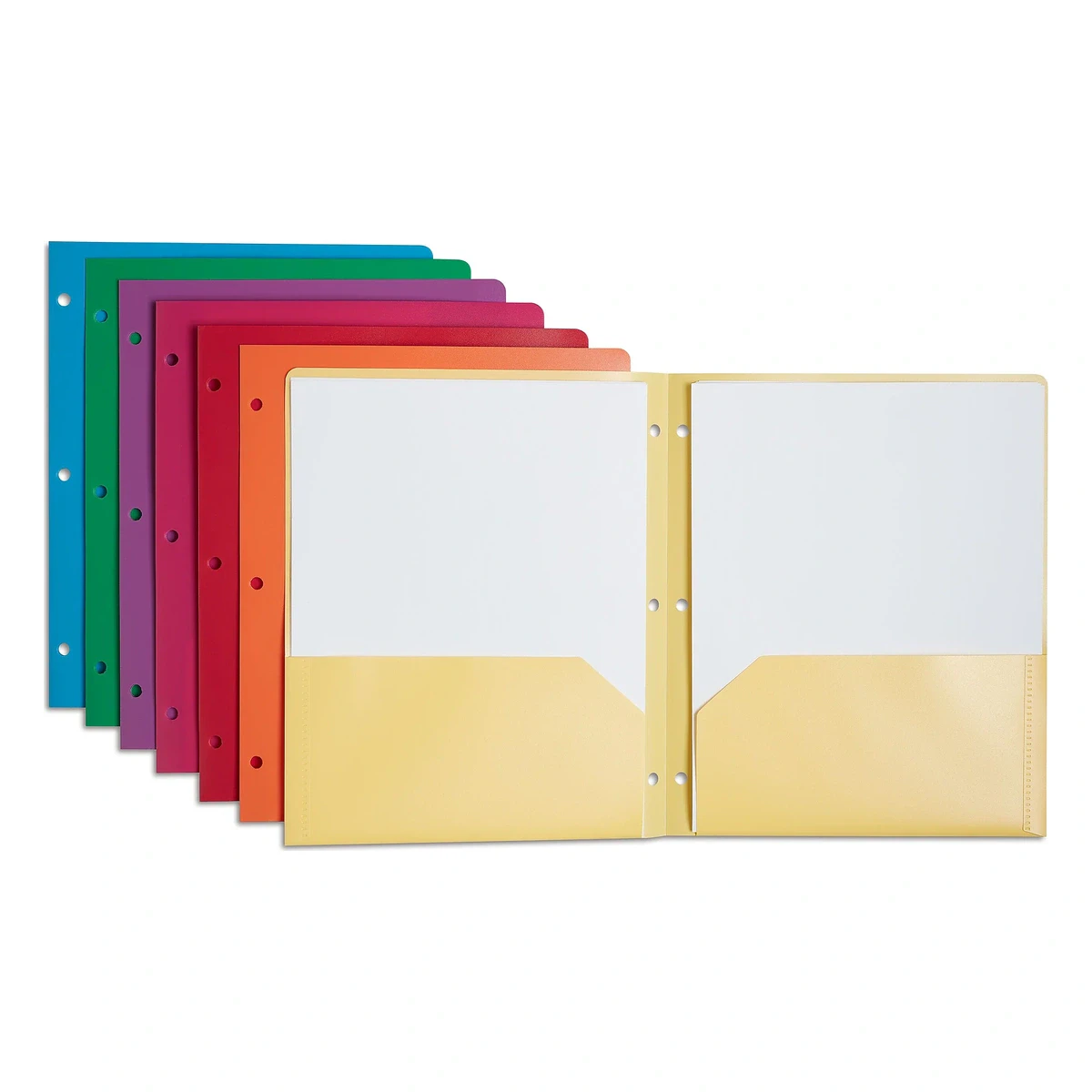
Kindergarten paper is a genuinely different product from school paper generally, and buying the adult version is the most common mistake parents make in this section. The ruling is wider, it has a guide line through the middle, and the format assumes a child draws first and writes second. Supply lists usually spell this out and parents usually skim past it. One rule that is not always written down: buy plastic folders, not paper. The daily take-home folder gets crammed into a backpack twice a day for 180 days and paper does not survive that.
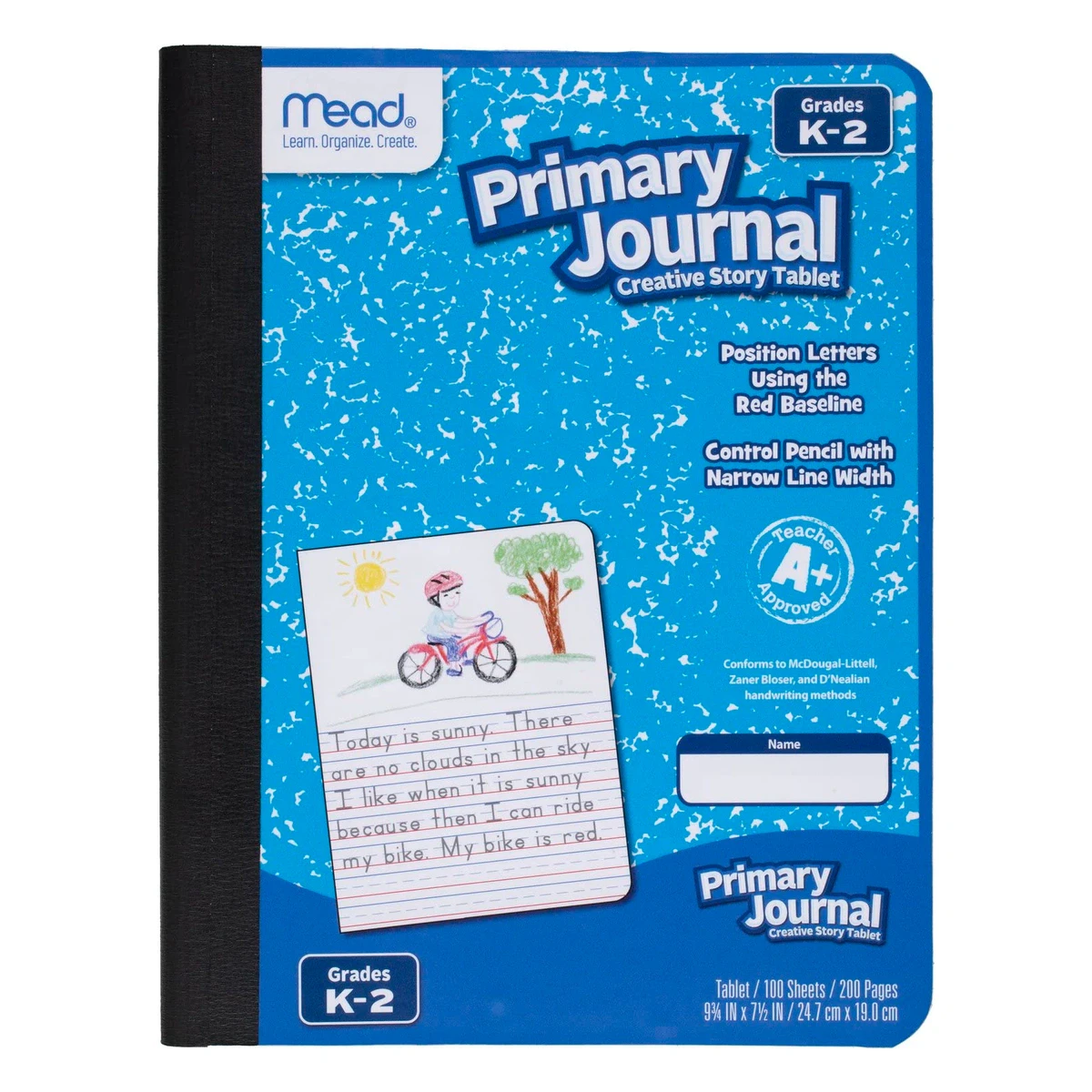
Mead Primary Journal, Grades K-2 (picture box + dashed midline)
This is the notebook kindergarten lists mean when they say "journal," and the reason a wide-ruled composition book comes back home. The top of every page is a blank box for drawing and the bottom is dashed-midline handwriting ruling — that layout isn't decoration, it's the order five-year-olds actually work in. They draw the thing first, then they have something to say about it. The binding is sewn rather than glued, which is why it survives being crushed into a backpack twice a day for a full school year. At 4.8 stars across 4,950 reviews for $4.79 it's the highest-confidence pick in this section. The pages are newsprint, so keep markers away from it, and 100 sheets goes faster than you'd think.
What We Love
- Blank drawing box on top, dashed-midline handwriting lines below
- Sewn binding survives a backpack
- 4.8 stars over 4,950 reviews at $4.79
Worth Noting
- Newsprint pages bleed if a marker gets near them
- Only 100 sheets
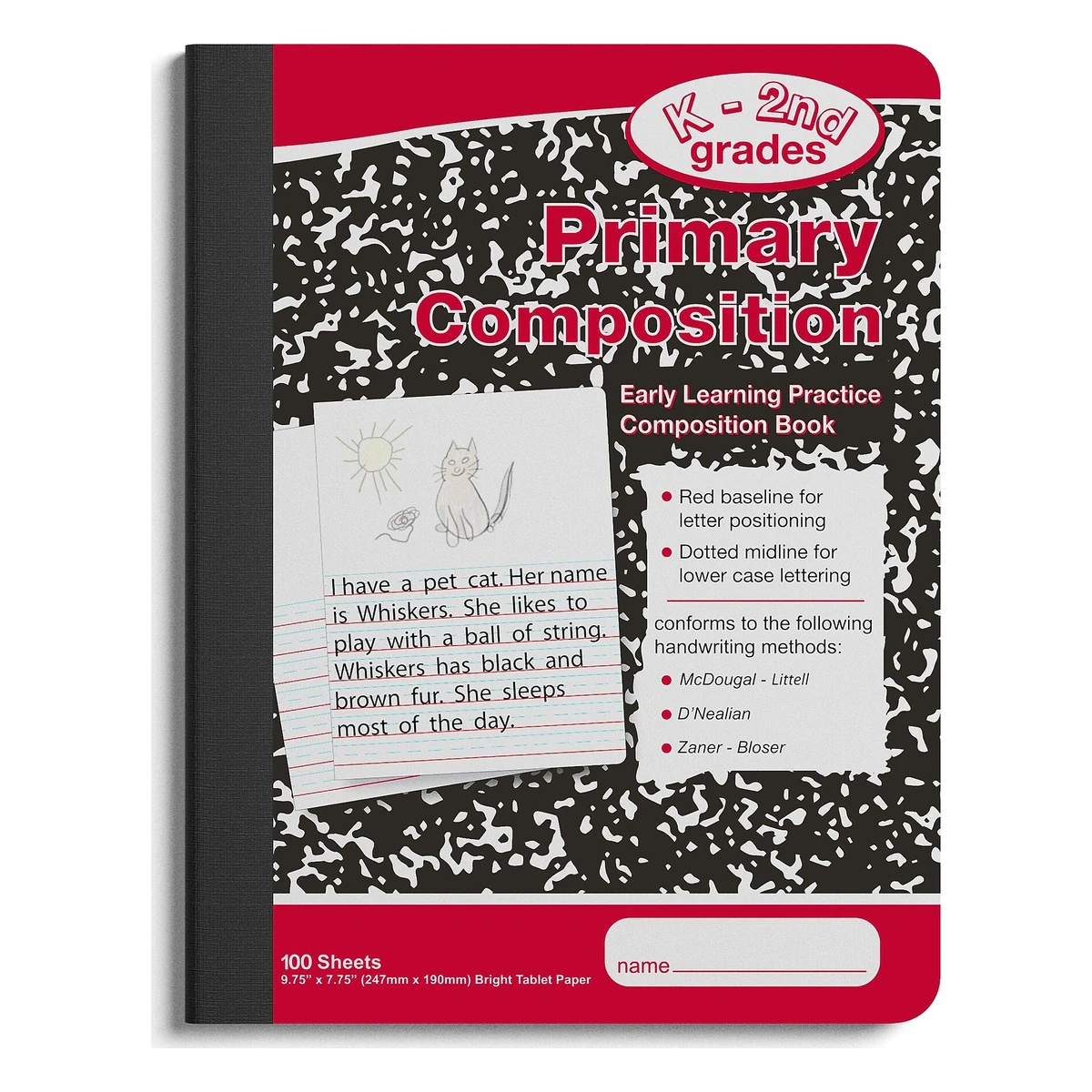
Staples Primary Composition Notebook, Primary Ruled, 100 Sheets
The same primary ruling as the branded journal for $2.49 — this is where you buy the second and third one when the teacher asks for three. Thinner paper and a plain cover; composition binding, so there's nothing to unwind.
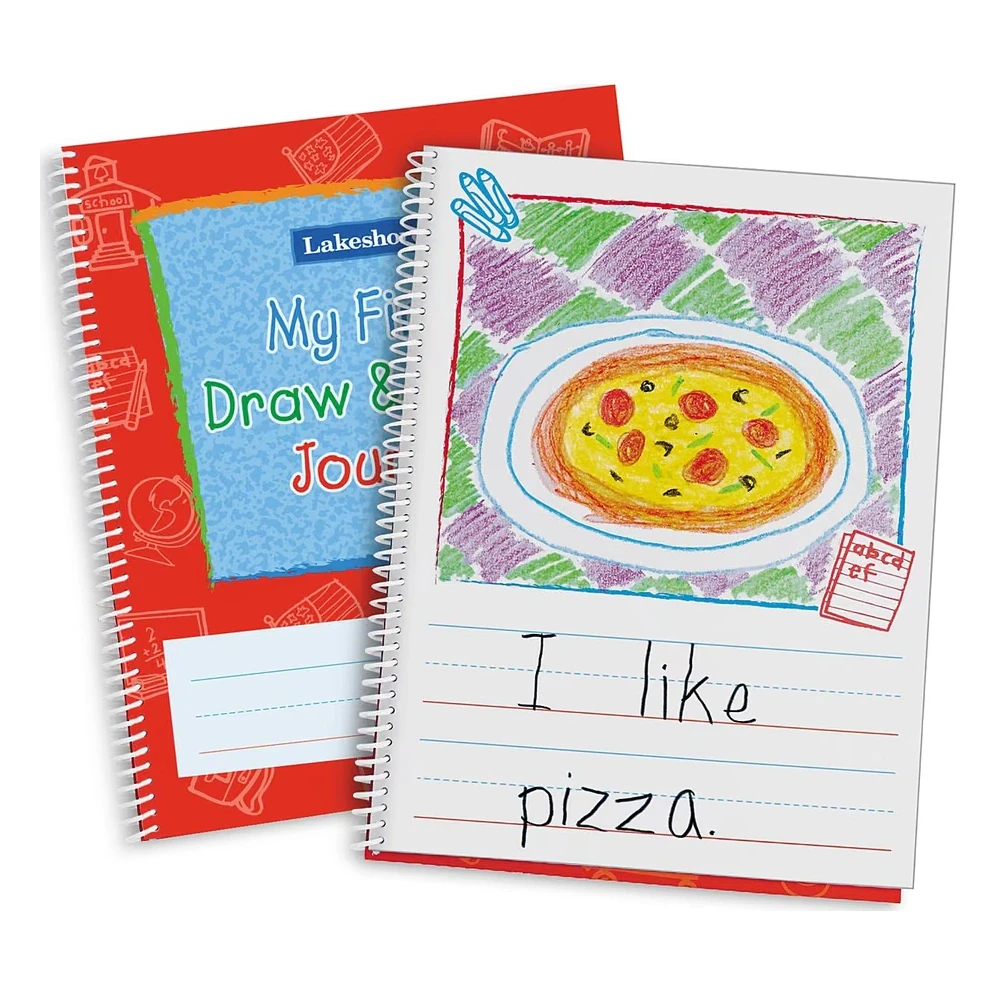
Lakeshore My First Draw & Write Journal
The lay-flat spiral is the detail almost no consumer notebook has, and a kindergartener cannot hold a book open and write at the same time. Thick paper markers don't bleed through, and the widest line spacing available — sized for ages 4-5.
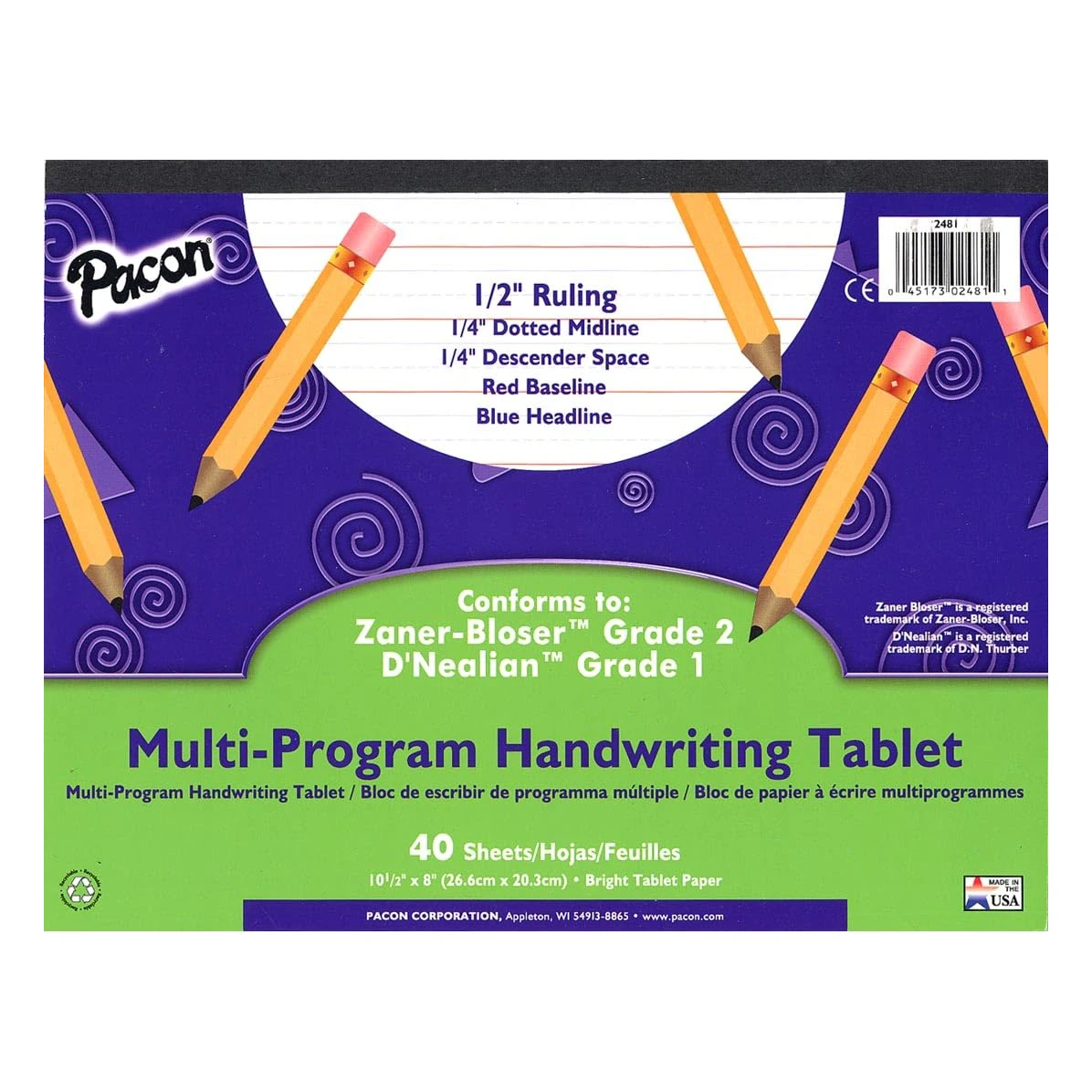
Pacon Multi-Program Handwriting Tablet, 1/2" Ruled
If you're going to practice letters at home, use the paper the school uses — printer paper teaches a child to write letters at the wrong size. 500 sheets of skip-a-line dashed-midline ruling, though the newsprint tears under an eraser.
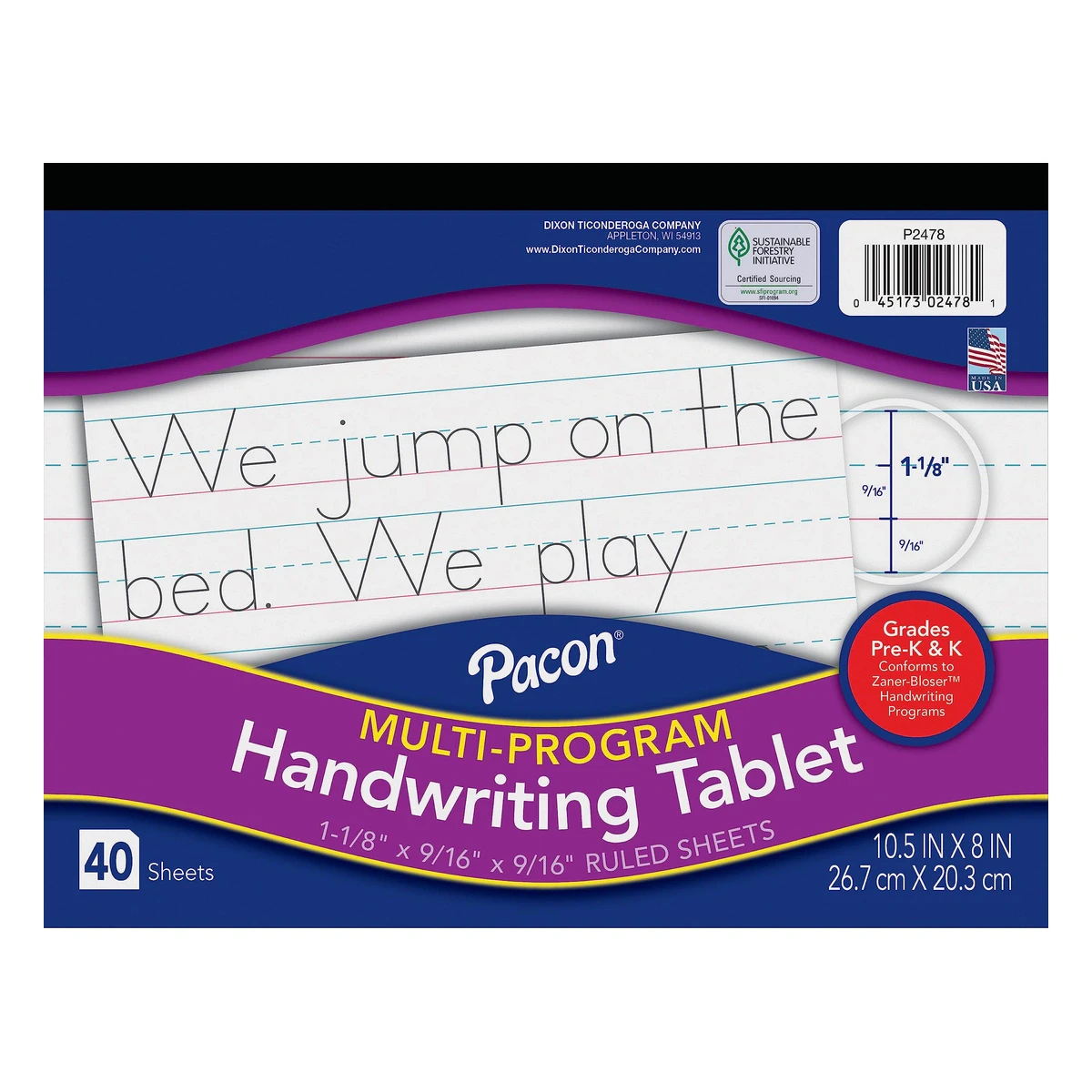
Pacon Handwriting Paper, Zaner-Bloser Grades Pre-K & K
The red baseline does the correcting so you don't have to, and at 1-1/8" this is the widest ruling made. Loose sheets with no binding, and it's only useful for a year or two.
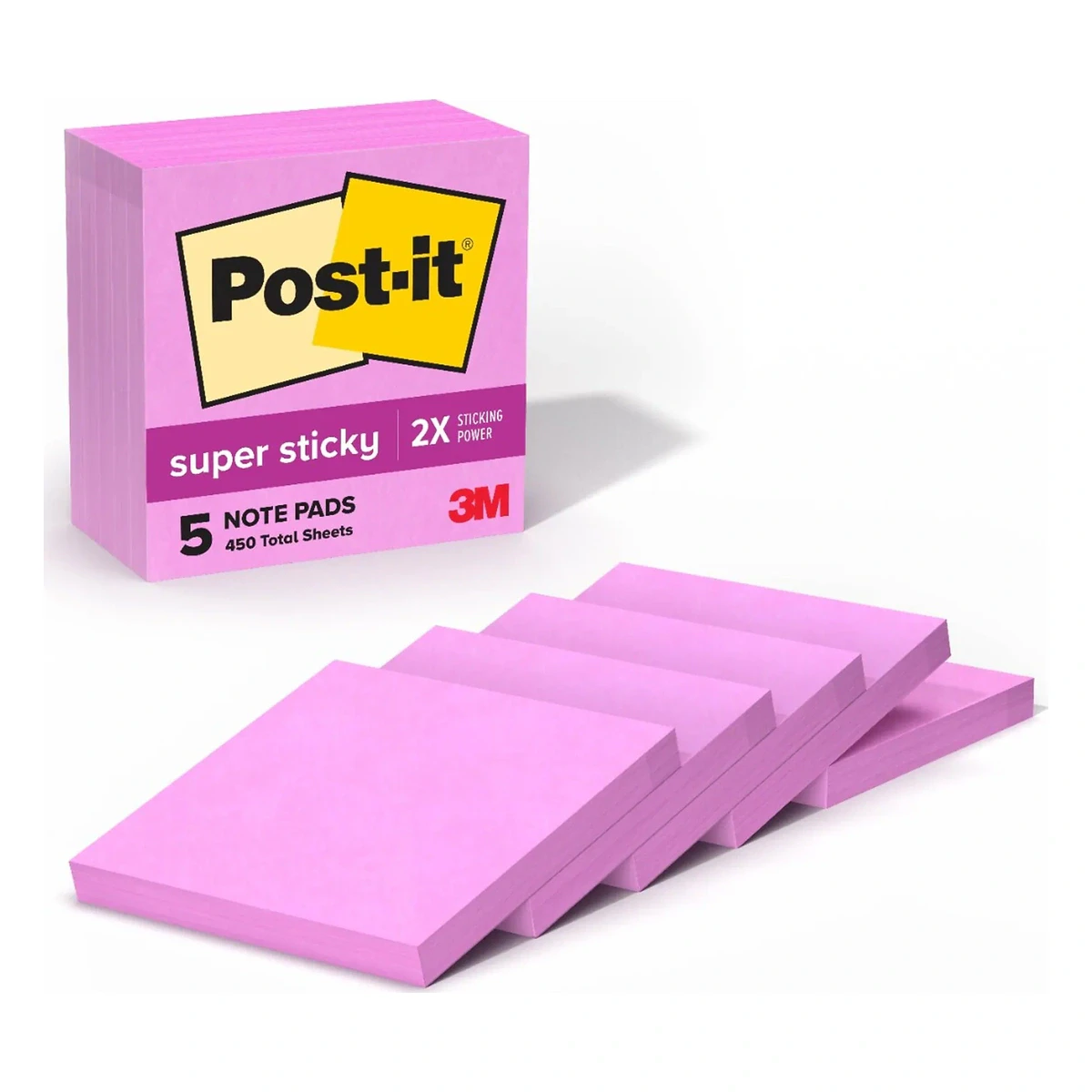
Post-it Super Sticky Notes, 3x3, 5 Pads
On far more kindergarten teacher wishlists than parents expect — sight-word practice, name labels, reading flags. Buy the Super Sticky version; the regular ones are half the price and fall off the anchor chart overnight.
Glue, scissors & art supplies
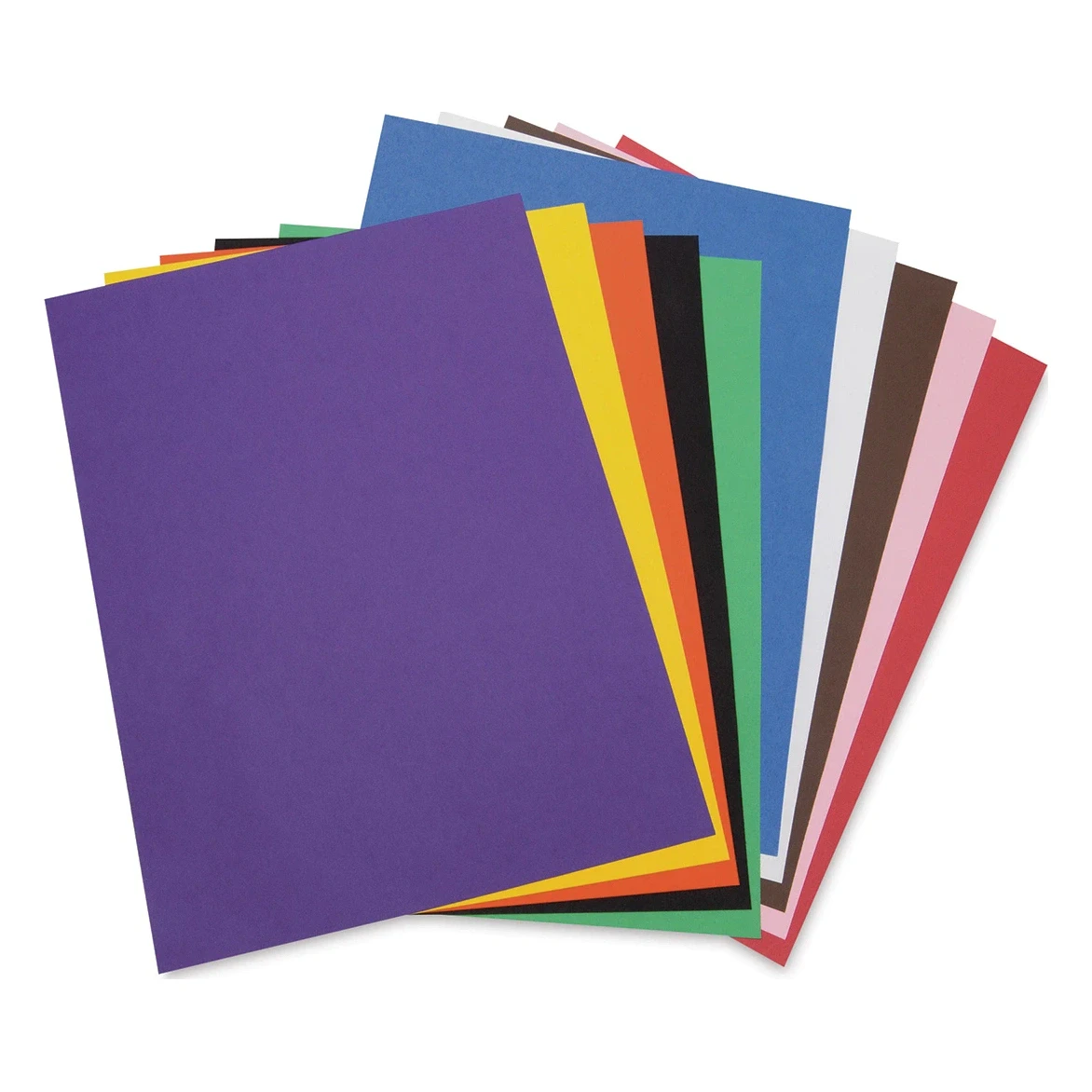
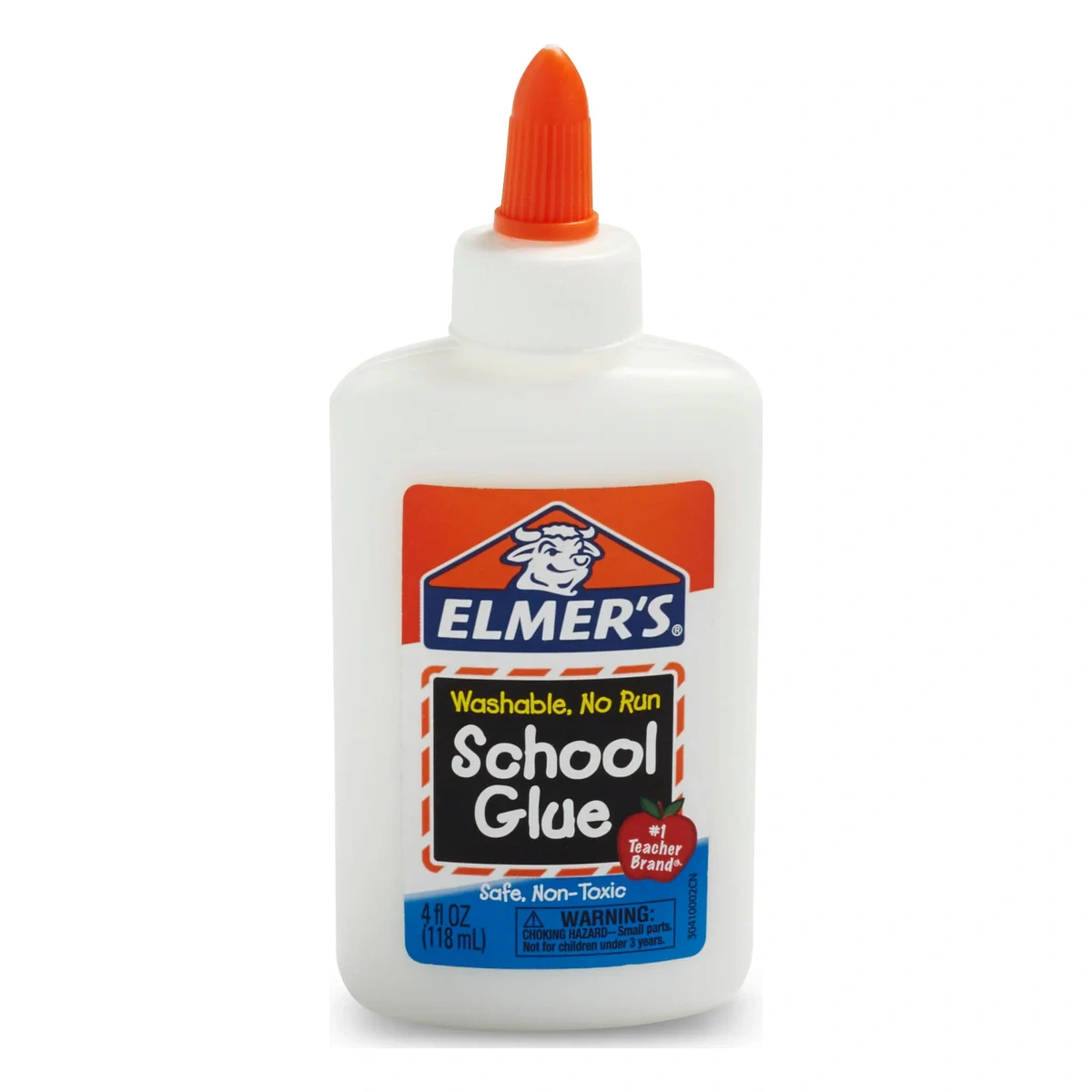
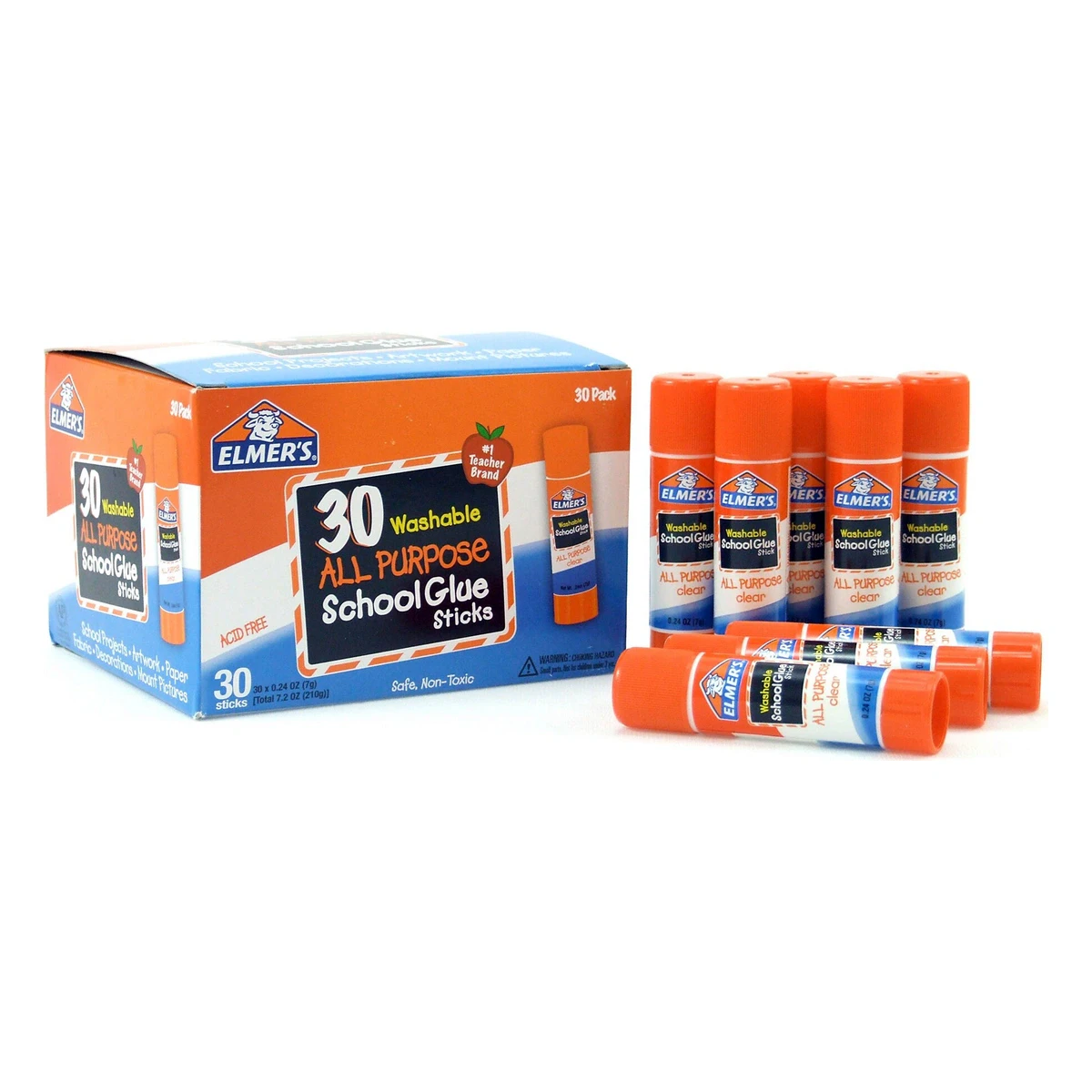
Buy the washable formula in both stick and liquid form. It costs the same as the regular version, and a kindergarten classroom gets through a startling amount of glue with almost none of it landing where it was aimed. Scissors are the other decision here, and the single thing to check on your letter is tip shape, because schools genuinely disagree about it and a few ban one type outright. Nothing in this section costs more than $13.
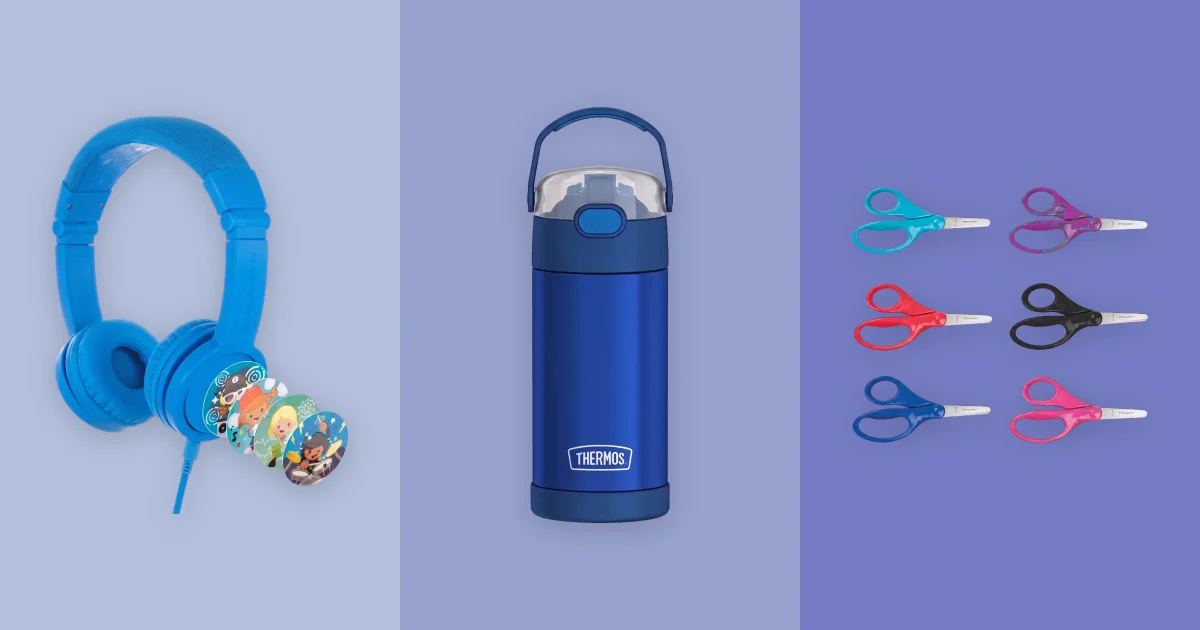
Fiskars 5" Blunt-Tip Kids Scissors
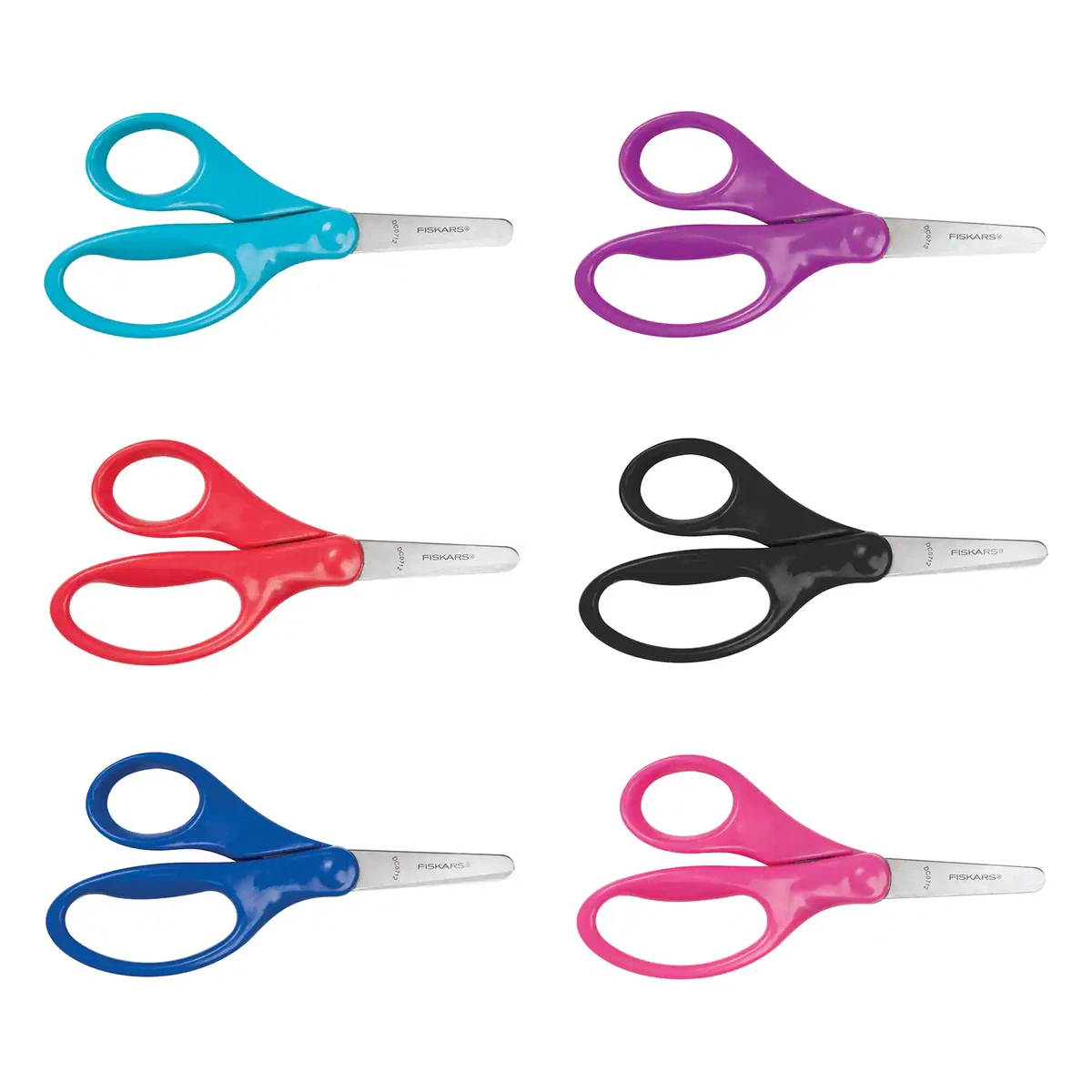
Cutting is formally assessed in kindergarten, which is why scissors are the one four-dollar item on this list worth thinking about. Fiskars gets named by brand on district lists because of the handle, not the blade: the Softgrip loops physically guide a small hand into position, where a hard plastic dollar-store loop lets it slide out and the child compensates by turning the scissors sideways. Blunt tips are what most kindergarten rooms require — check your letter, because a meaningful number ask for pointed instead. The trade-off is real, and it's the one complaint you'll hear: blunt tips crumple small cut-outs. Left-handed children need the specific left-handed version.
What We Love
- Named by brand on district lists
- Softgrip handles physically guide a small hand into the right position
- 4.7 stars over 102 reviews at $4.49
Worth Noting
- Blunt tips crumple small cut-outs
- Left-handed kids need the specific left version
Elmer's Disappearing Purple Washable Glue Sticks, 12-Pack
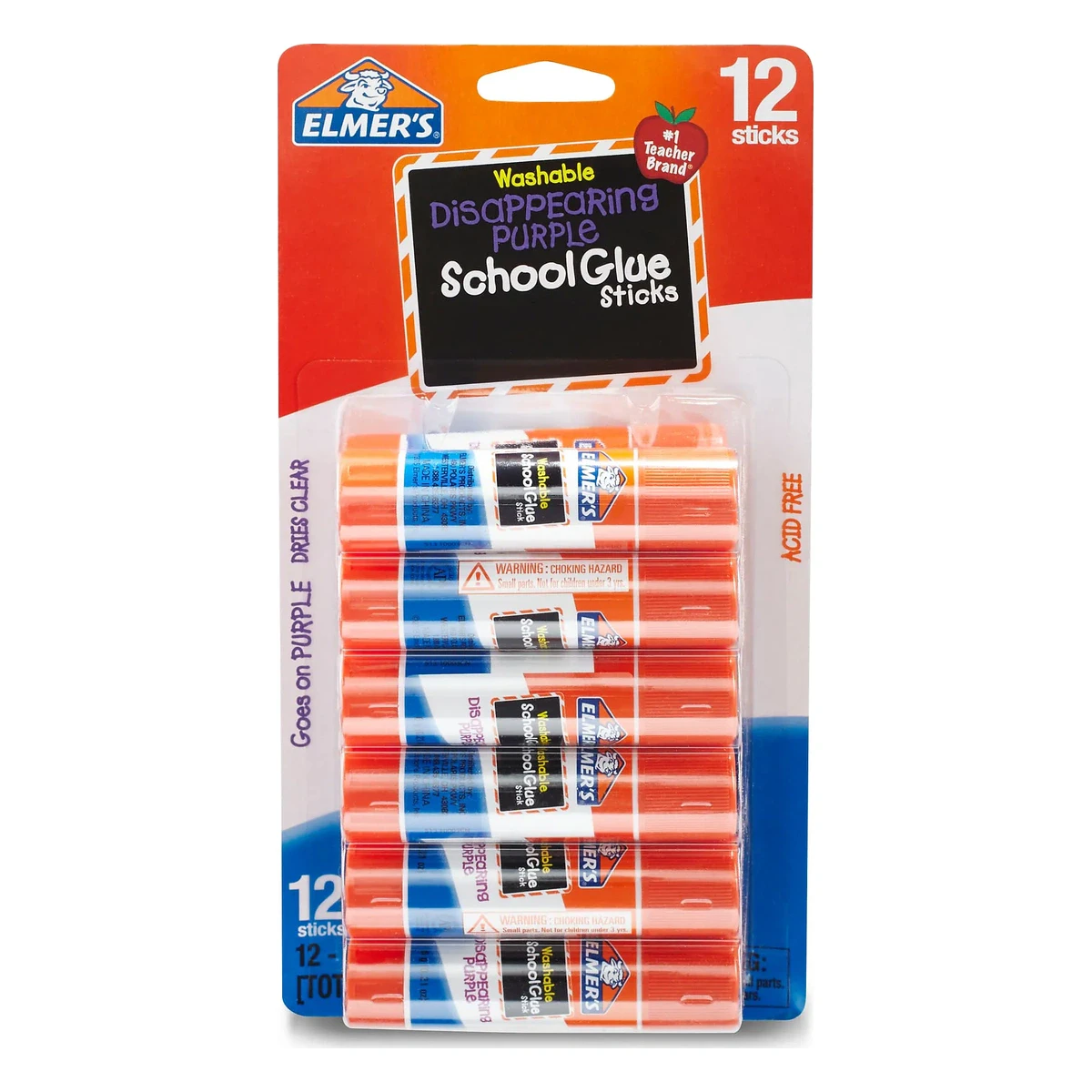
Purple-goes-clear is not a gimmick — it's the only way a five-year-old can judge how much glue they've put down, which is why teachers specify it by name. The 0.21oz sticks run out fast and the caps get lost.
Fiskars Pointed-Tip Kids Scissors, 5"
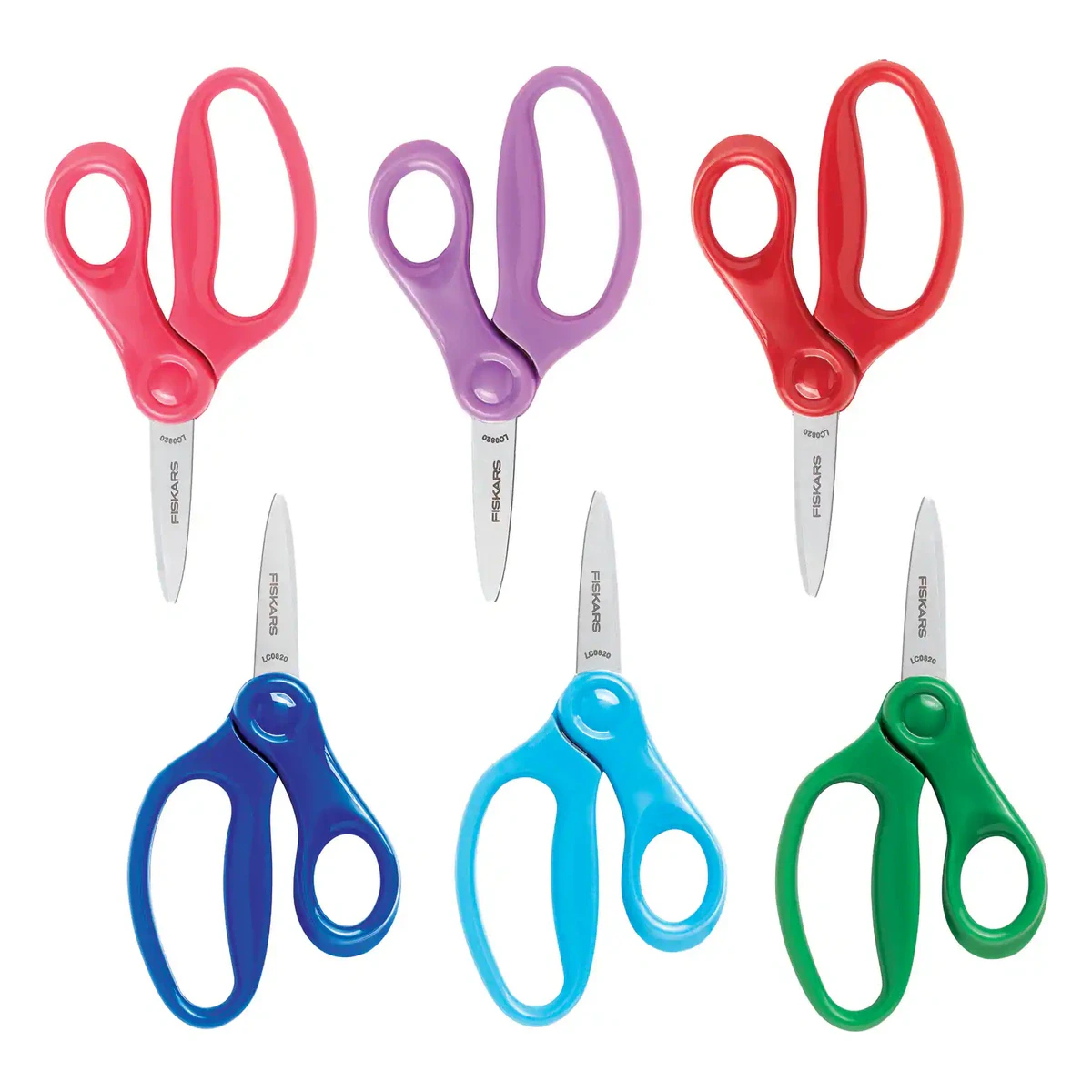
Read the list before you buy. A meaningful number of kindergarten teachers ask for pointed tips because the class cuts a lot of small pieces and blunt scissors just fold the paper. Some schools ban them outright, and they are genuinely sharper.
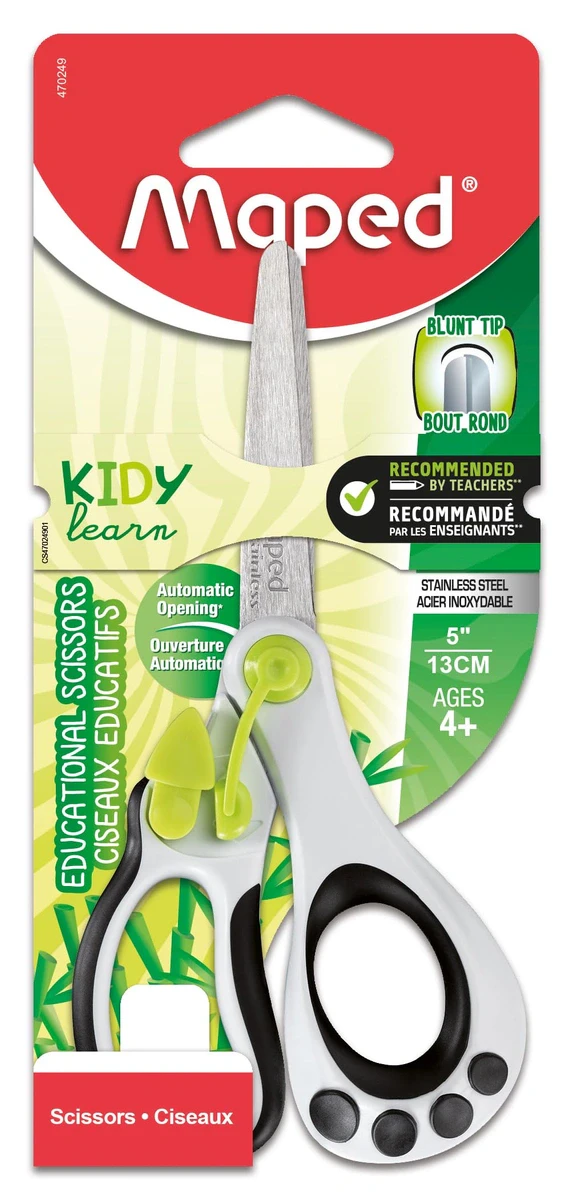
Maped Koopy Spring-Assisted Kids Scissors, 5"
Most children who "can't use scissors" close them fine and can't reopen them. The spring does exactly that job, and it locks off once they've outgrown the help. 4.7 stars over 1,947 reviews.
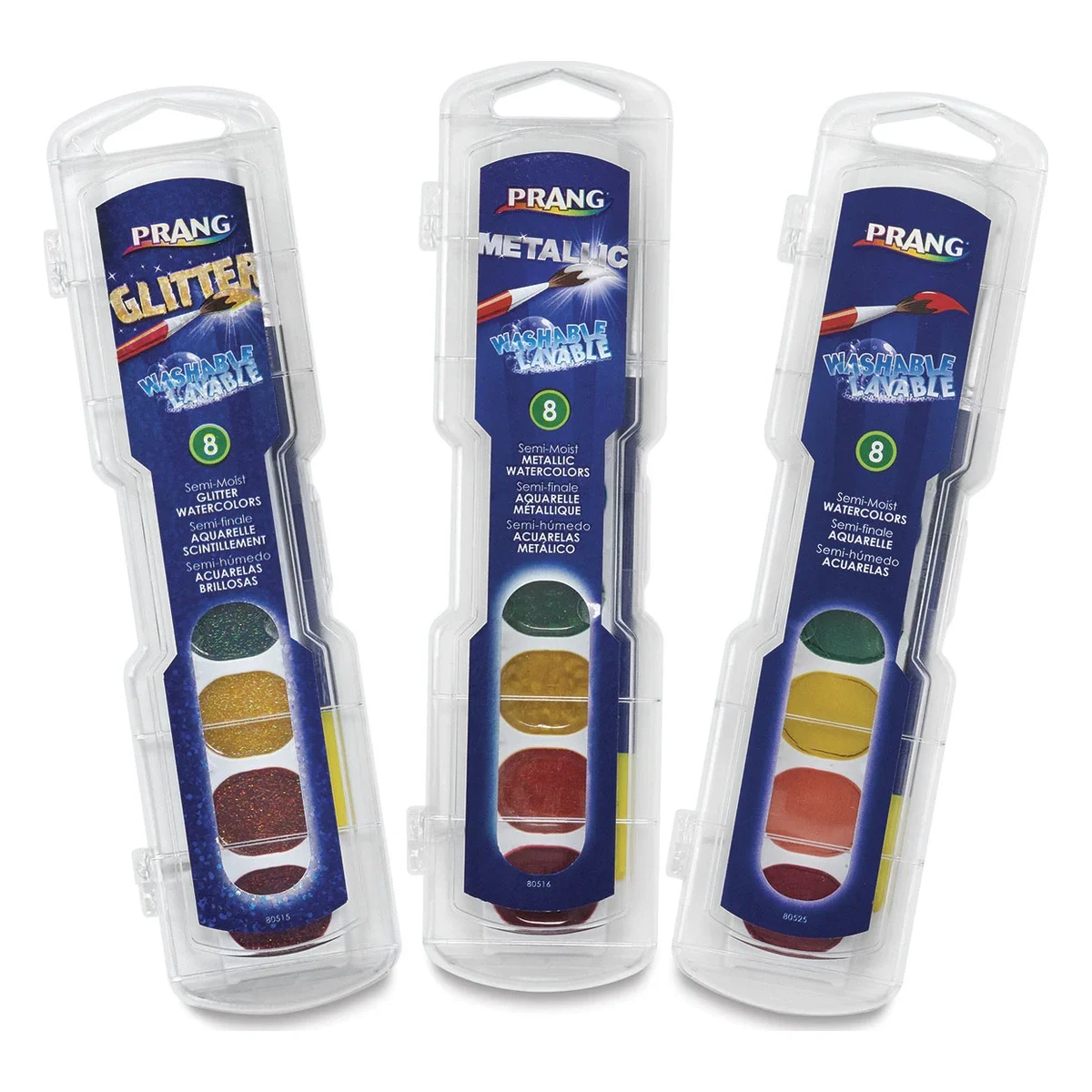
Prang Washable Watercolor Pan Sets
The cheapest real upgrade in this guide: same money as the supermarket brand, noticeably more pigment, and oval pans wide enough that a chunky kid brush actually fits. At 4.3 stars, the complaint is cracked lids.
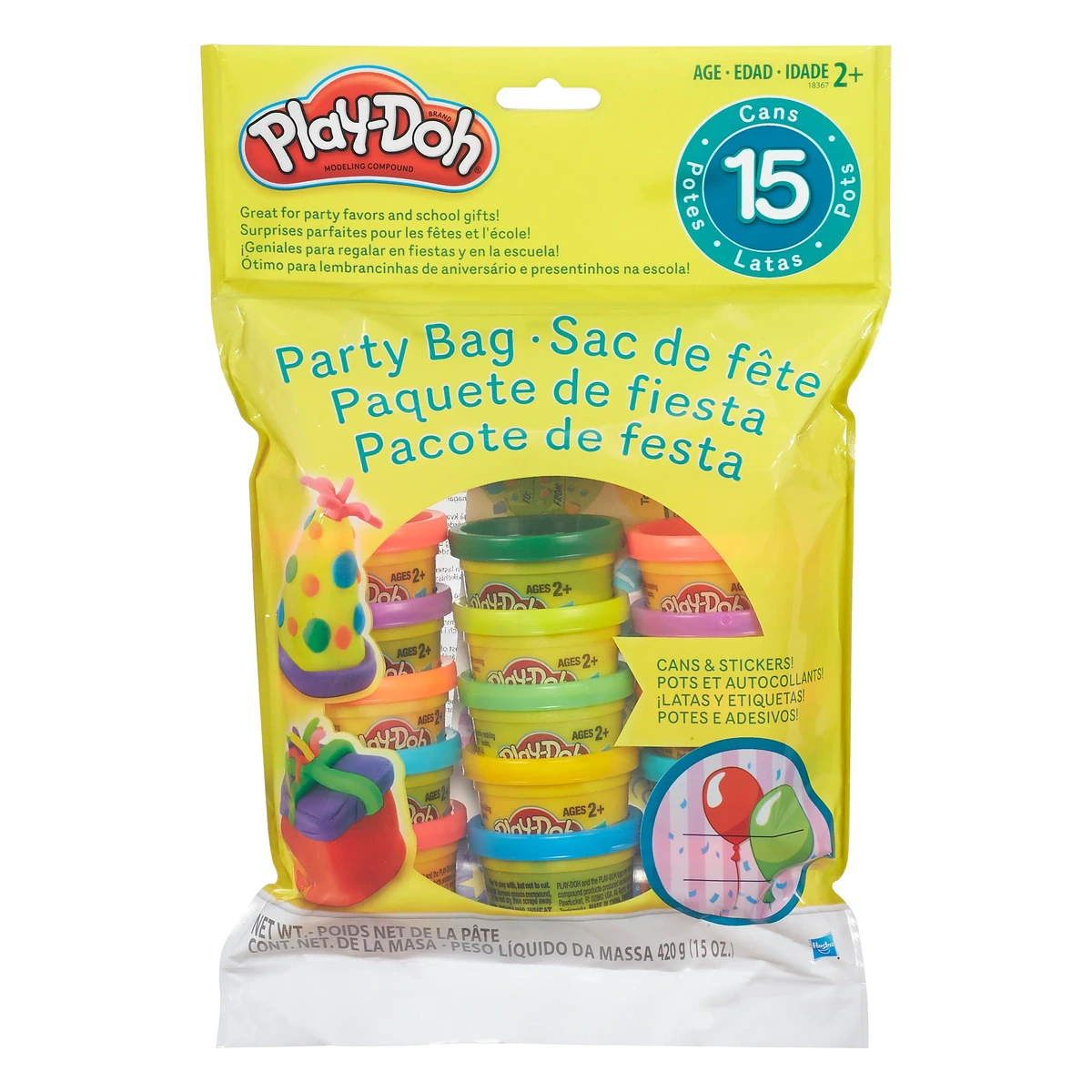
Play-Doh Party Bag
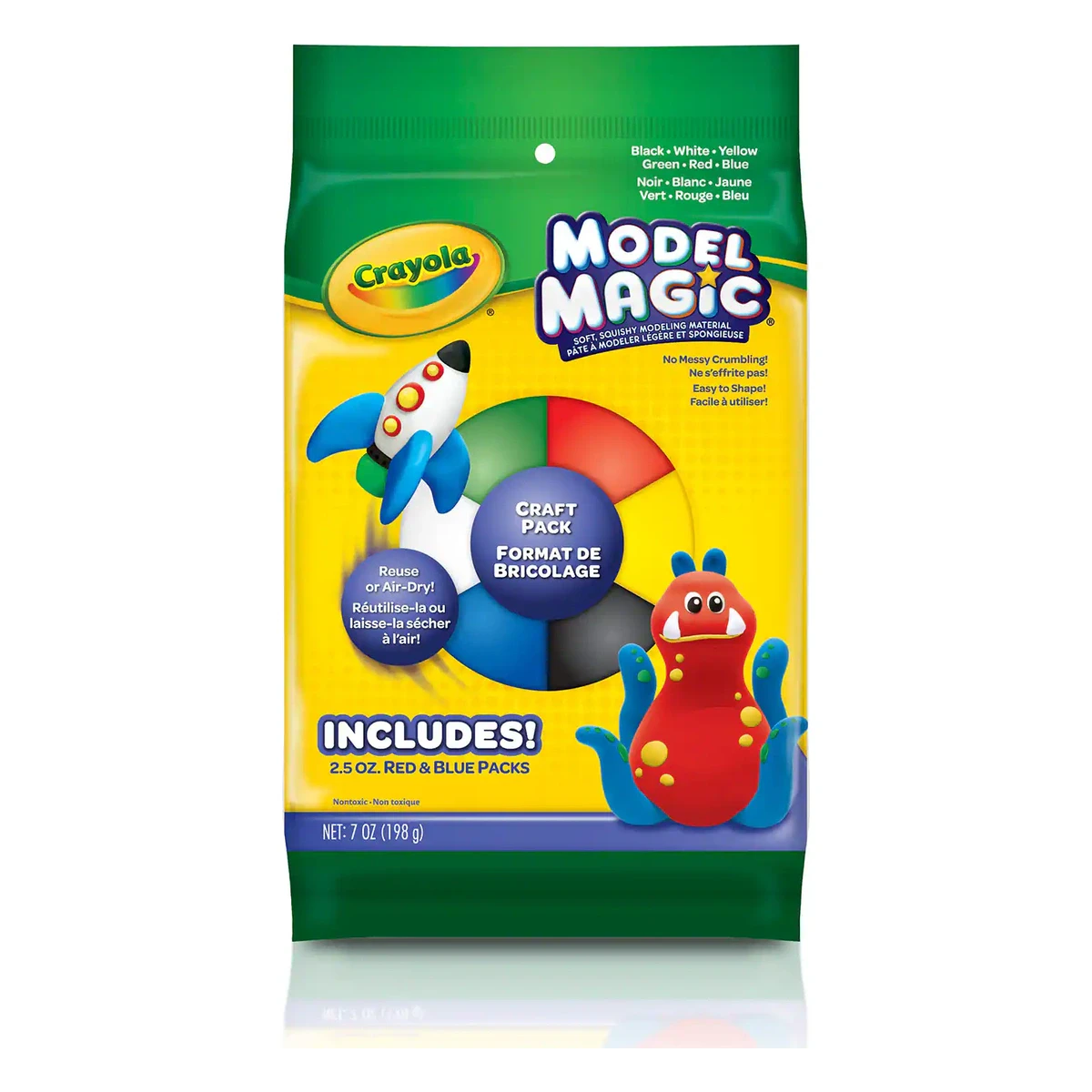
Play-Doh is on kindergarten lists as a literacy tool, not a toy — rolling letters and numerals builds the same hand muscles as writing them. The bulk bag is the format teachers ask parents to donate. Small cans dry out once opened.
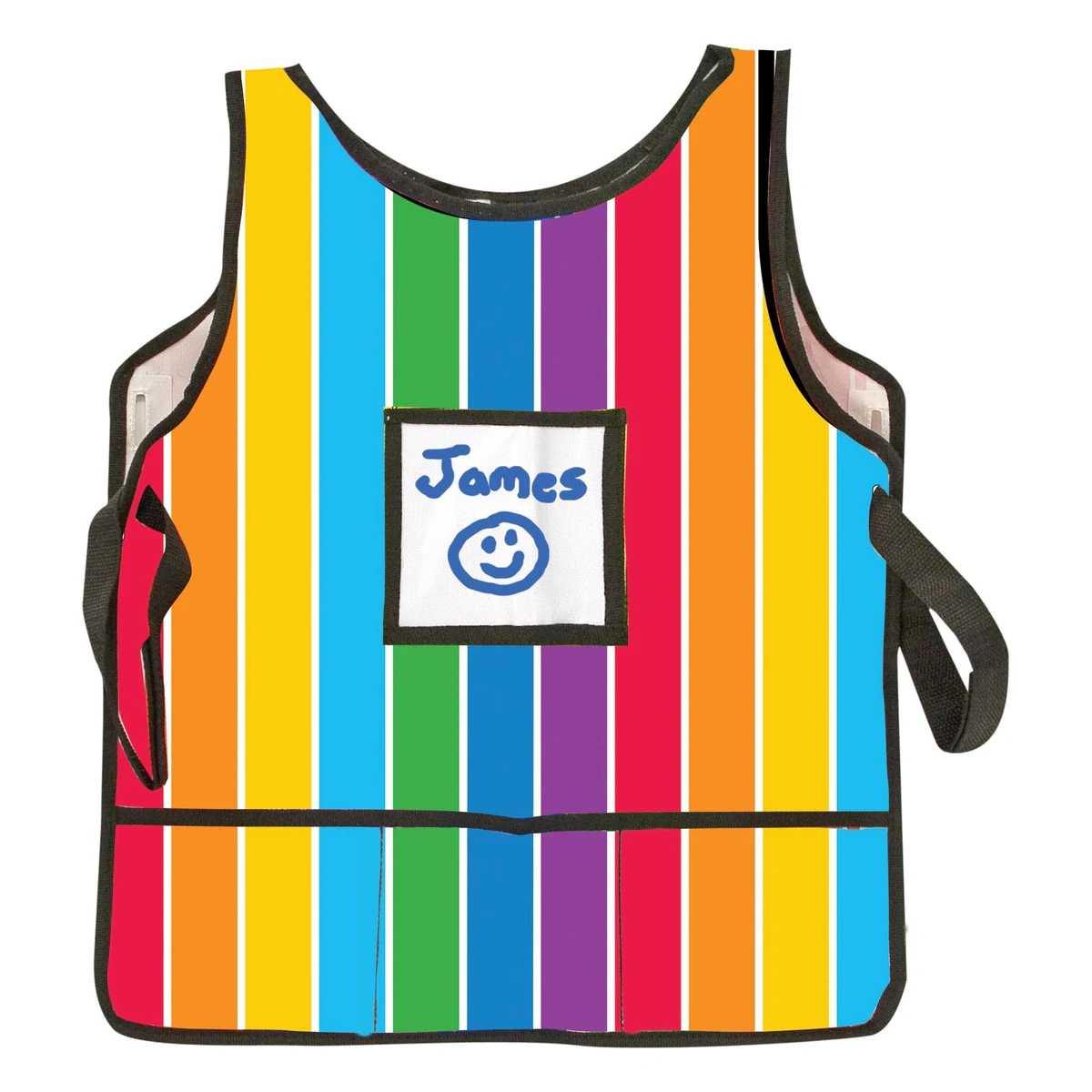
Melissa & Doug Art Essentials Artist Smock
Lists say "an old oversized shirt," but the elastic cuffs are the whole point — paint runs down forearms, not chests. It also stores flat in a cubby, which a rolled-up adult shirt doesn't. The wipe-clean surface stains eventually.
Backpack & lunch gear
This is where the money goes and where fit beats brand every time. Two questions settle almost all of it: was the pack designed around a smaller frame or shrunk down from an adult one, and can your child work every fastening — pack, box and bottle — without an adult standing over them? Check the letter for a folder requirement before you size anything down, because plenty of kindergarten lists require the backpack to hold a folder flat and that quietly rules out the smallest packs sold. If you want the full field on bottles and packs specifically, we compared them separately in our kids' water bottle guide and our kids' backpack guide.
Bentgo Kids Prints Leak-Proof Bento Lunch Box
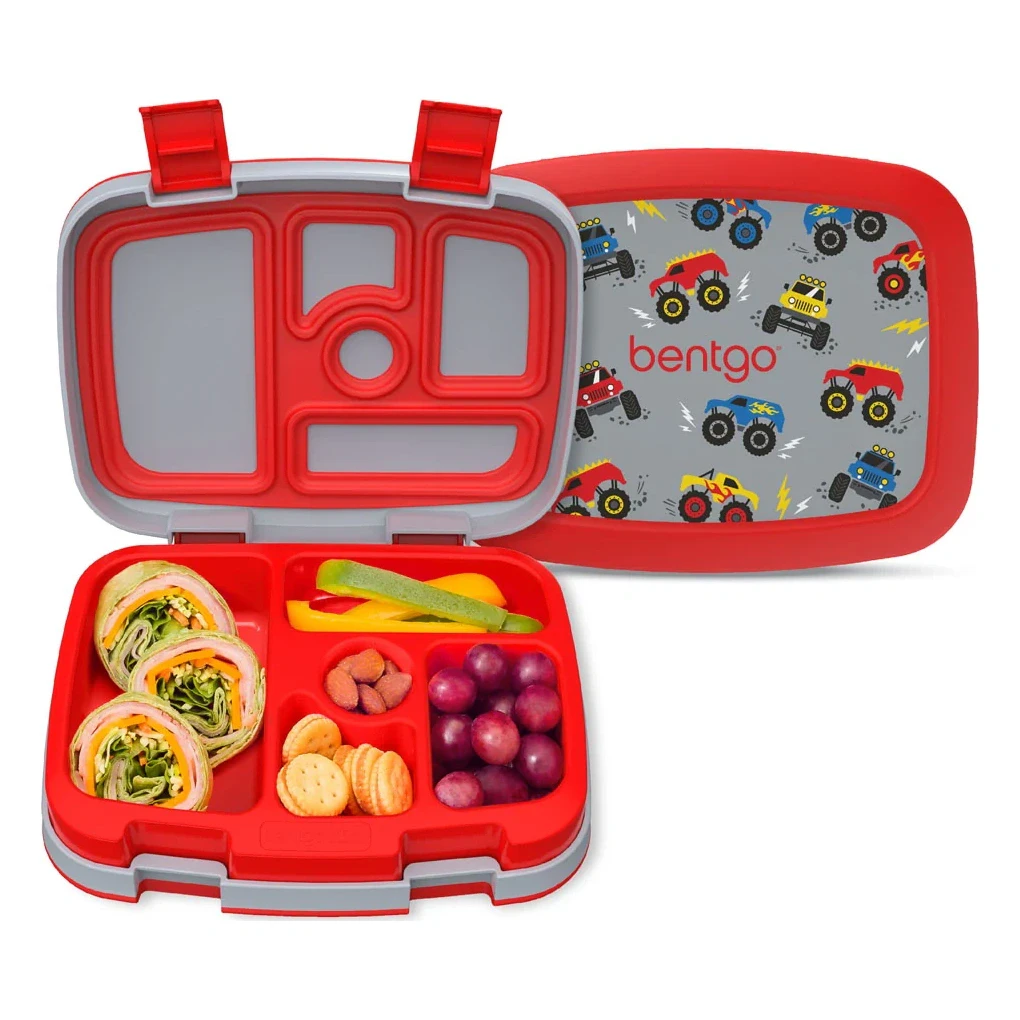
Buy the lunch box your child can open alone and treat every other feature as secondary. A five-year-old sitting in front of a sealed box for twenty minutes because the latch beat them is a more common lunchroom scene than schools like to admit, and this latch is the one kindergarteners reliably manage unassisted. Five sealed compartments keep wet fruit away from the sandwich, and it's genuinely leak-proof rather than leak-resistant. At 4.7 stars over 2,351 reviews it's the most-reviewed lunch box here. Two honest limits: hand-wash the lid if you want it to last, and the portions that suit a kindergartener will start to look small as appetites grow.
What We Love
- Five sealed compartments; genuinely leak-proof
- Latch a five-year-old can open unaided — the single most important kindergarten spec
- 4.7 stars over 2,351 reviews
Worth Noting
- Only fits so much as appetites grow
- Hand-wash the lid for longevity
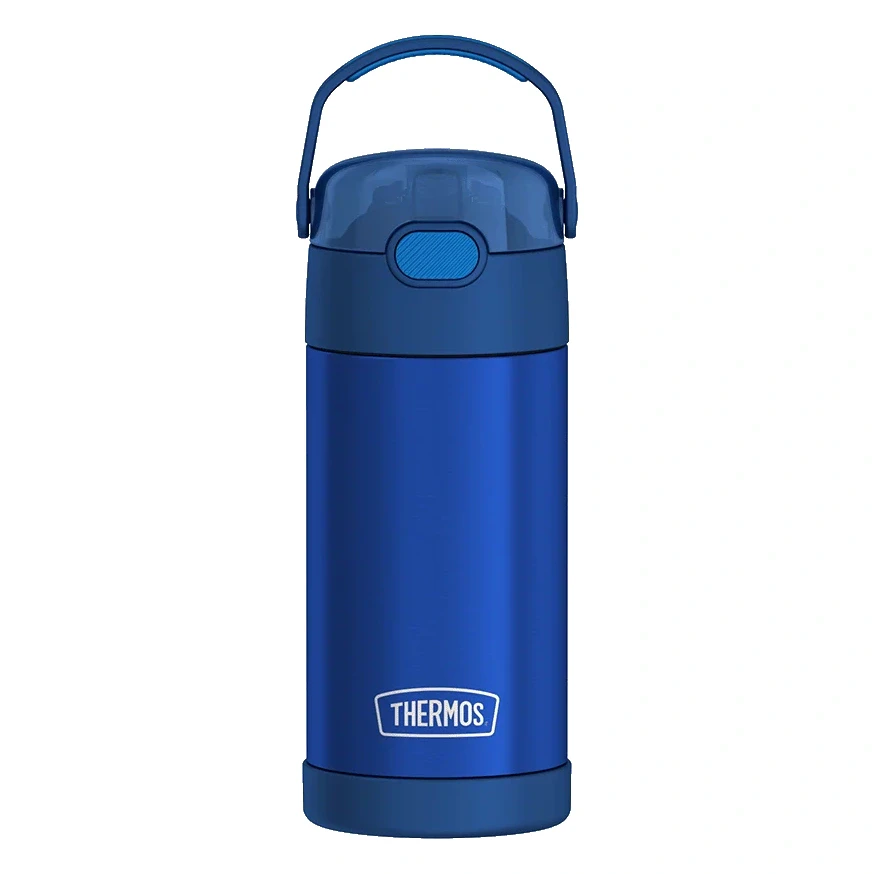
Thermos FUNtainer 12 oz Insulated Water Bottle
Insulation is the spec everyone shops on and weight is the one that actually decides it. Twelve ounces is about the limit a five-year-old can carry full across a classroom and back without dropping it, and this is the bottle that hits that size in insulated steel — water stays cold about twelve hours, the pop-up straw sits under a hygienic cover instead of riding uncovered in a cubby, and there's a carry loop for a backpack clip. It's the default kindergarten bottle and deservedly so. The straw and gasket need regular deep-cleaning or they will smell, and steel dents on concrete, which it will eventually meet.
What We Love
- 12 oz is the size a five-year-old can lift full — most kids' bottles are too heavy
- Pop-up straw with a hygienic cover, plus a carry loop
- Keeps water cold about 12 hours
Worth Noting
- Straw and gasket need regular deep cleaning
- Dents if dropped on concrete
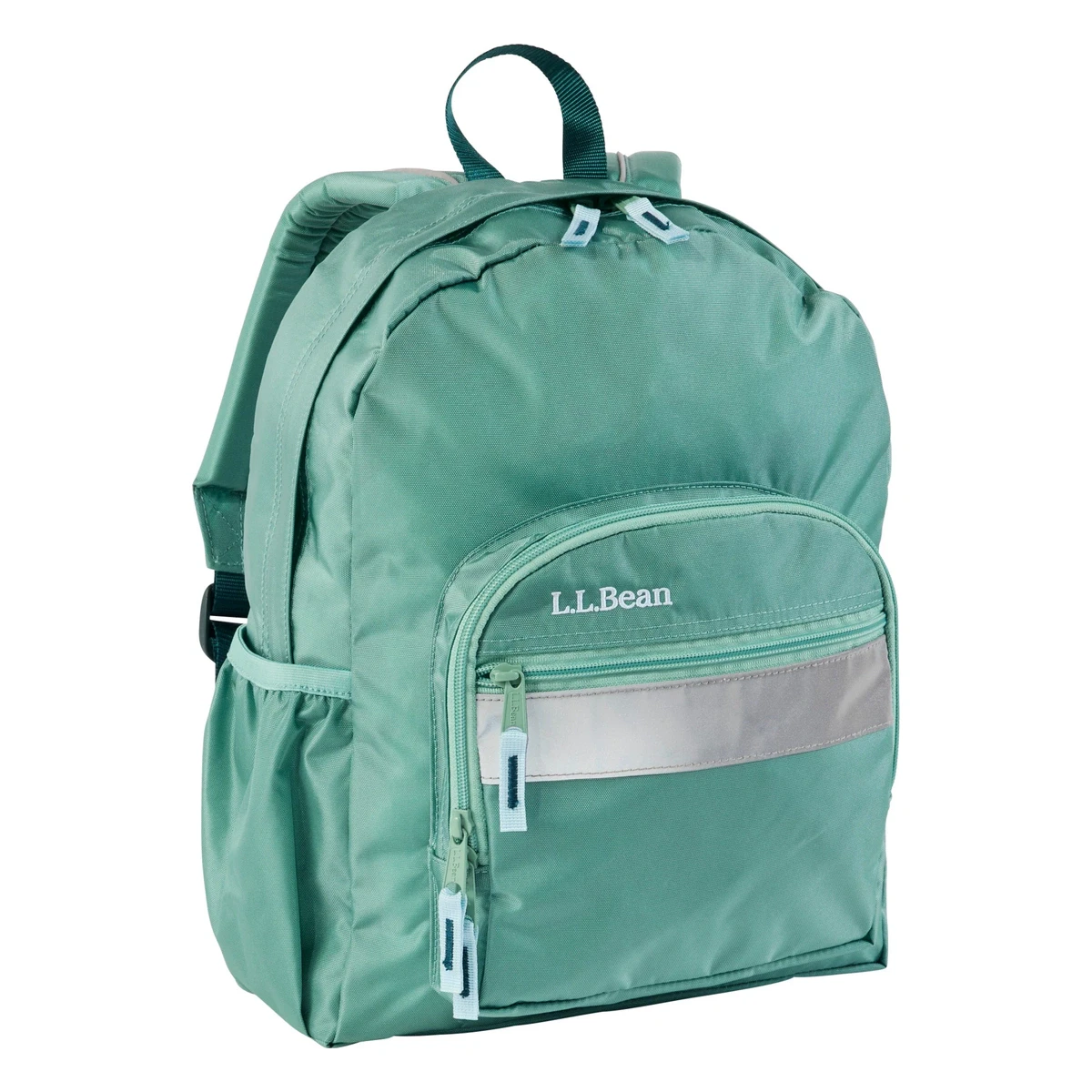
L.L.Bean Junior Original Book Pack, 17L
Most packs sold as kids' packs are adult packs scaled down. This one is built around a smaller back and shorter arms, so the fit works on a five-year-old rather than hanging past their hips. Two details earn the $39.95 beyond the build: monogramming, which is a labeling solution disguised as a decoration and the only name on a backpack that never washes off, and reflective trim, which stops being a nice-to-have at a dark November bus stop. A one-year satisfaction guarantee sits behind it, and at 4.8 stars over 1,336 reviews the durability isn't in question. At 17L it is on the large side for a genuinely small kindergartener — if that's your child, size down.
What We Love
- Built for smaller backs and arms, not shrunk from an adult pack
- 1-year satisfaction guarantee and monogramming
- 4.8 stars over 1,336 reviews
Worth Noting
- 17L is on the large side for a small five-year-old
- $39.95
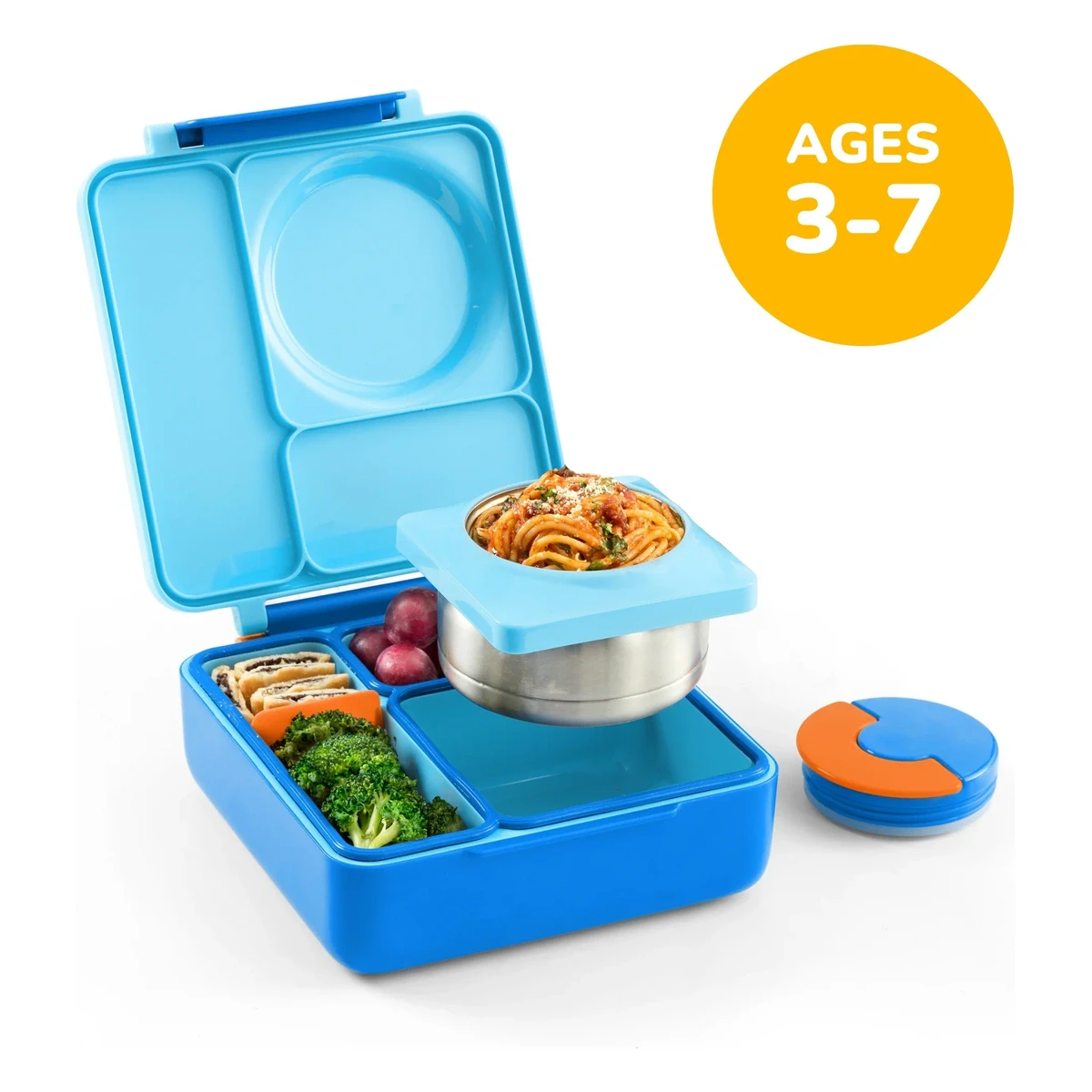
OmieBox Bento Box with Insulated Thermos
The only box here that keeps hot food hot and cold food cold in one unit, with the thermos pod nested inside instead of rolling loose in the bag. Kid-openable and dishwasher safe. It's $49.95 and bulkier than a flat bento — check it fits the backpack.
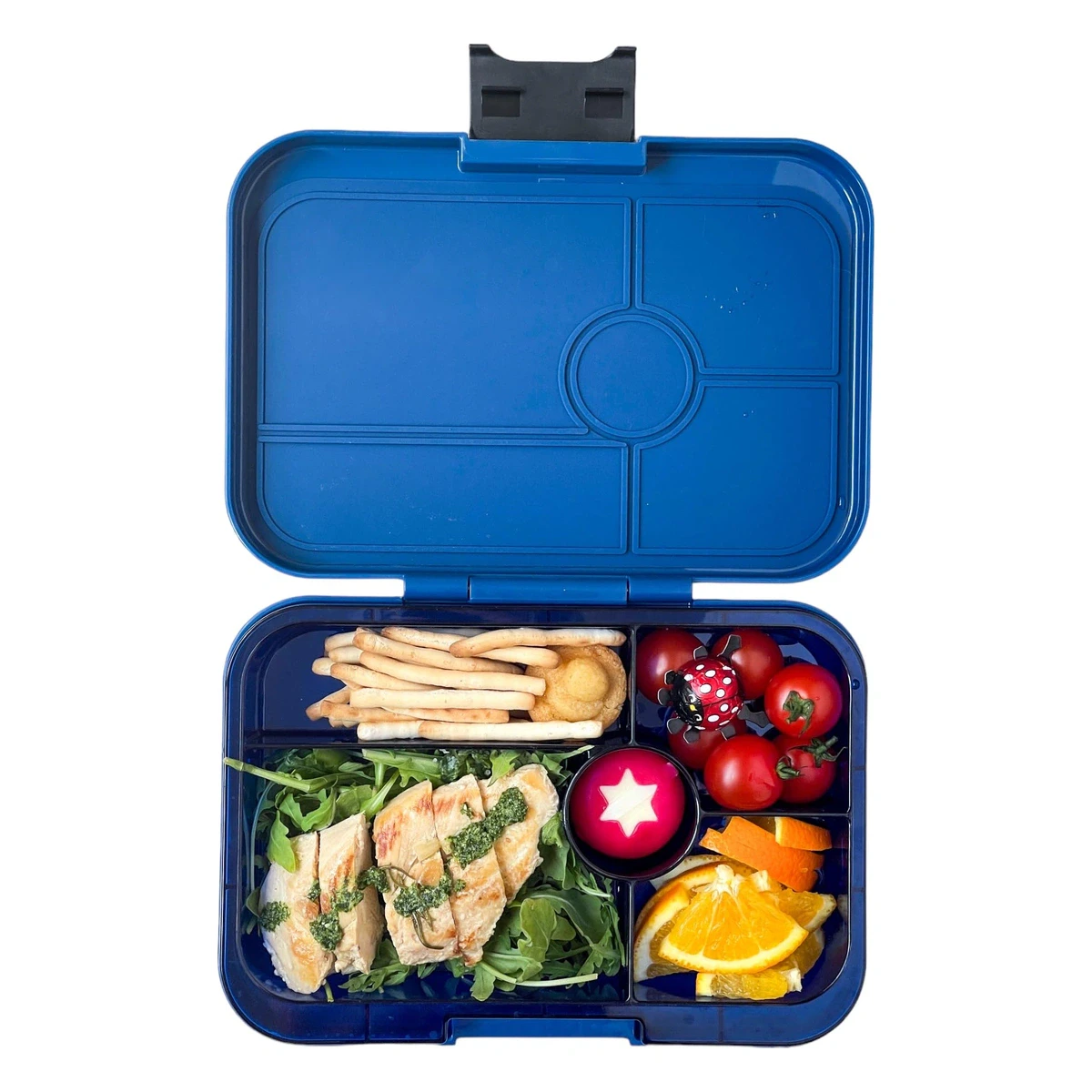
Yumbox Tapas Leakproof Bento Box, 5 Compartments
The design everyone else copied: a single silicone gasket seals every well at once, so there's nothing for a child to close wrong. Note that Tapas is the larger size — the Original is the smaller one for little kids.
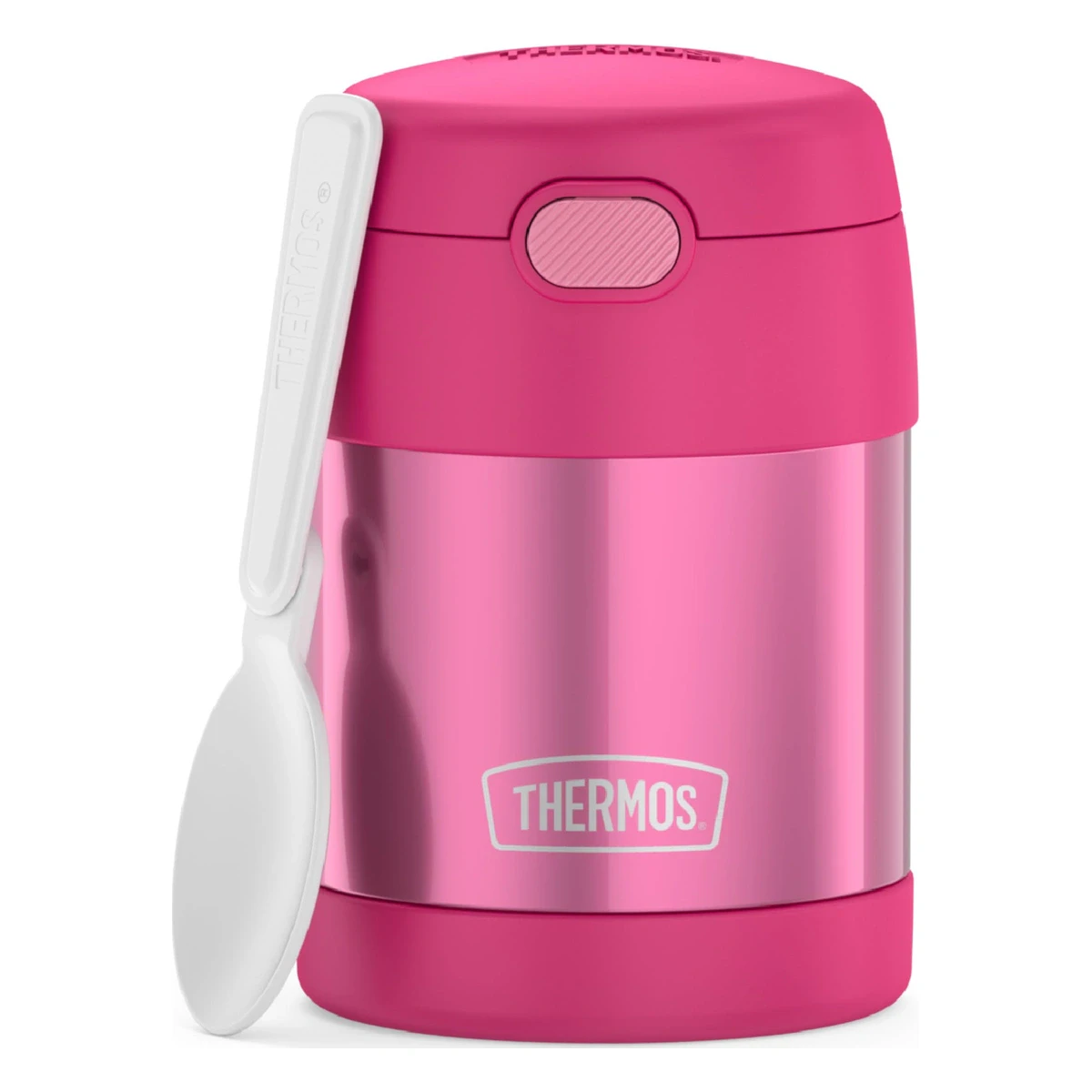
Thermos FUNtainer Kids Food Jar with Spoon, 10 oz
A real hot-lunch alternative, and the folding spoon lives in the lid so it can't be left behind. Wide enough that a small spoon and a small hand both fit, though the lid needs a firm grip. The most-reviewed product in this guide at 4.7 stars over 48,381 ratings.
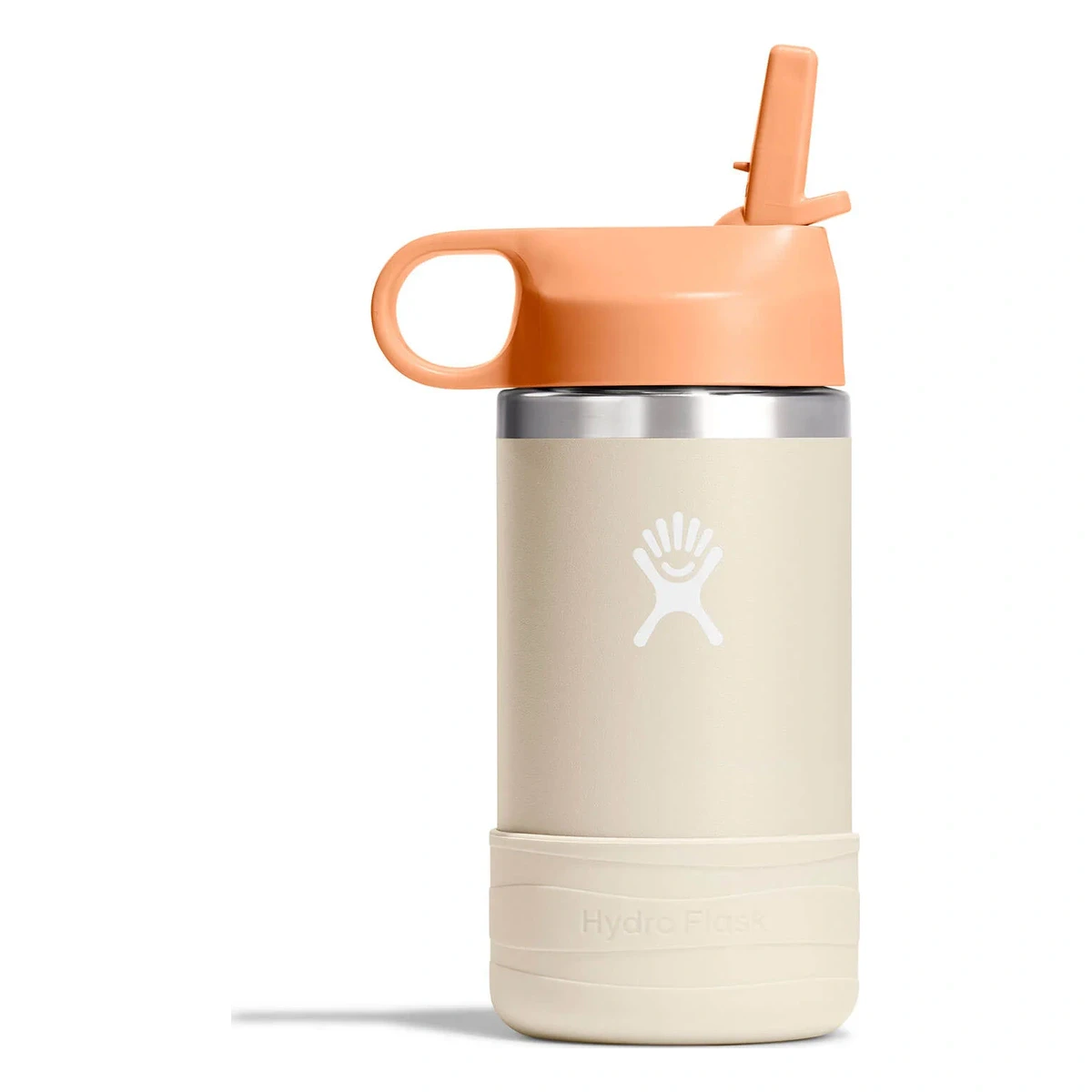
Hydro Flask Kids 12 oz Wide Mouth with Straw Cap
The buy-once option: a lifetime warranty, a protective silicone boot, a spare straw in the box and a name-writing area on the base. Heavier empty than a plastic bottle, and $29.95.
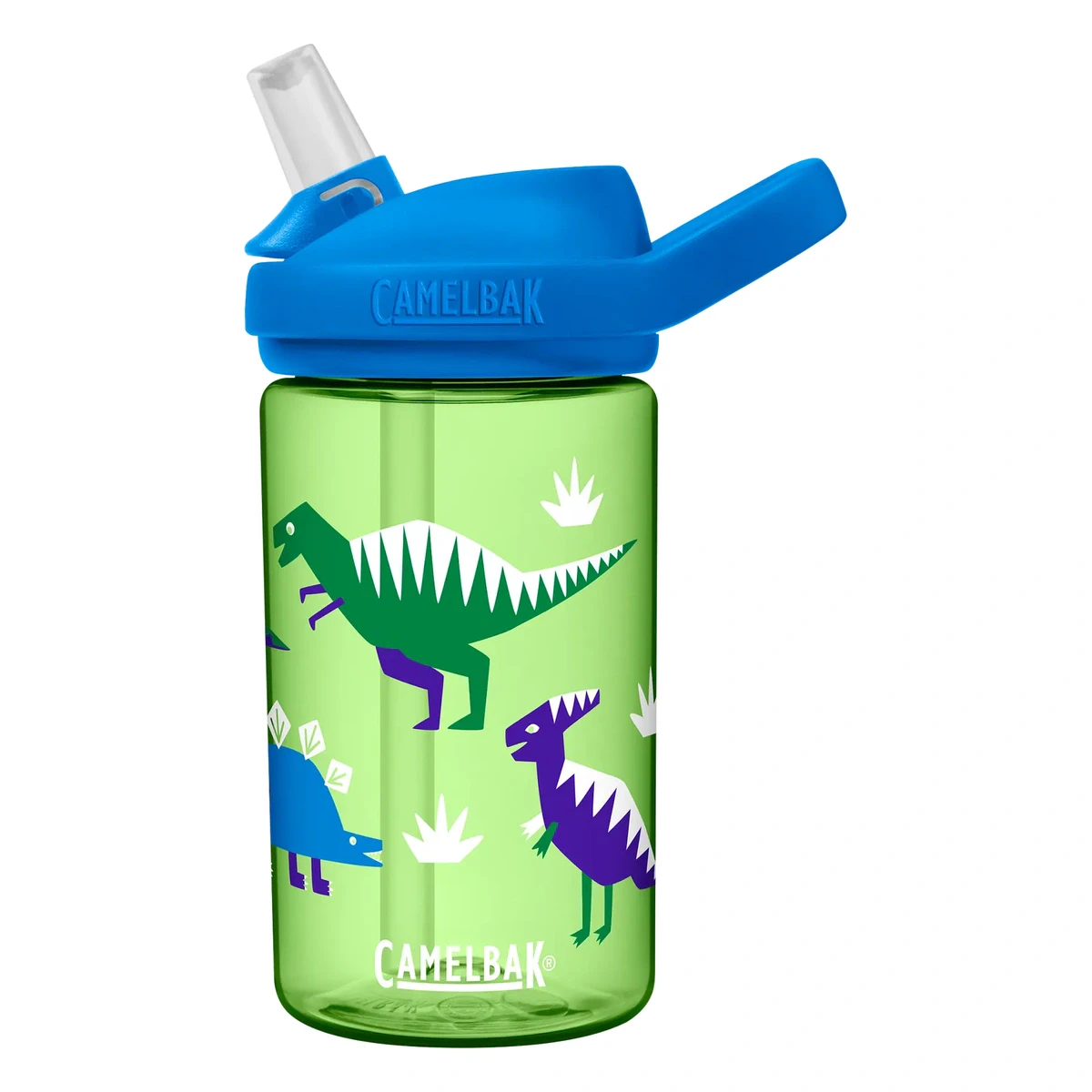
CamelBak Eddy+ Kids 14 oz Bottle
A straw lid leaks if the bottle tips; a bite valve doesn't, which is the difference between a wet folder and a dry one on a normal Tuesday. Valves are replaceable and it's dishwasher safe — some kids chew straight through them.
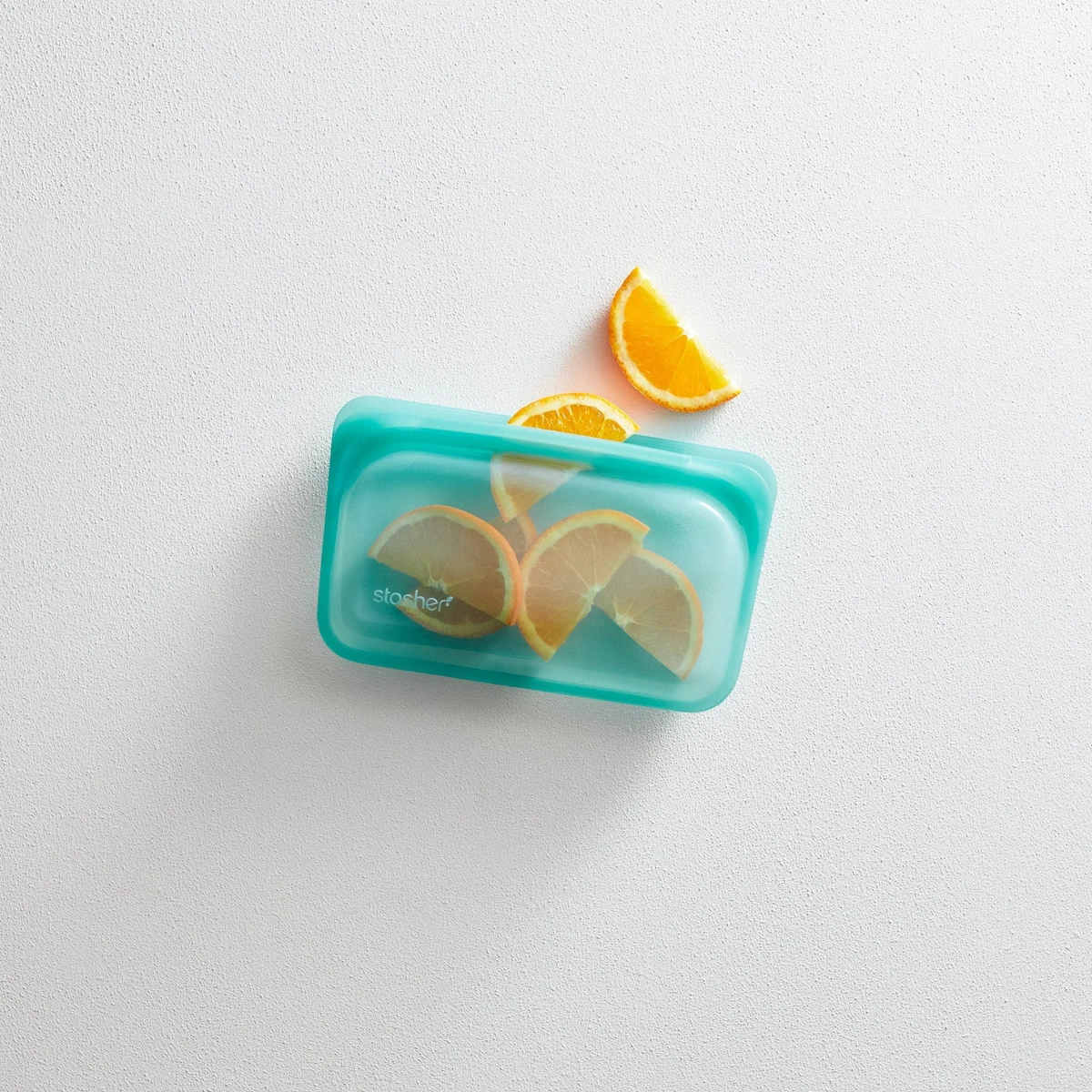
Stasher Reusable Silicone Snack Bag
The daily snack bag is a 180-day-a-year disposable. This one has a pinch-lock seal a kindergartener can actually work, which is why it gets used instead of abandoned. $8.79 for one bag, and silicone holds onto strong smells.
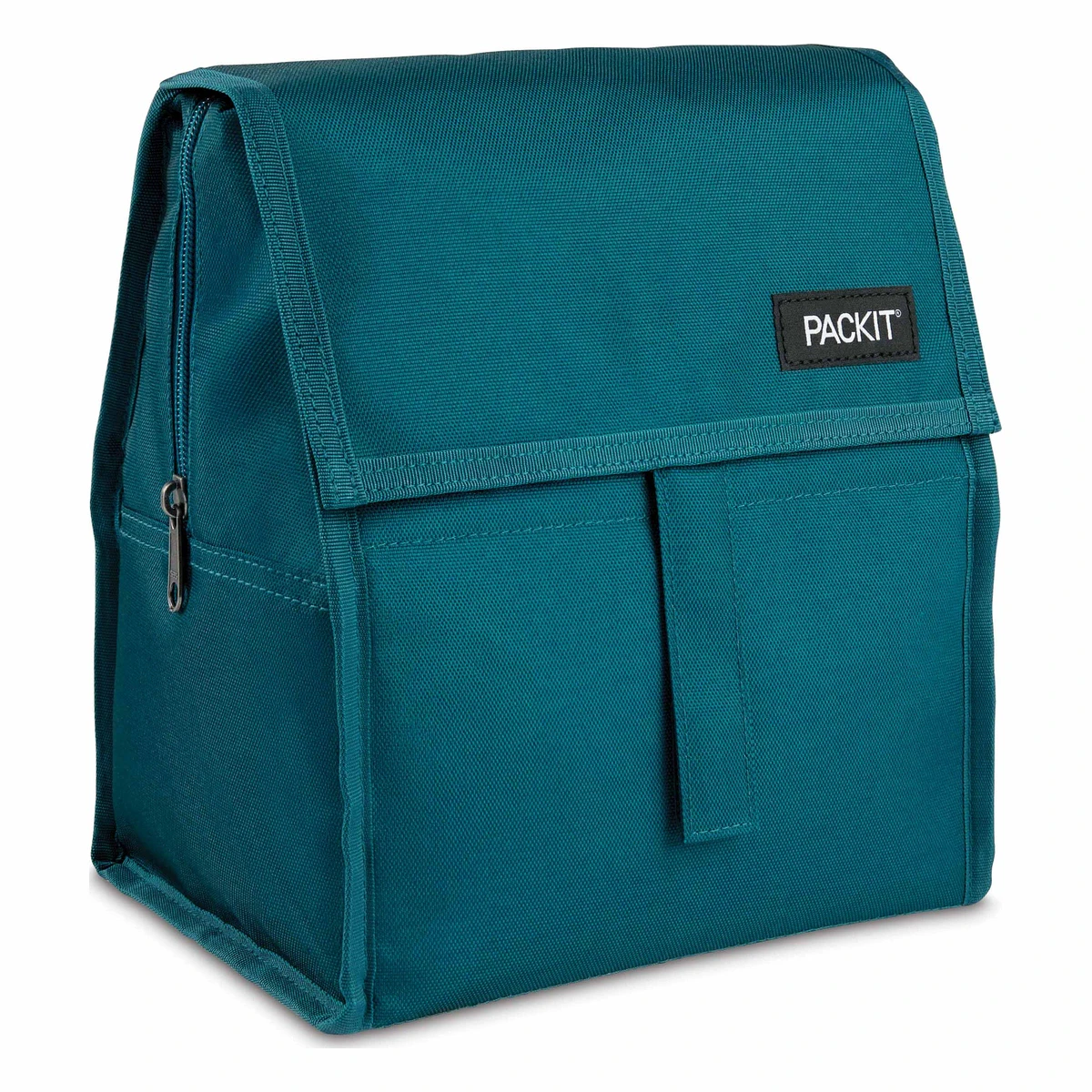
PackIt Freezable Lunch Bag
Every separate ice pack is in the classroom lost-and-found by week three. Here the cooling gel is built into the walls — fold the whole bag into the freezer overnight and it zips flat when empty. It takes up real freezer space.
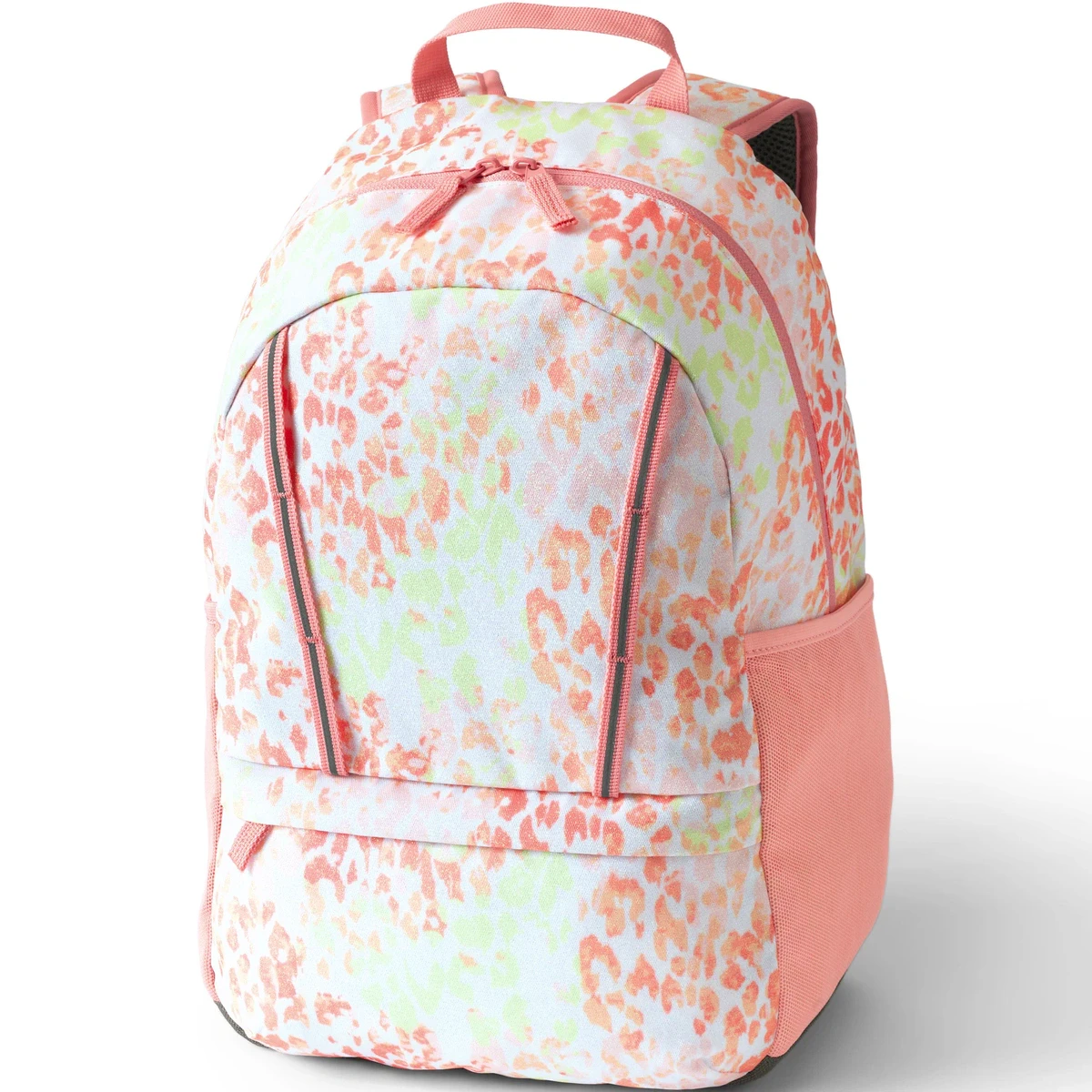
Lands' End Kids ClassMate Small Backpack
Genuinely small, which almost nothing marketed as a kids' pack is, plus a lifetime guarantee and cheap monogramming for $22.47. The trade-off is capacity — it won't hold a lunch box and a folder both, so settle the folder rule above before you commit. The fabric is water-repellent, not waterproof.
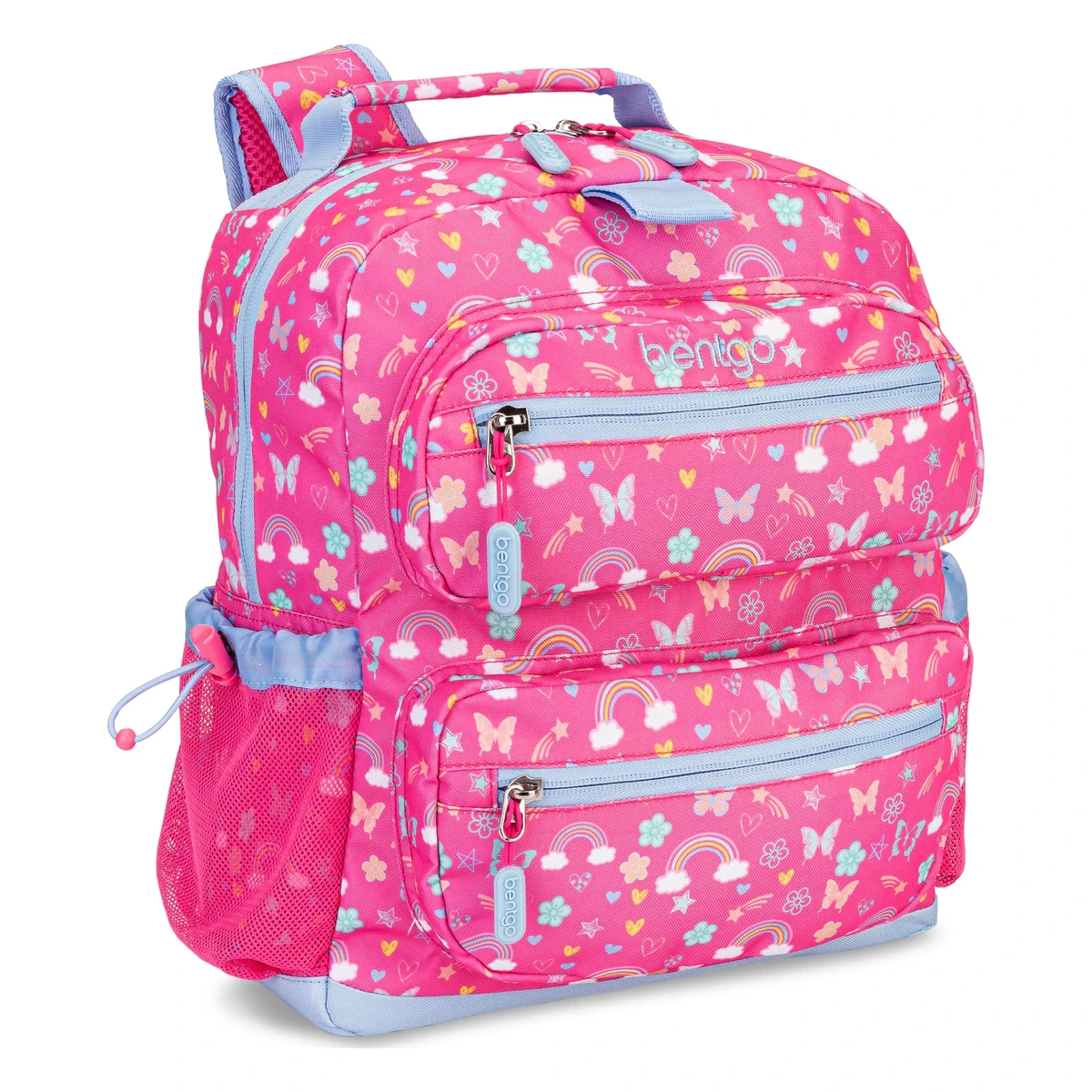
Bentgo Kids Prints Backpack
The cheapest fix for "does the lunch box fit," because it's built around their own box, and the chest clip stops the straps sliding off narrow shoulders. It's a newer product with a thin review history.
Rest, comfort & spare clothes
Full-day kindergarten usually means a rest period and always means a spare set of clothes in the cubby. On a mat, look at how it stores rather than how it looks — a whole class of them has to get onto a shelf and off it again every day, and the children do that part themselves. For spare clothes, buy pull-on. Buttons and zippers are the reason accidents happen in September, not bladder capacity.
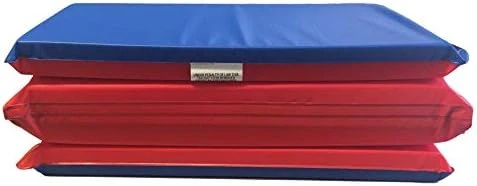
KinderMat 1.5" 4-Section Rest Mat
The deciding feature on a rest mat is the fold, and it's the one nobody shops on. A five-year-old cannot re-roll a rolled mat, so it ends up abandoned in a heap on the classroom floor every single day — the four-section accordion fold is why classrooms standardized on this shape. The vinyl wipes clean and it stores flat in a cubby, and at 4.6 stars over 3,660 reviews it's one of the highest-confidence picks in this guide. Expect two things: bare vinyl is cold, so most families send a sheet or towel to go over it, and it is genuinely bulky to carry home on a Friday.
What We Love
- Accordion-folds — a five-year-old cannot re-roll a rolled mat, which is why classrooms standardised on this
- Wipe-clean vinyl and stores flat in a cubby
- 4.6 stars over 3,660 reviews
Worth Noting
- Vinyl is cold without a sheet over it
- Bulky to carry home on a Friday
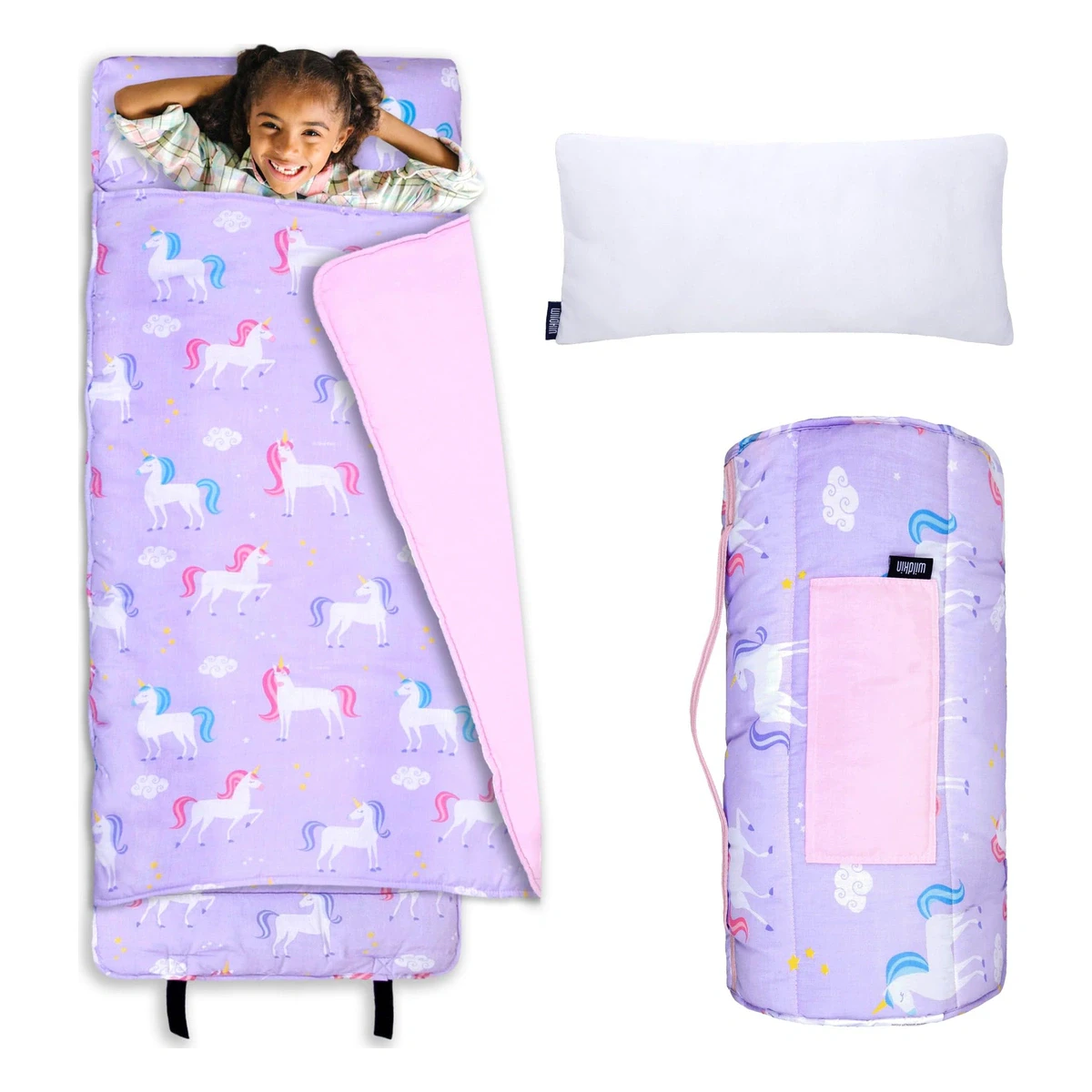
Wildkin Kids Original Nap Mat with Pillow and Blanket
Everything is attached, and that's the feature — a separate pillow and blanket are two more things a kindergartener can lose, and they will. The whole thing goes in the washer. Bulkier than a plain mat, so check the cubby first.
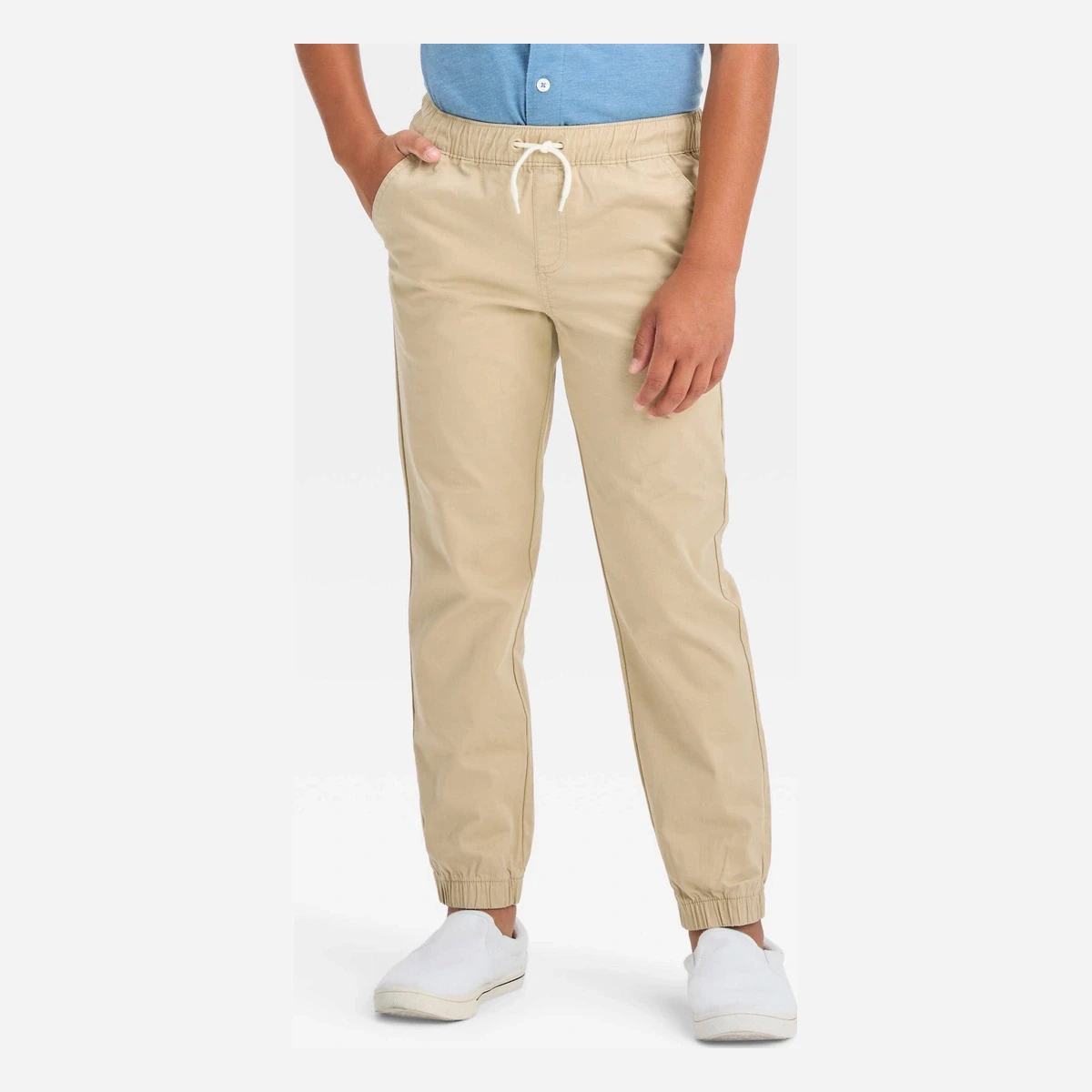
Cat & Jack Boys' Stretch Woven Jogger Pull-On Pants
Every kindergarten list wants a spare set of clothes in the cubby, and pull-on solves a bathroom problem at the same time — buttons and zippers are why accidents happen in September. $10.40, with Target's 1-year kids' clothing guarantee. The fit runs generous at the waist.
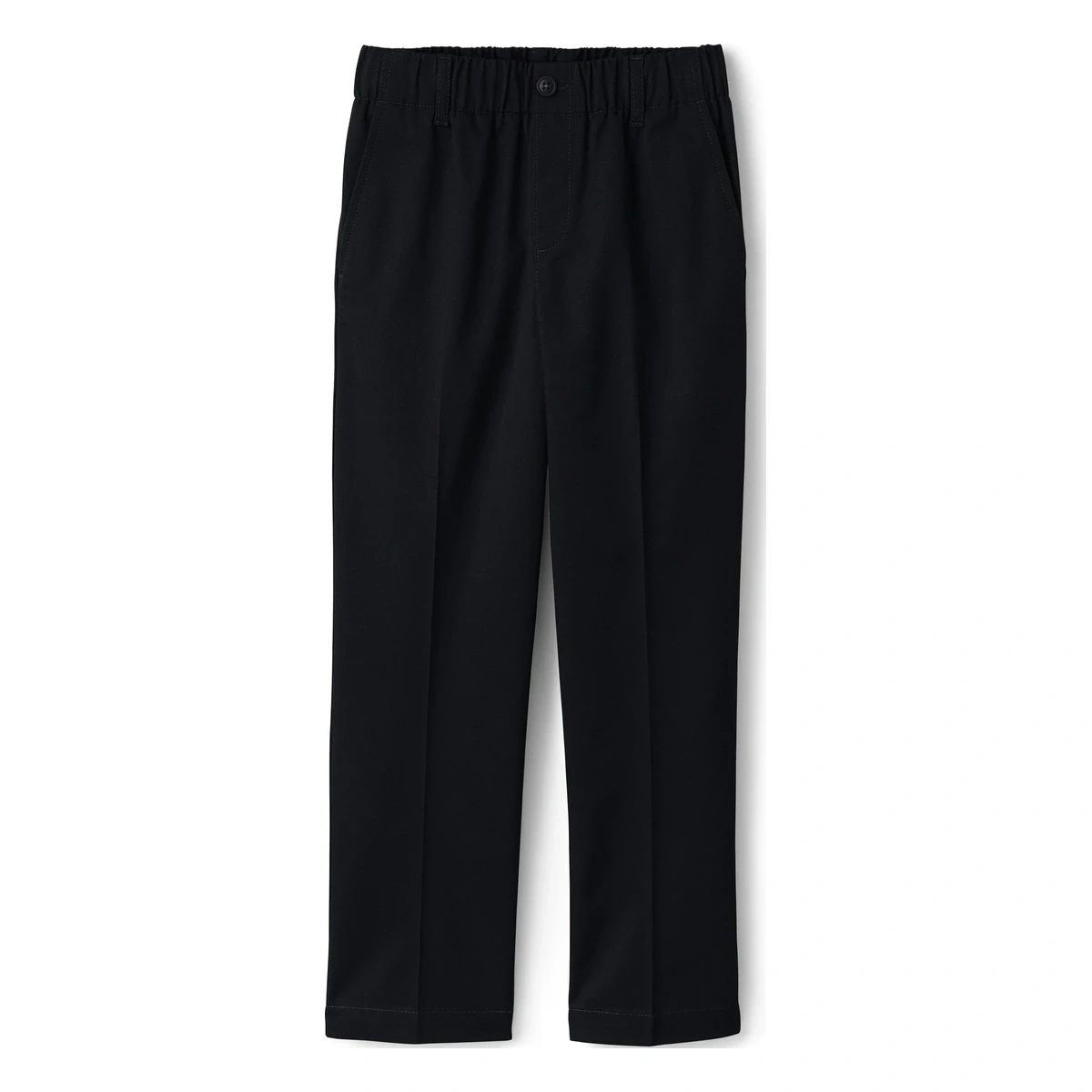
Lands' End School Uniform Boys Elastic Waist Pull-On Chino Pants
A rare combination: a chino that passes a uniform dress code and that a five-year-old can manage alone in a stall. At 3.7 stars sizing complaints are common, so read them before ordering, and it's $27.96 against $10 at a big box.
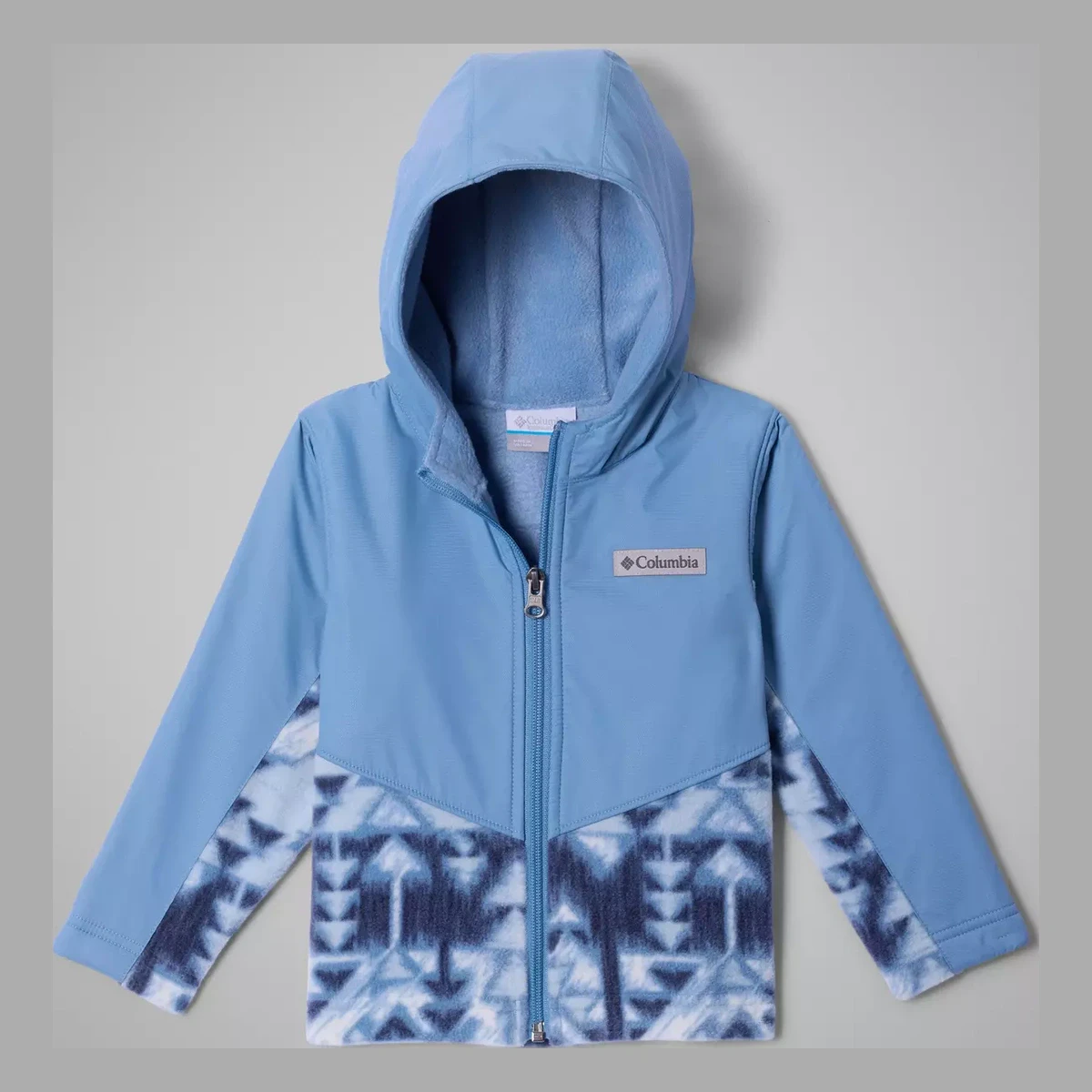
Columbia Toddler Steens Mt II Overlay Hooded Fleece Jacket
Recess happens in weather, and fleece is the layer they can put on themselves — a coat with a zip they can't start is a coat that stays in the cubby. No waterproofing, and fleece pills and picks up velcro.
Headphones & classroom tech
Read the letter for the word "wired" before you buy anything here, because the wireless pair is usually the one on the shelf and usually the one that gets sent home again. The second thing to check is a volume limit, which is the one spec a five-year-old cannot self-regulate and the one an adult pair will not have. Assume one pair gets lost or broken during the year and price accordingly.
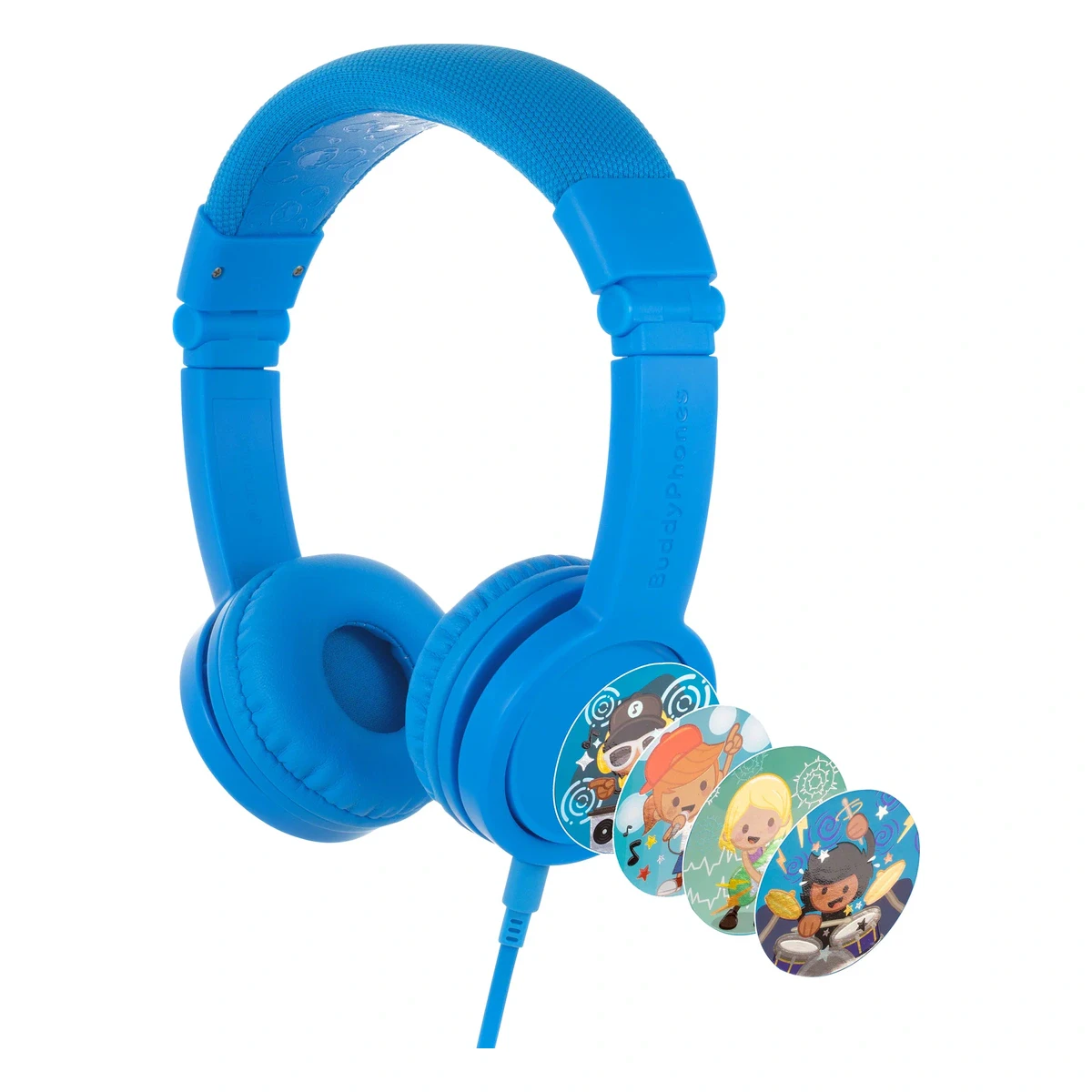
Onanoff BuddyPhones Explore+ (Wired)
Check your supply list for the word "wired" before you buy anything, because a large share of kids' headphones on sale are Bluetooth and most kindergarten classrooms ban them outright. These are wired with a detachable cable, capped at a certified 85dB, and sized for ages three to ten rather than shrunk from an adult pair. There's an inline mic for the classroom apps that need one, and a splitter so two children can share a device at a center. They were built to survive abuse testing, and they'll need to. The foldable hinge is the first thing to break, and $29.99 stings on an item schools lose with some regularity.
What We Love
- Wired only — most kindergarten classrooms ban Bluetooth outright
- Certified 85dB volume limit, plus an inline mic and a sharing splitter
- Survived abuse testing; sized for ages 3-10
Worth Noting
- $29.99 for something schools routinely lose
- Foldable hinge is the first thing to break
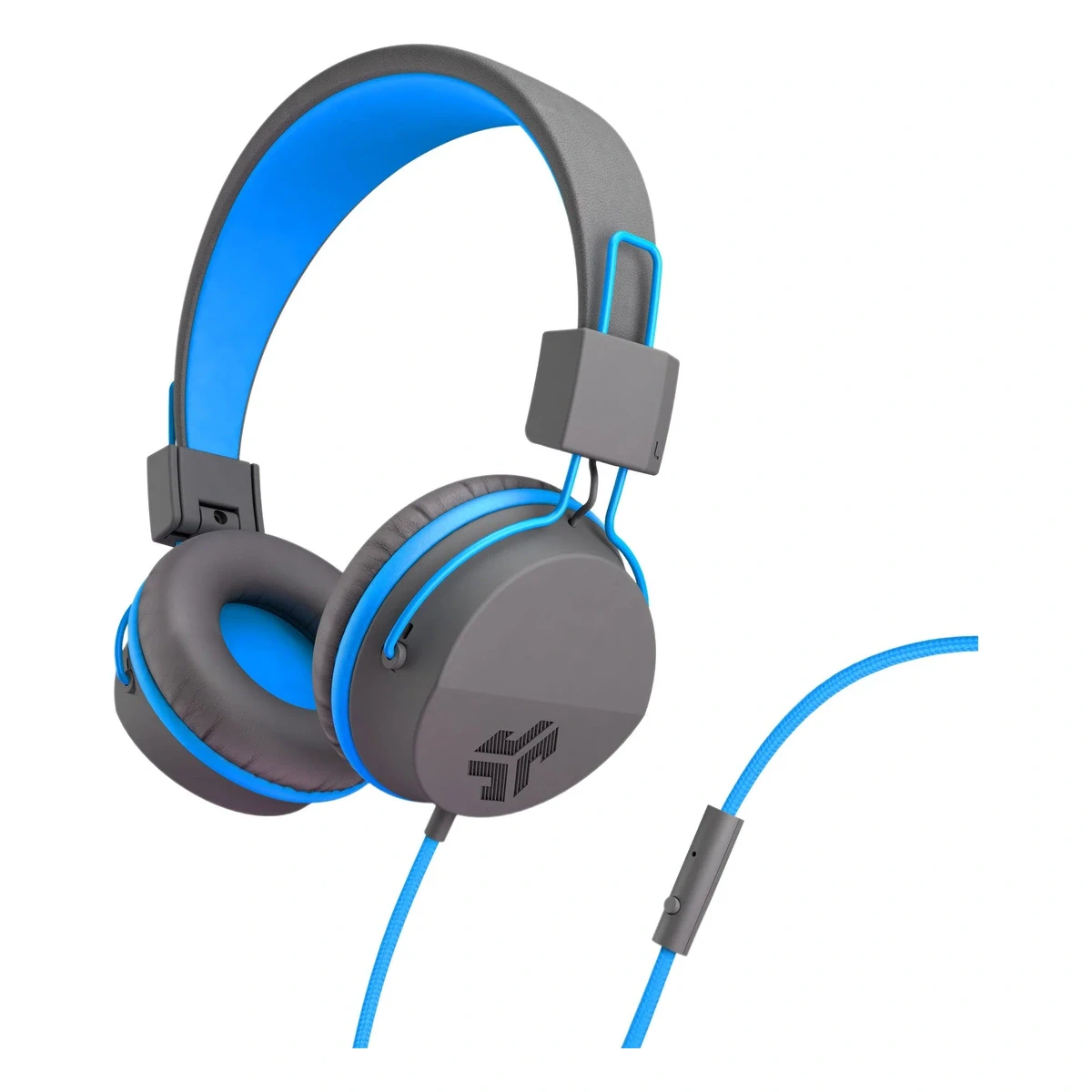
JLab JBuddies Studio On-Ear Kids Wired Headphones
The buy-two-and-expect-to-lose-one option that isn't junk: an 85dB limiter, a built-in mic, and a metal-slider adjustment that's the reason these survive where $12 headphones snap at the headband in November. On-ear rather than over-ear, so less comfortable for long sessions.
Classroom donation supplies
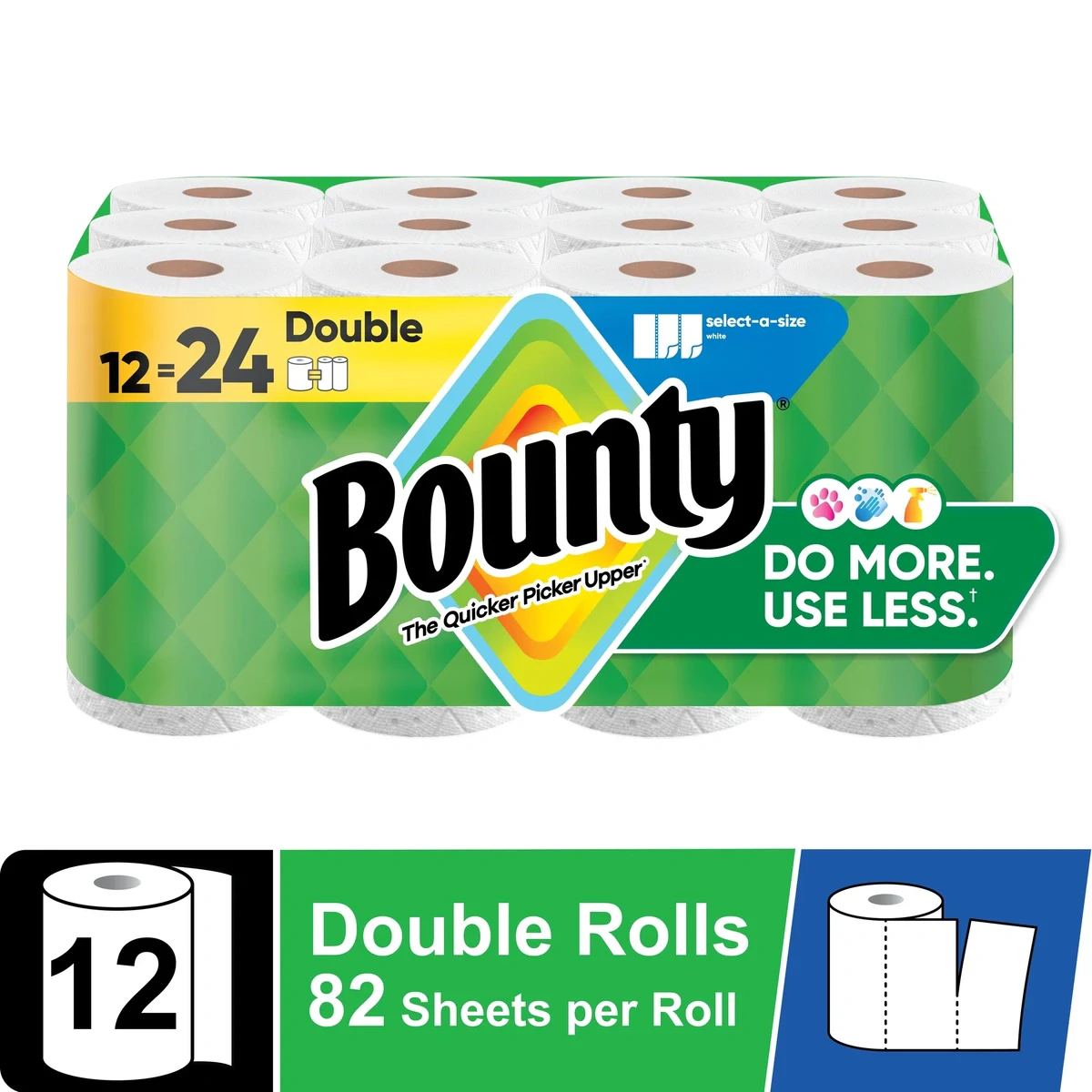
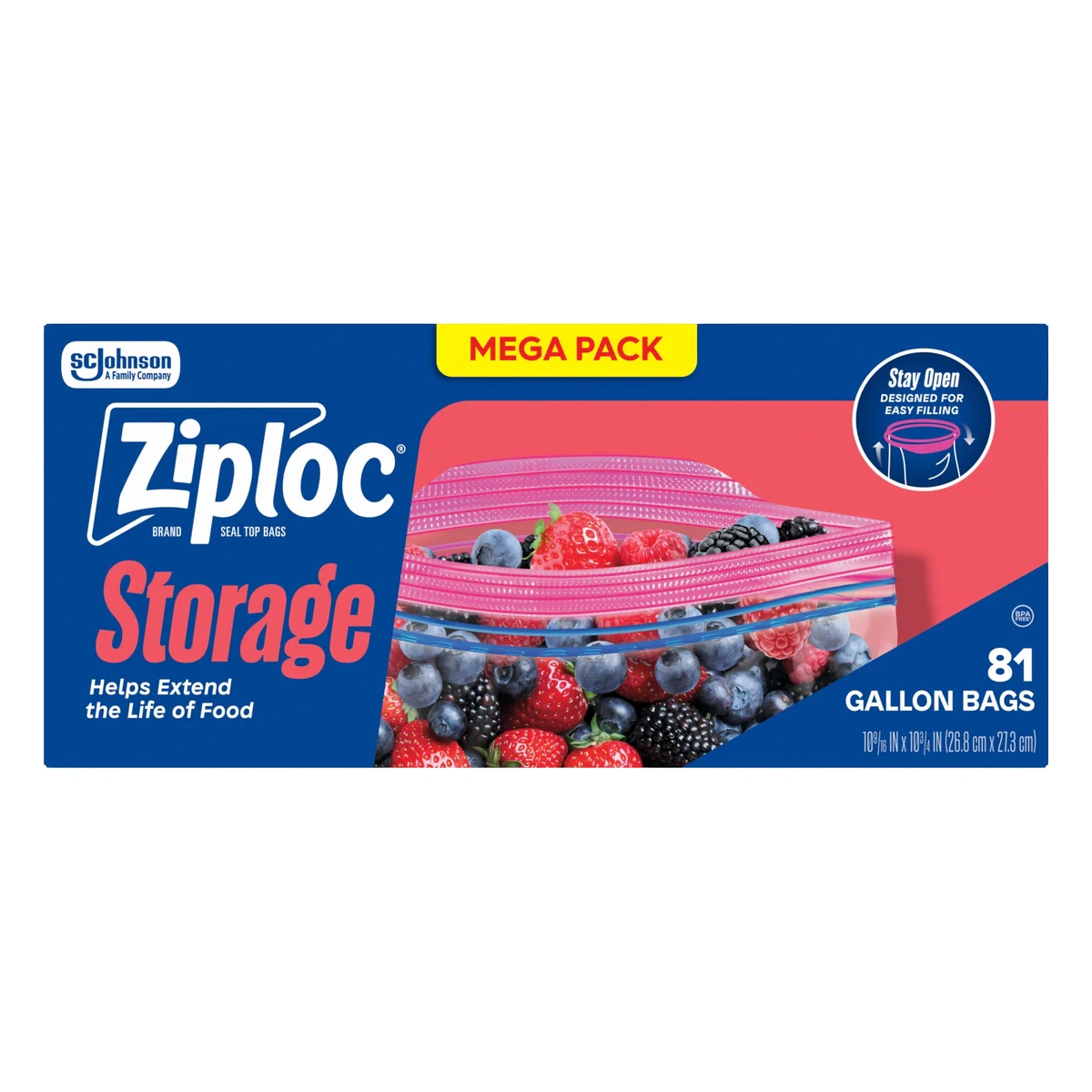
Most kindergarten letters contain two lists: what your child keeps, and what goes into the shared classroom bin. Tissues, disinfecting wipes, baby wipes, hand sanitizer, paper towels and gallon Ziploc bags are the second list, and they are on there because school budgets rarely stretch to them and a room of five-year-olds gets through them fast. Buying the bulk format once in August is cheaper than restocking in February, and the six picks here total $115.61 if you buy the lot.
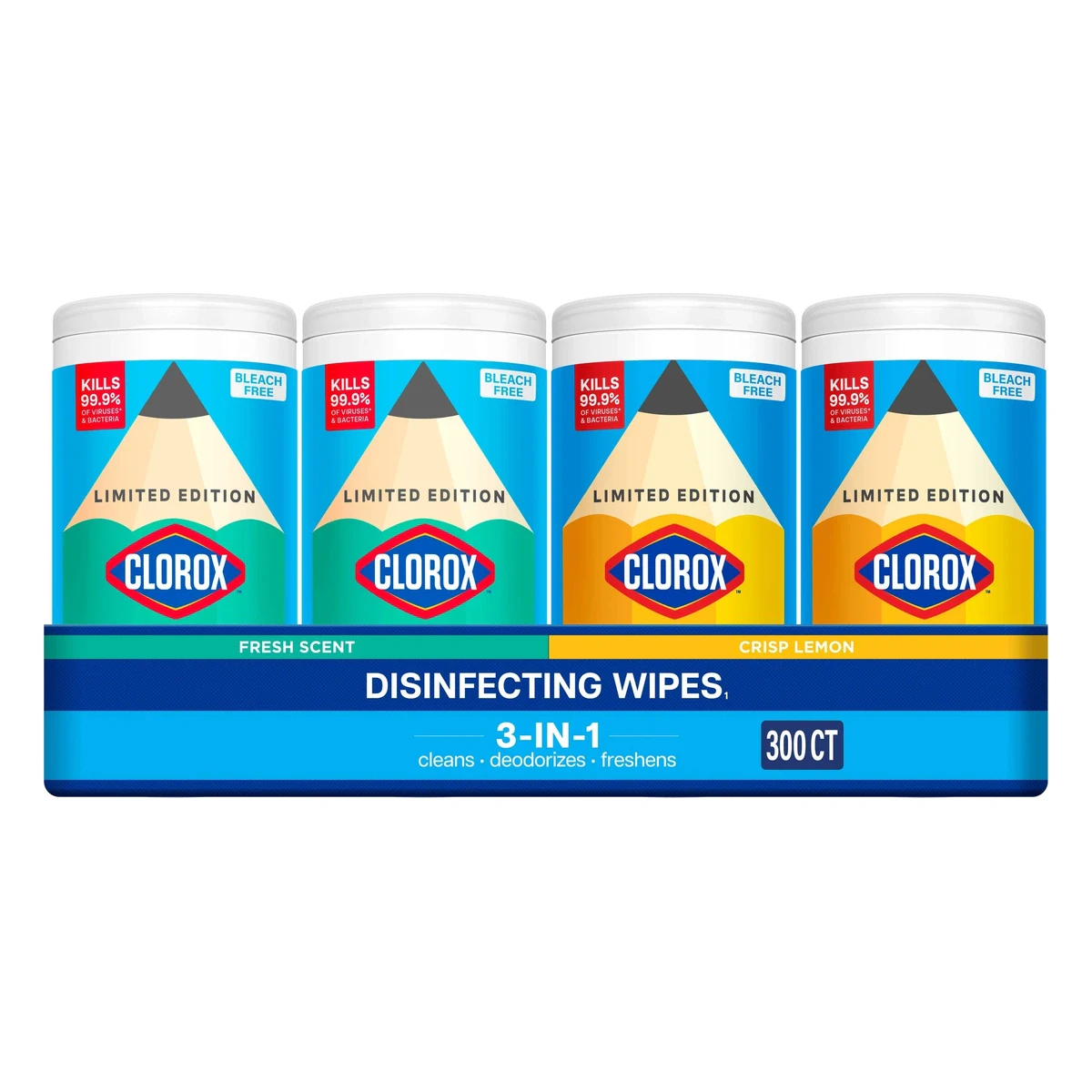
Clorox Disinfecting Wipes Back-to-School Value Pack, 4-Pack / 300ct
Nothing you send into a kindergarten classroom gets used faster than these. The back-to-school pack is the cheapest per-wipe format and four canisters covers a room for months, which is the point — the donation ask is annual, not one-off, and buying the value pack in August is how you avoid the restock email in February. At 4.81 stars across 38,629 reviews the product itself needs no defending. Two things to check on your letter: these are not bleach-free, and a small number of classrooms specify bleach-free wipes. Baby wipes are a separate request, not a substitute.
What We Love
- 4.81 stars over 38,629 reviews
- Four canisters covers a classroom for months
- Back-to-school pack is the cheapest per-wipe format
Worth Noting
- $17.69
- Not bleach-free — check the wording on your list
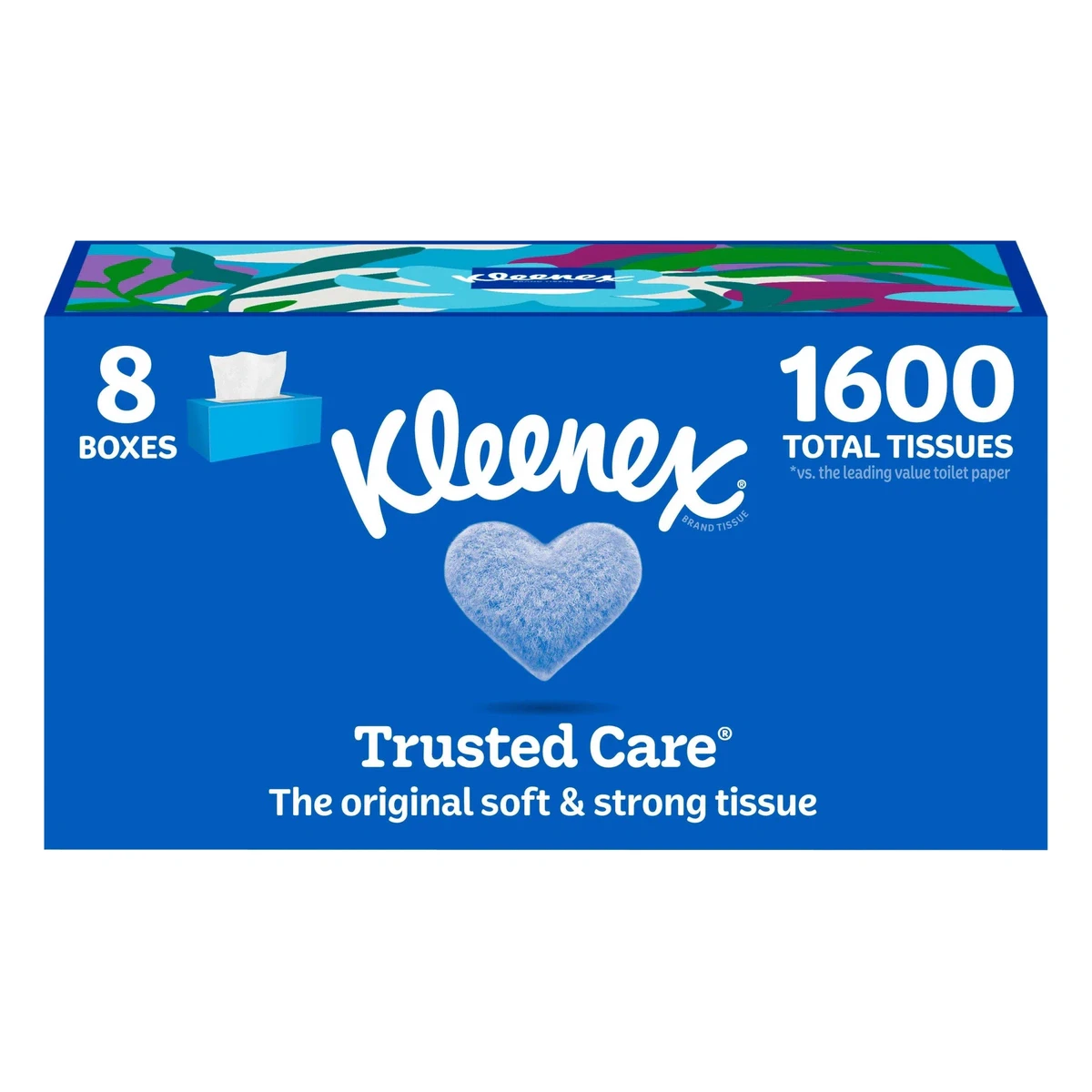
Kleenex Trusted Care Facial Tissue, 8-Pack / 1600ct
Two boxes is the standard ask. Buy the eight-pack once in August and you've covered that plus the mid-winter email asking for more, in the standard rectangle boxes classrooms have holders for. No lotion in this line.
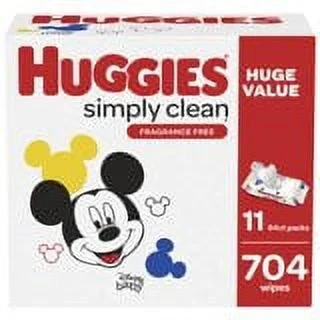
Huggies Simply Clean Unscented Baby Wipes, 11 Packs / 704 Wipes
Baby wipes and disinfecting wipes are two different requests and kindergarten lists usually ask for both — wipes go on children, Clorox goes on tables. Fragrance free, flip-lid packs, 704 wipes, and $42.49 up front.
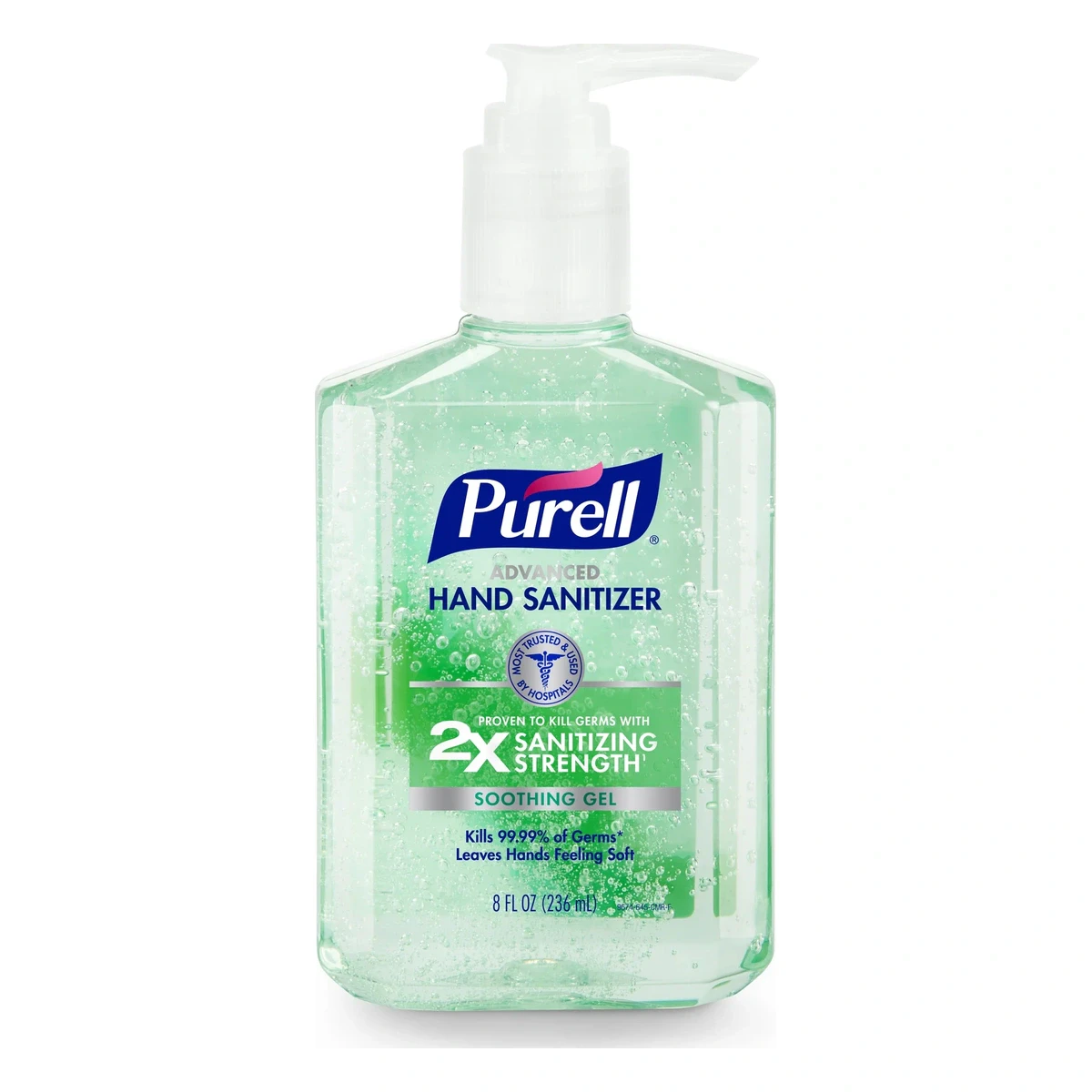
Purell Advanced Hand Sanitizer Soothing Gel, 8 oz Pump
Buy the pump. The format is the entire decision here — a squeeze bottle in a five-year-old's hand empties in about four seconds. Pumps jam, and some districts require the teacher to dispense it.
Labels & organization
Everything that leaves the house needs a name on it, and there is a cheap way and an expensive way to get there. Decide by surface: fabric takes one solution, hard plastic and bottle bases take another, and only gear that goes through a dishwasher or a laundry cycle justifies a purpose-built pack. The rest of this section is home setup rather than school supplies, and it costs very little for how much it changes a weekday morning.
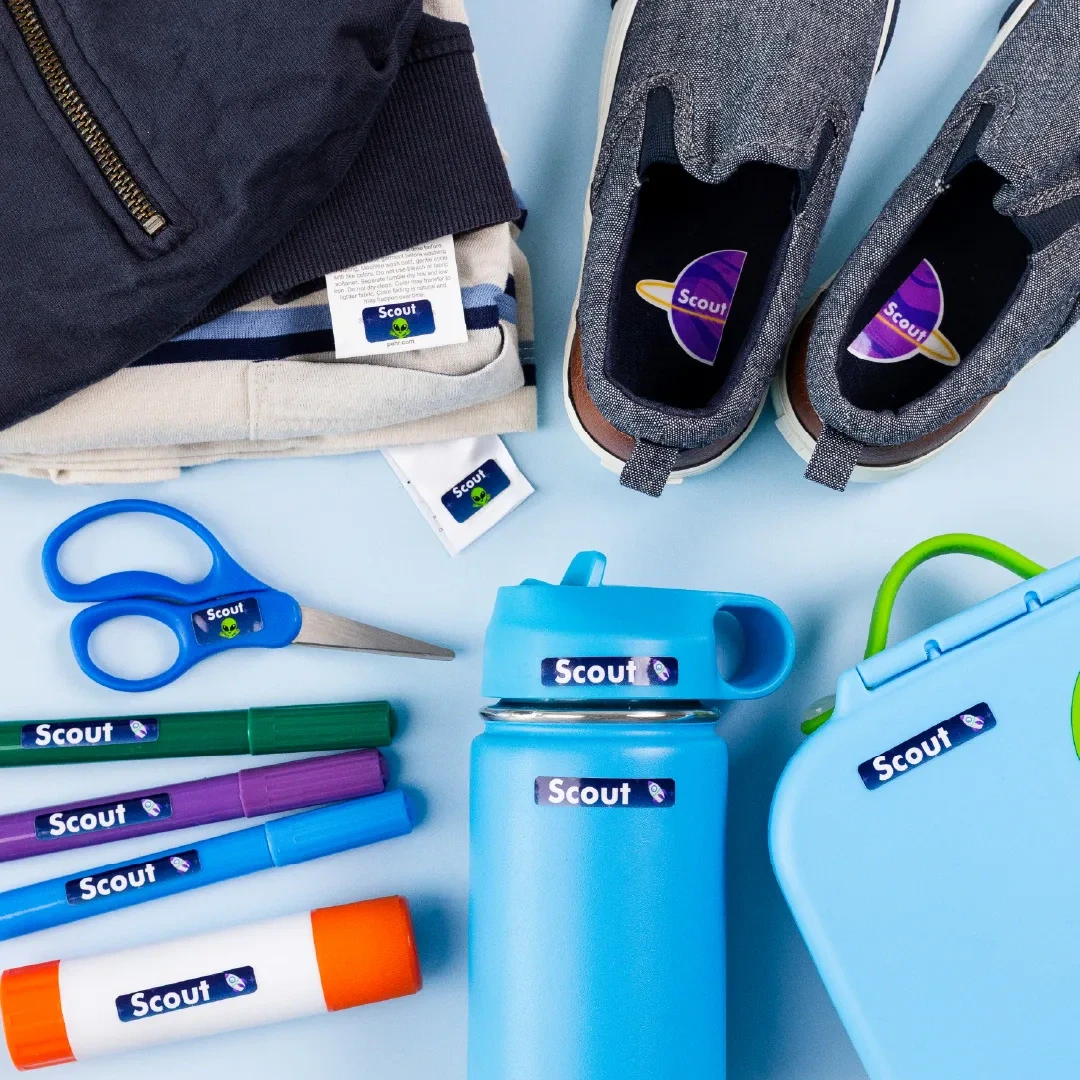
Mabel's Labels Kindergarten Name Label Pack
$32.81 for stickers is a real decision, and the case for it comes down to durability plus one detail: the shoe labels are left/right matching halves, so a child who can't read yet can still get their shoes on the correct feet. That's a teaching tool disguised as a sticker. The pack is built around this specific year — clothing tag labels, bottle-safe stickers, bag tags and gear labels, across 26 designs — and unlike anything you print at home it survives the laundry and the dishwasher, which is where every DIY labeling scheme dies. Give the clothing tag labels 24 hours before their first wash. If the budget doesn't stretch, a $4.99 five-pack of Sharpies covers most of the same ground.
What We Love
- Purpose-built for this exact year: shoe labels with left/right matching halves, clothing tag labels, bottle-safe stickers, bag tags
- Laundry and dishwasher proof — printable labels are not
- 4.6 stars over 463 reviews
Worth Noting
- $32.81
- Clothing tag labels need 24 hours before the first wash
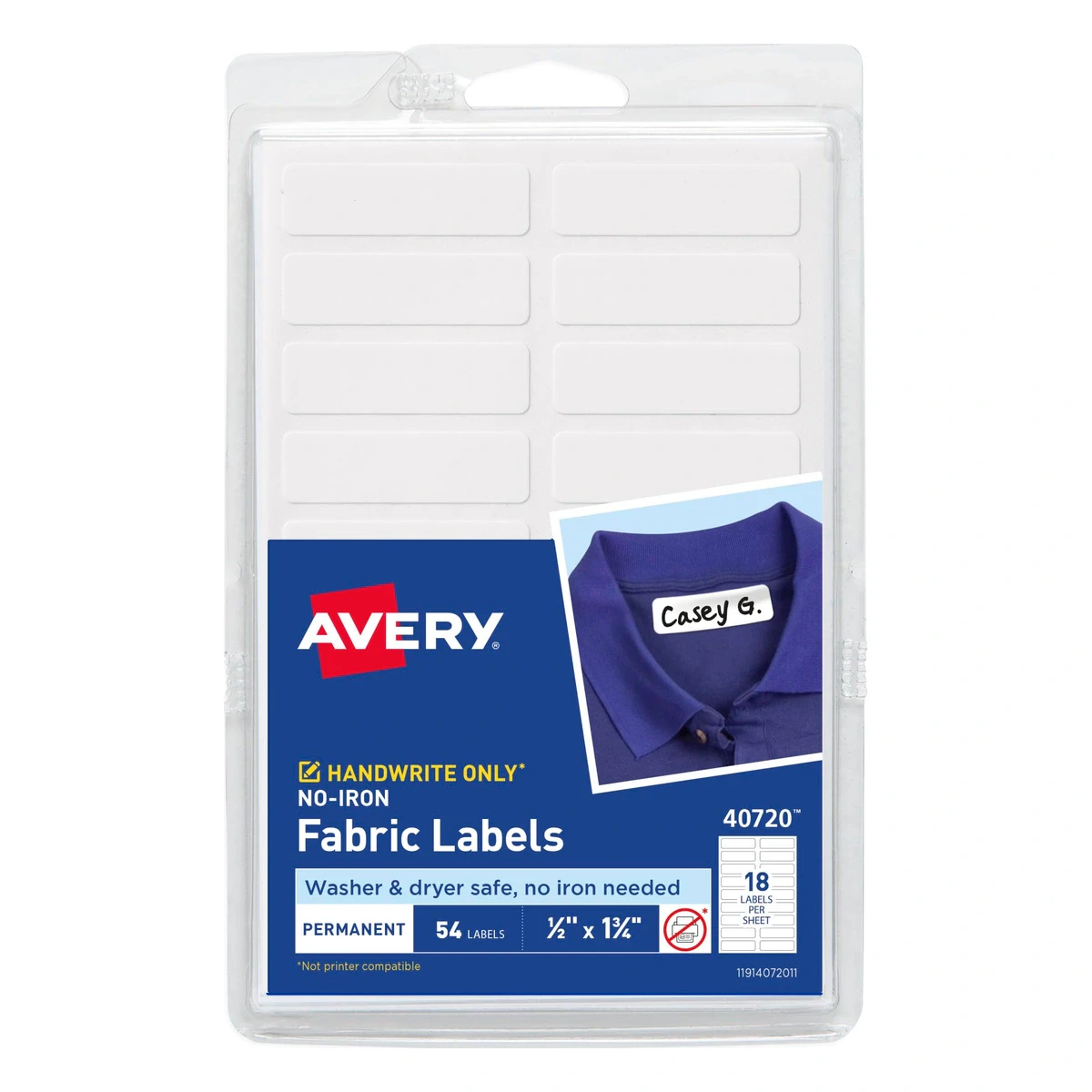
Avery No-Iron Fabric Labels, 54ct
The honest budget alternative to a custom pack: washer and dryer safe, no iron and no printer, 54 labels for $6.19. Handwrite only, and they won't survive a dishwasher — so not for bottles or lunch gear.
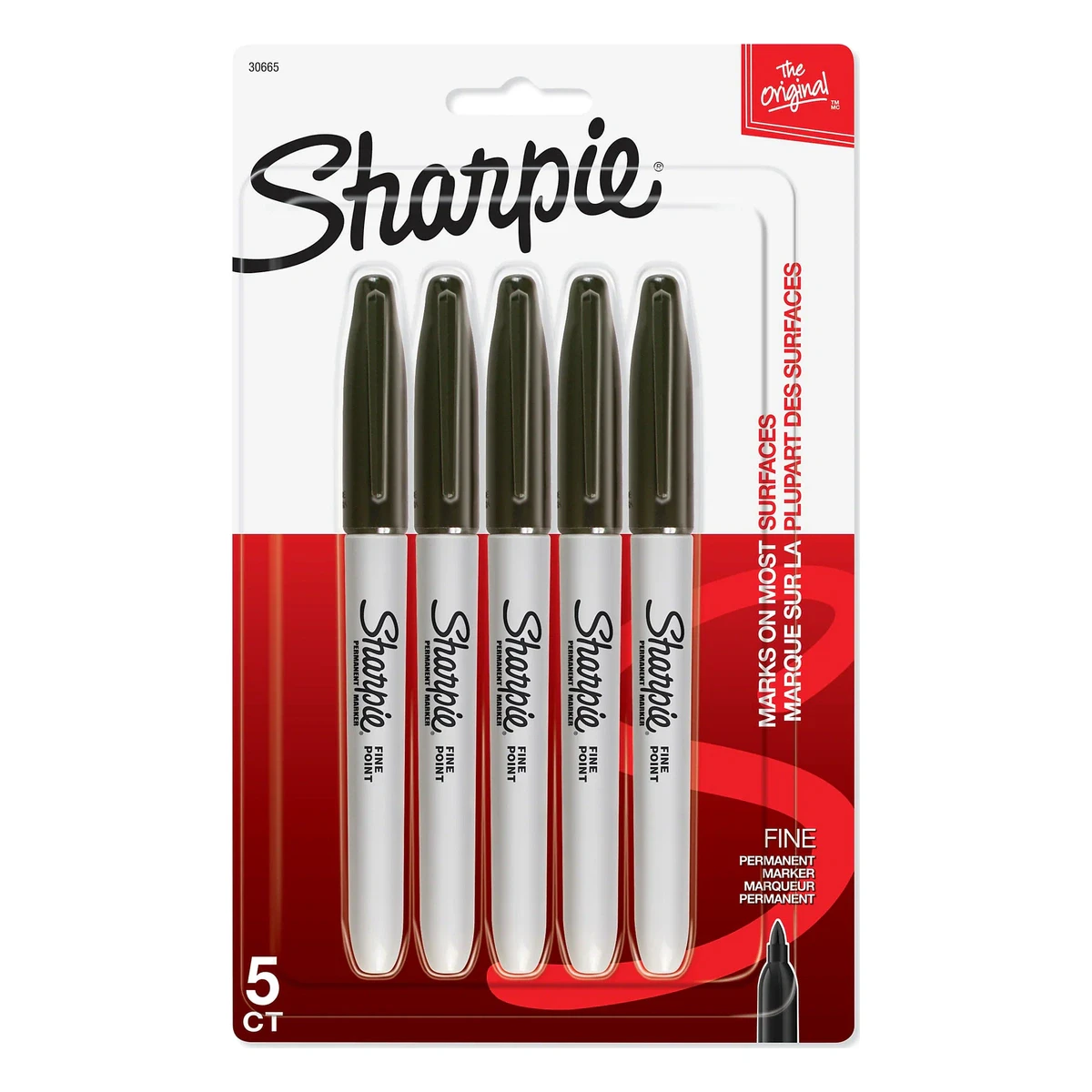
Sharpie Permanent Markers, Fine Point, Black, 5-Pack
Before you spend $32.81 on labels, spend $4.99 on this. Name on the tag, name on the lid, name on the bottle base covers most of the problem. It fades on dishwasher-cycled plastic after a few months.
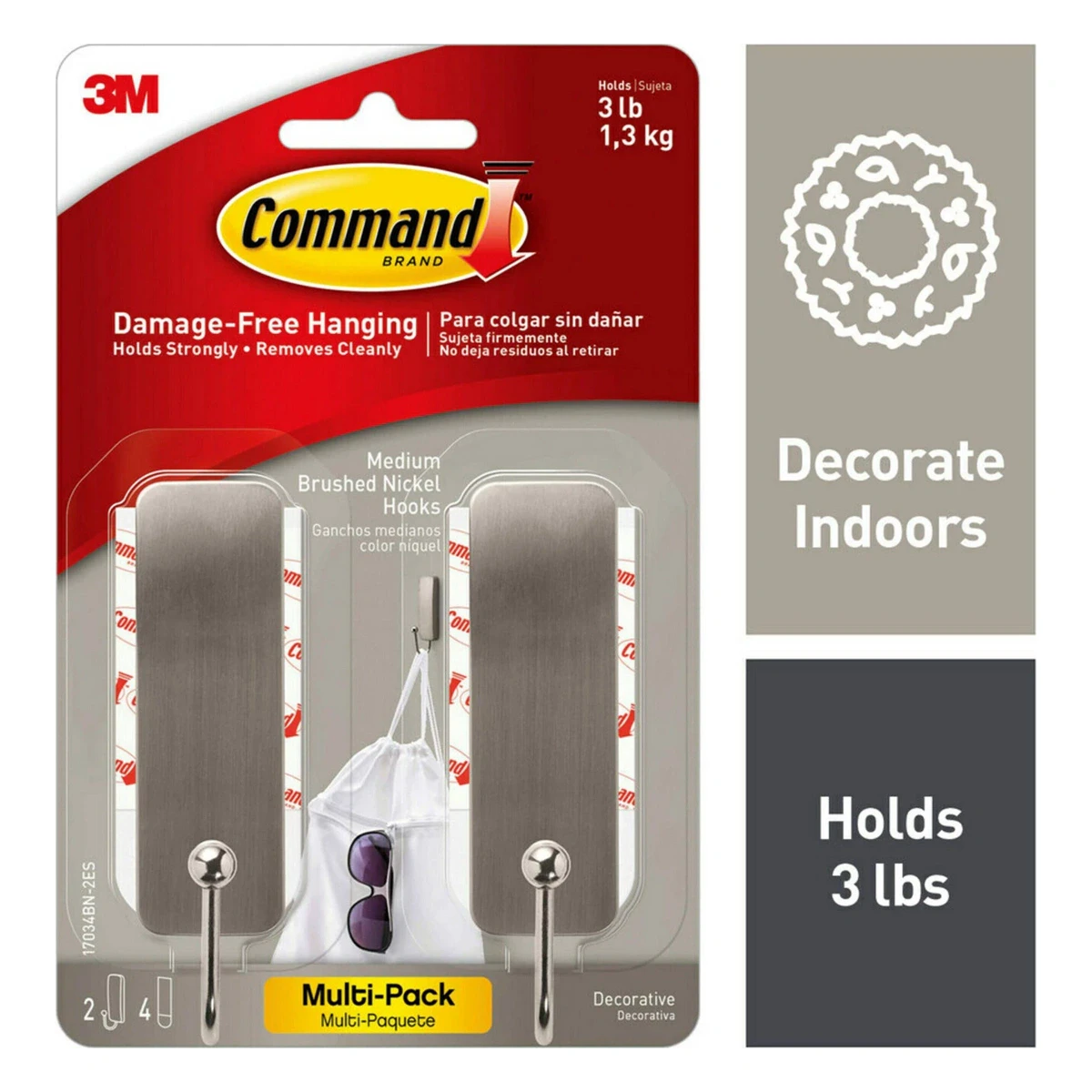
Command Medium Hooks, 2 Hooks / 4 Strips
The best $6.99 in this guide. A backpack hook at kid height means the bag goes on the hook instead of the floor, every day, without you asking. The weight limit is modest, so a fully loaded pack may pull it off.
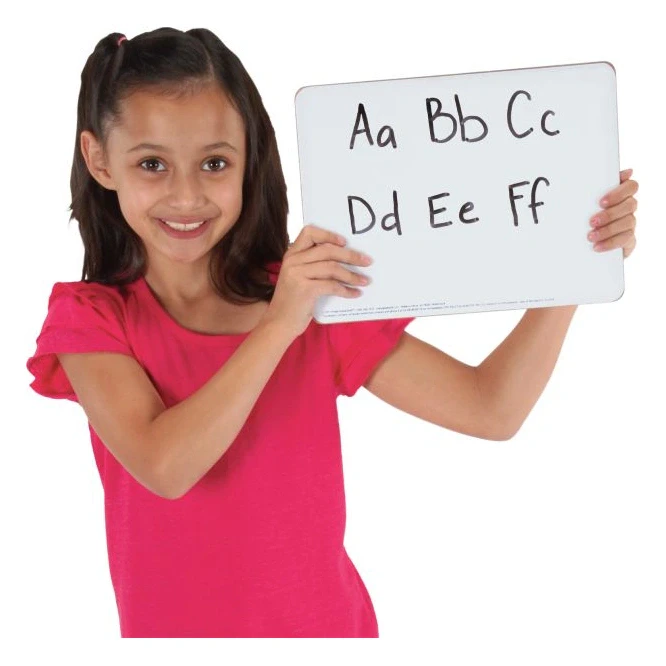
Really Good Stuff Dry Erase Personal Lapboard, 9x12
Letter practice with no paper waste and no permanent record of the mistake — kindergarteners write far more when they can erase instantly, which is exactly why classrooms use these. Only two reviews on this listing, and it ghosts over time.
Clothing & shoes
Buy for width first, washability second, and buy nothing with laces. Width is the constraint parents most often ignore and the one most likely to end with a child who will not put the shoes on at all. If the letter asks for a separate indoor shoe, check the school's policy before you buy anything slip-on — the rules on that vary far more than you would expect.
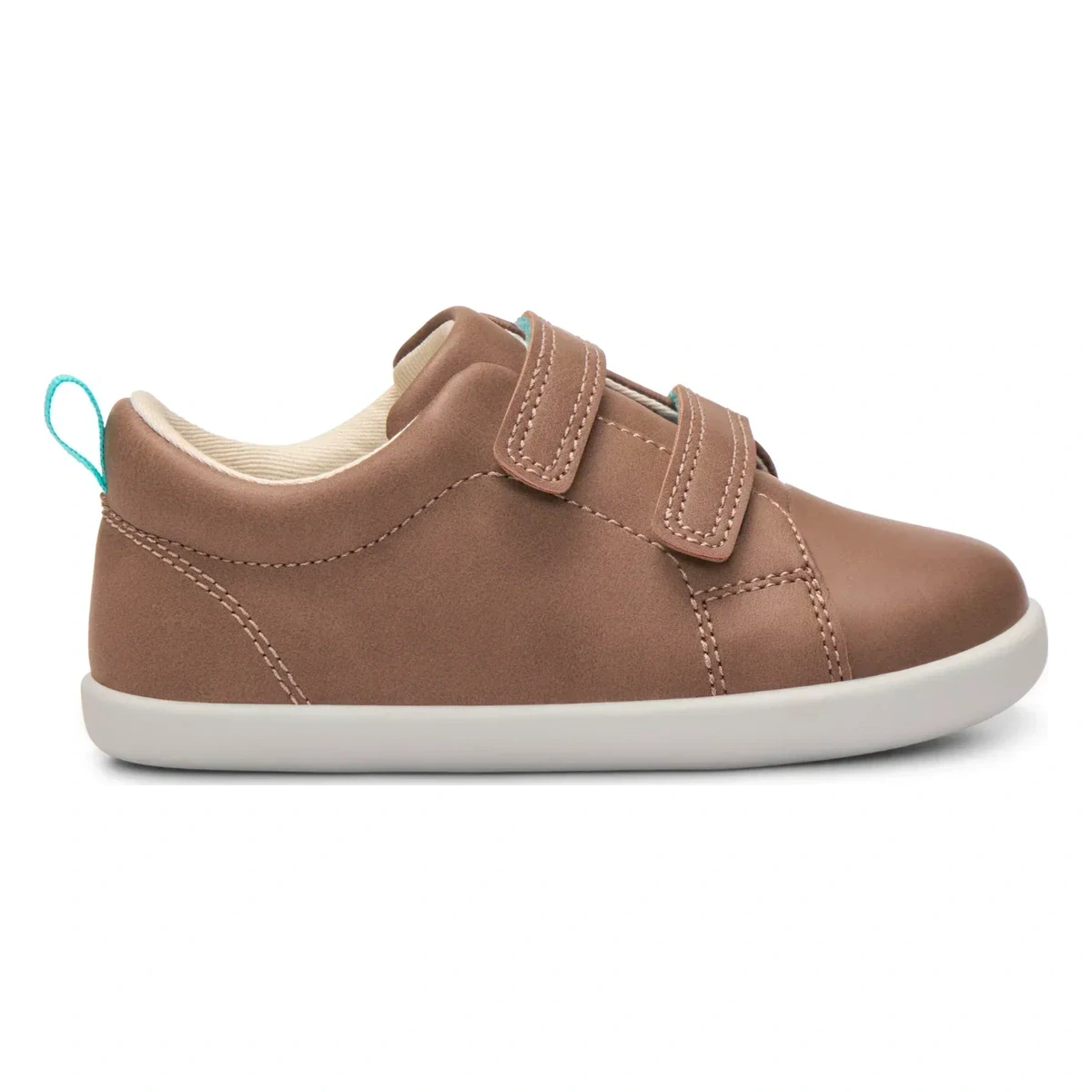
Ten Little Everyday Original Sneakers
Designed with podiatrists rather than styled like a shrunken adult trainer: an APMA Seal of Acceptance, a wide foot-shaped toe box, a zero-drop flexible sole and adjustable velcro a five-year-old manages alone. The fit quiz and half sizes earn their keep on a foot that changes every September. The vegan upper scuffs faster than leather.
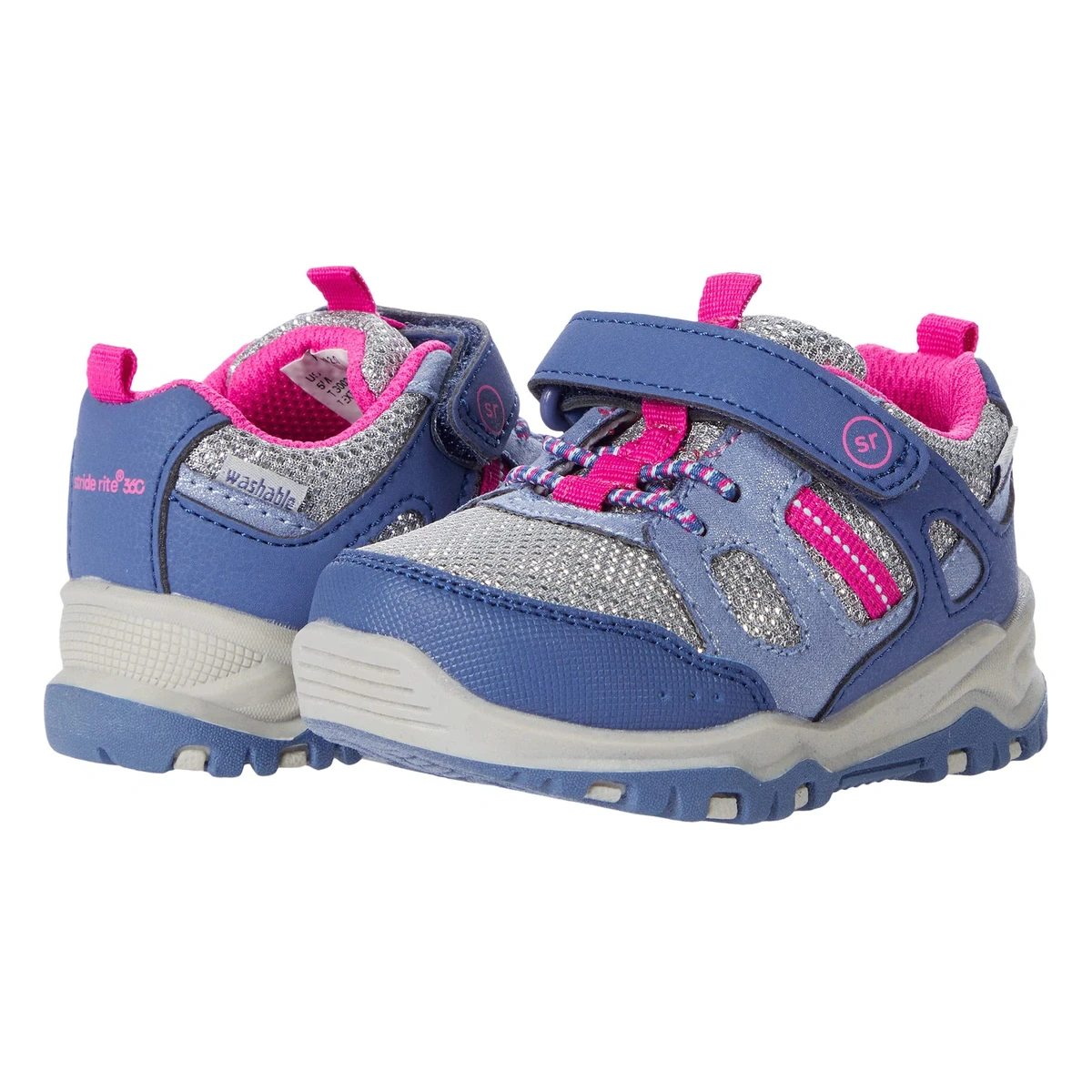
Stride Rite 360 Artin 2.0 Sneaker
No laces is not a convenience in kindergarten, it's a requirement — almost nobody in that room can tie a shoe in September and one teacher cannot tie 25 of them between recess and lunch. The hook-and-loop closure here is one a five-year-old fastens alone, and the whole shoe goes in the washing machine, which settles the argument the first time they find a mud puddle. It comes in regular and wide widths, and free returns matter more than usual when you're sizing a foot that changes every few months. Two honest caveats: the listing for this color carries only two reviews, and velcro loses its grip after a few months of daily use.
What We Love
- Hook-and-loop closure a five-year-old fastens alone
- Machine washable, and comes in wide widths and half sizes
- $42 with Zappos free returns
Worth Noting
- Only 2 reviews on this colourway
- Velcro loses grip after a few months of daily use
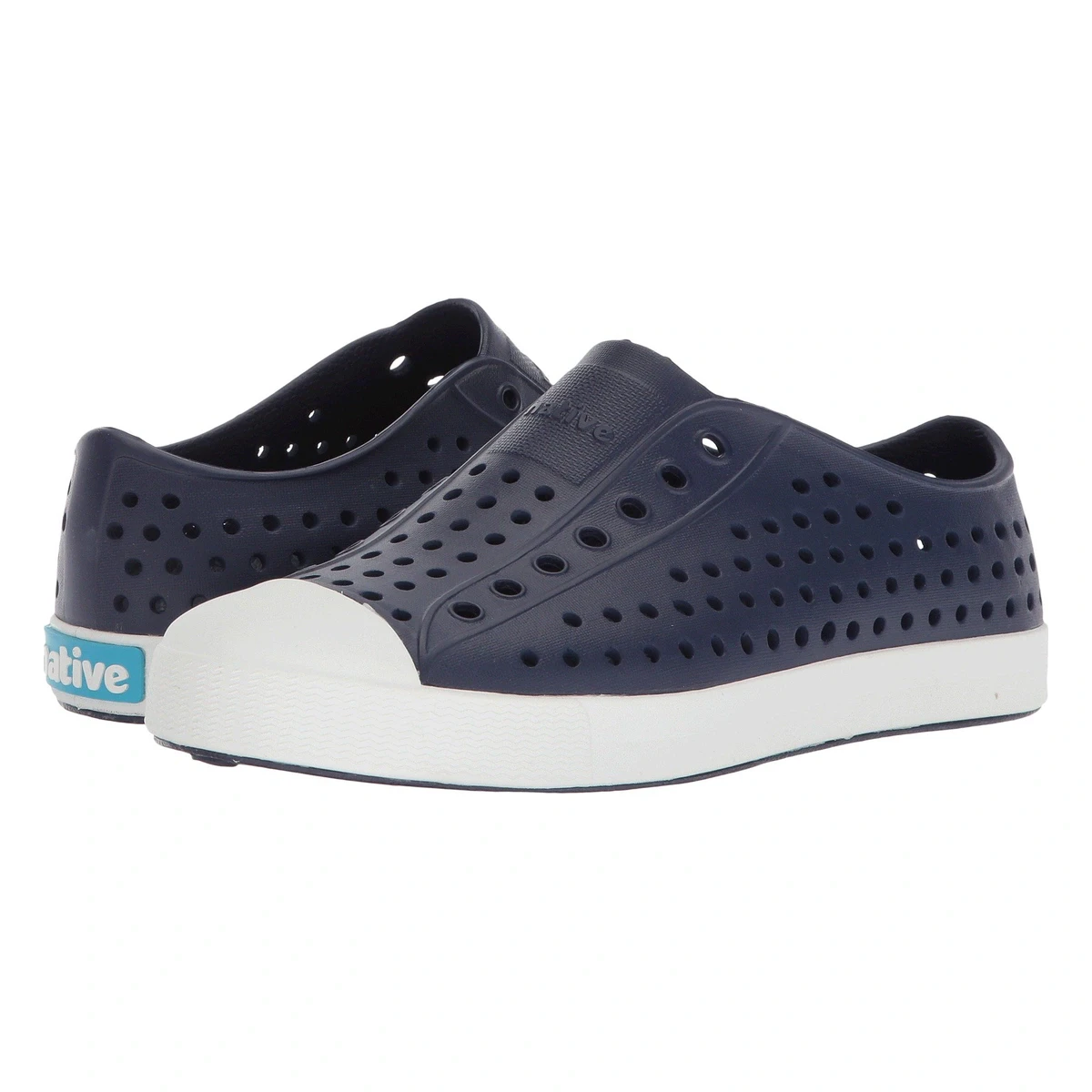
Native Shoes Jefferson (Little Kid/Big Kid)
For the child who finds every puddle between the car and the door: one-piece EVA, nothing at all to fasten, genuinely waterproof, and the whole shoe goes under a tap. No arch support to speak of, and at $55 they crease permanently.
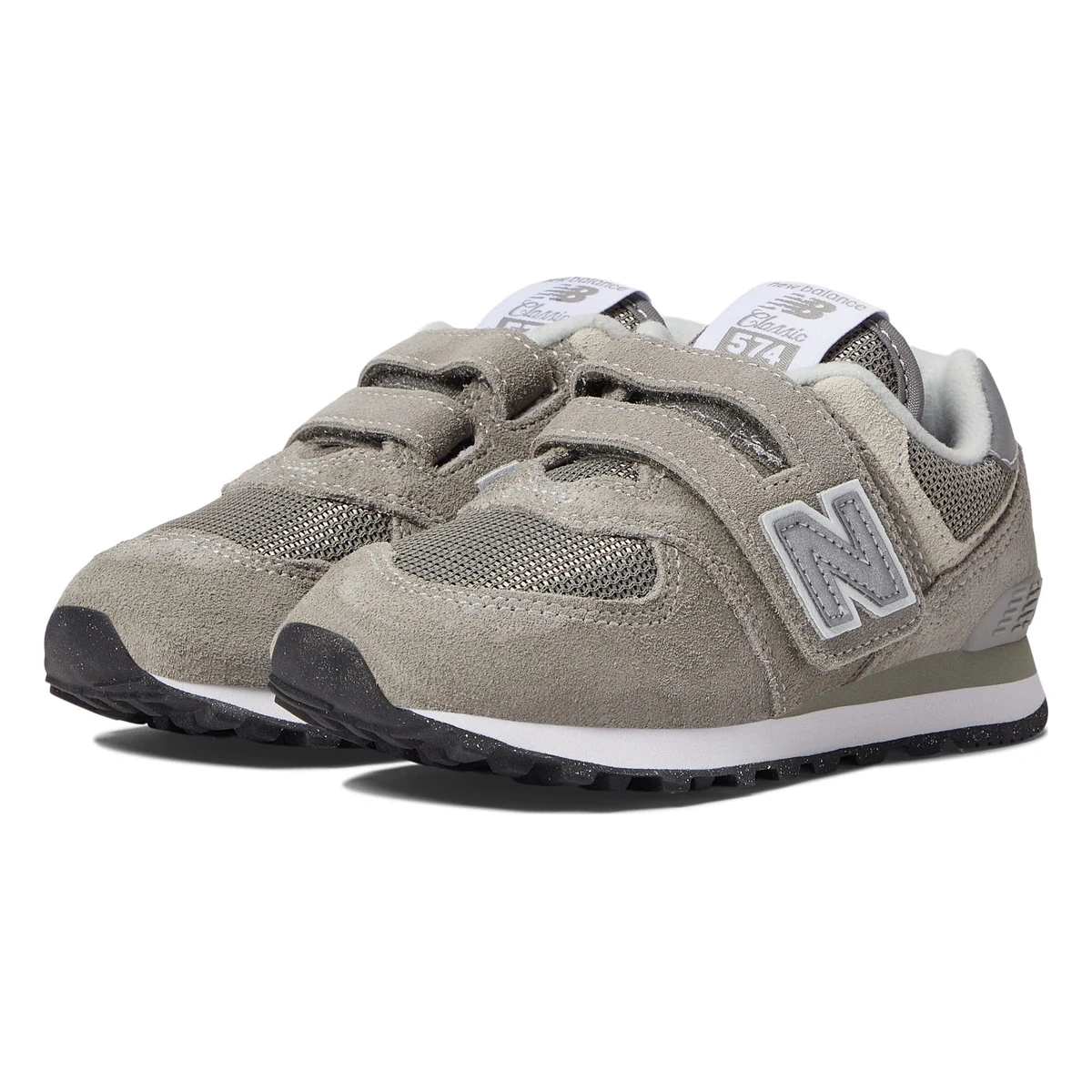
New Balance 574 Core Hook & Loop (Little Kid)
Wide and x-wide, which almost no kids' sneaker offers, plus real running-shoe cushioning for a child on a blacktop. A too-narrow shoe is the most common reason a kindergartener refuses to wear shoes at all. At $74.95 it's the most expensive shoe here, and two straps take longer than one.
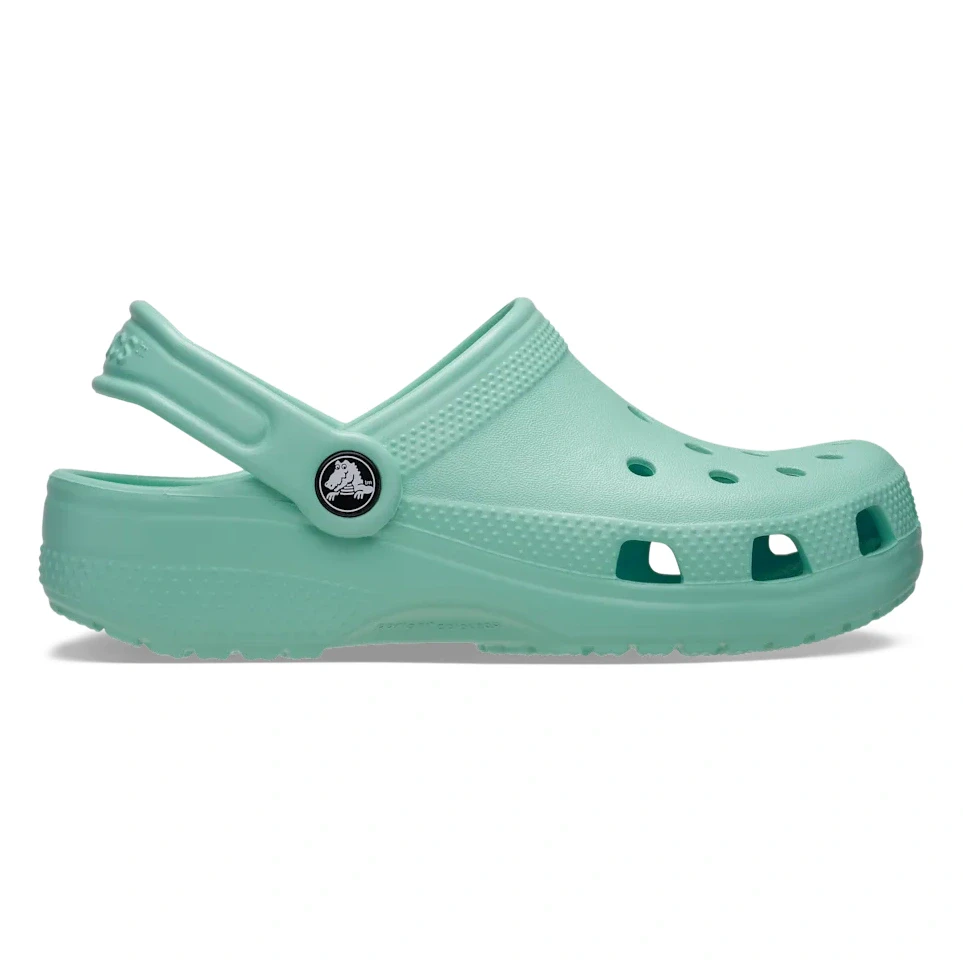
Crocs Kids' Classic Clog
Plenty of classrooms ask for an indoor shoe, and this is the one a five-year-old changes into unassisted in under five seconds. Check the policy first — many schools ban them for outdoor play — and expect the heel strap to get flipped forward and forgotten.
Health & safety
Two things that never appear on a supply list and both matter by mid-year. Sun exposure at recess is daily and cumulative, and the school is rarely in a position to help with it, so whatever goes on in the morning has to still be working at midday. The second one does not become obvious until January, once the classroom heating has been running for weeks.
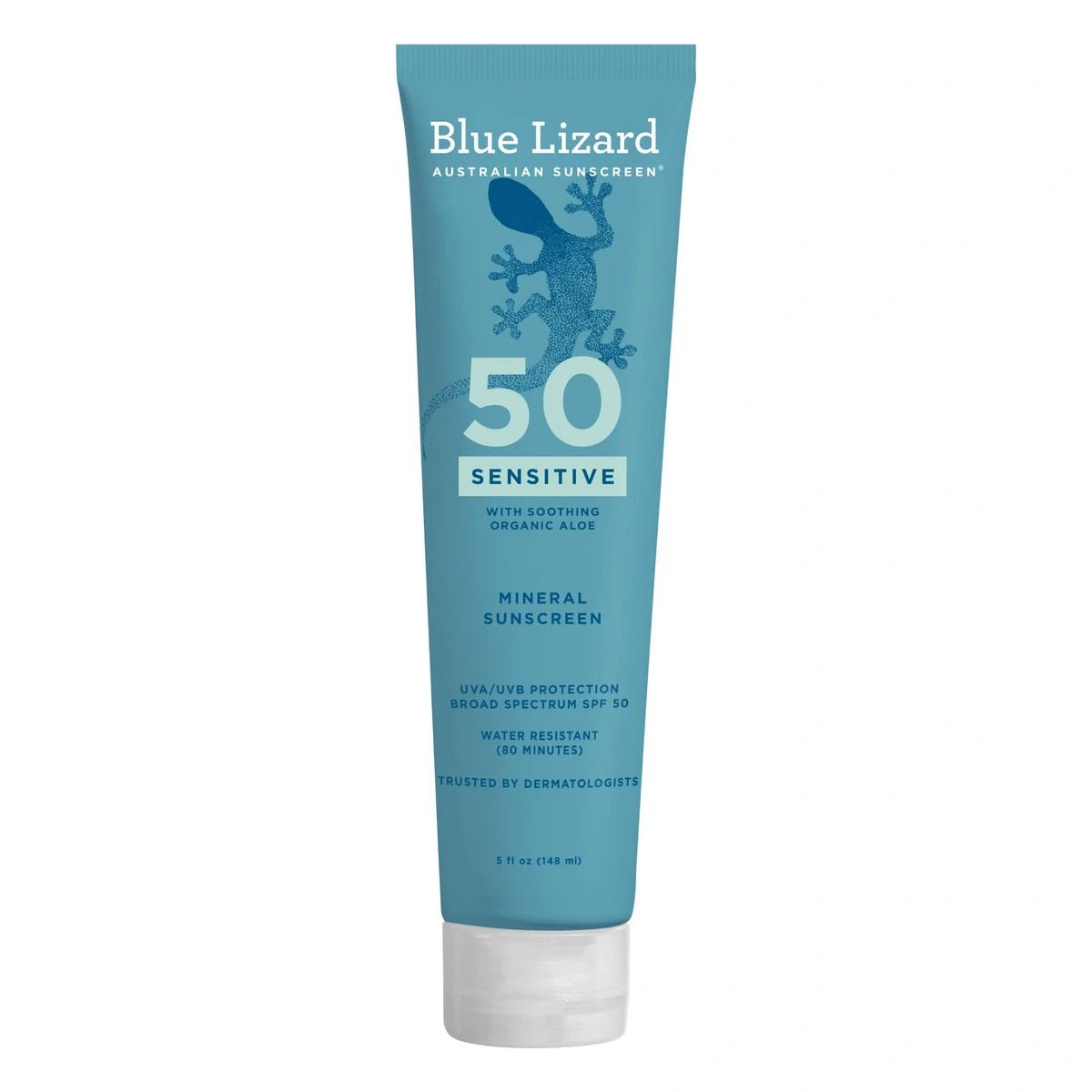
Blue Lizard Sensitive Mineral Sunscreen Lotion, SPF 50+
Most districts expect sunscreen applied at home and rarely allow reapplication at school, so a mineral SPF 50 in the morning is the one still working at recess. The bottle changes color in UV, which is a genuinely useful teaching prop. Mineral formulas leave a white cast.
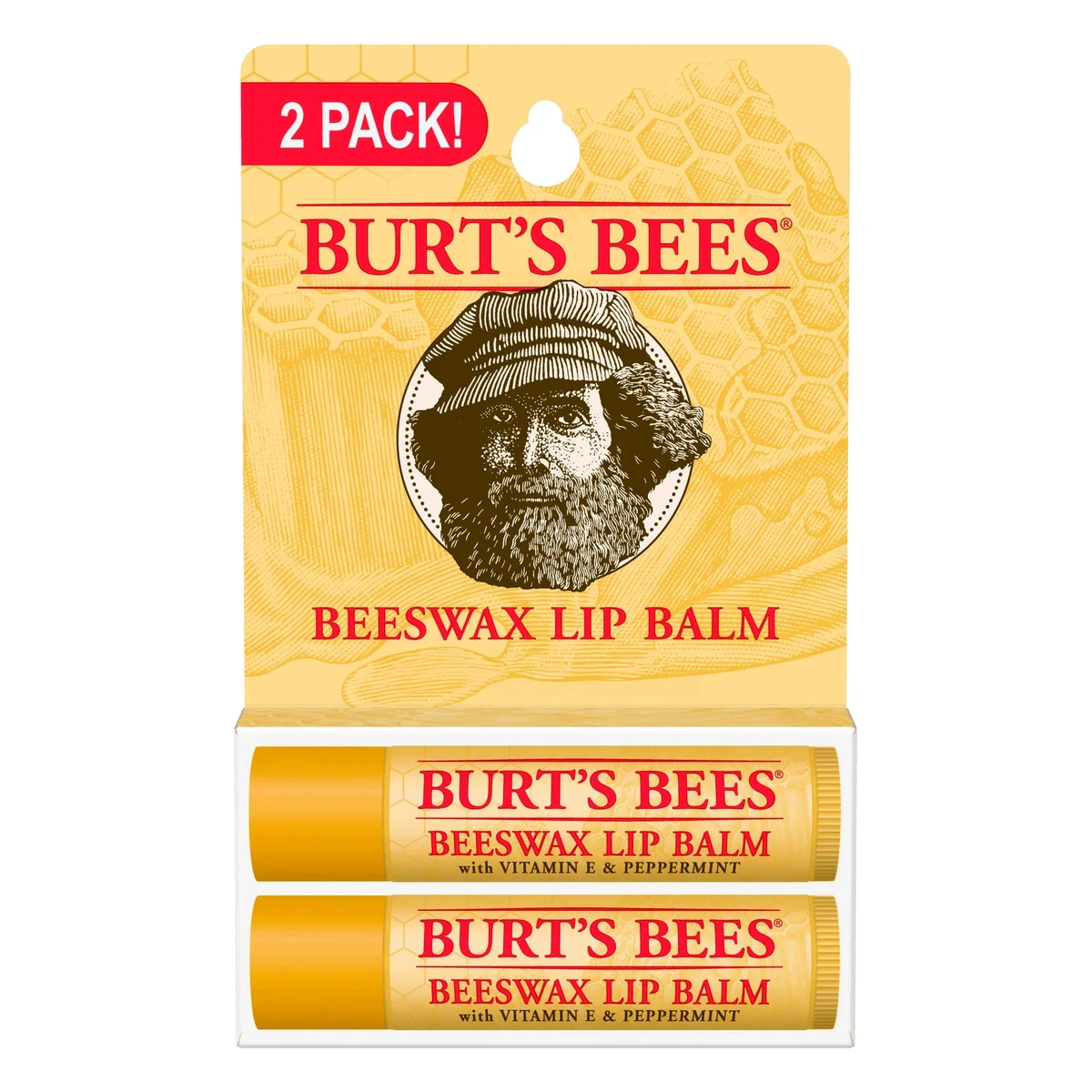
Burt's Bees Beeswax Lip Balm, 2-Pack
Chapped lips in a dry heated classroom in January is a real and completely unanticipated kindergarten problem. Nobody puts it on a supply list; $6.79 buys two, one for the backpack and one for home. Kids eat it.
Home learning extras
None of this is required and all of it is optional — skip the section with a clear conscience if the budget is tight. If you buy one thing, make it something your child can use without an adult sitting beside them, because that is the only kind of practice that actually happens on a weeknight. And keep the sessions short: at five, frequency beats duration by a distance, and a resented twenty minutes is worse than none at all.
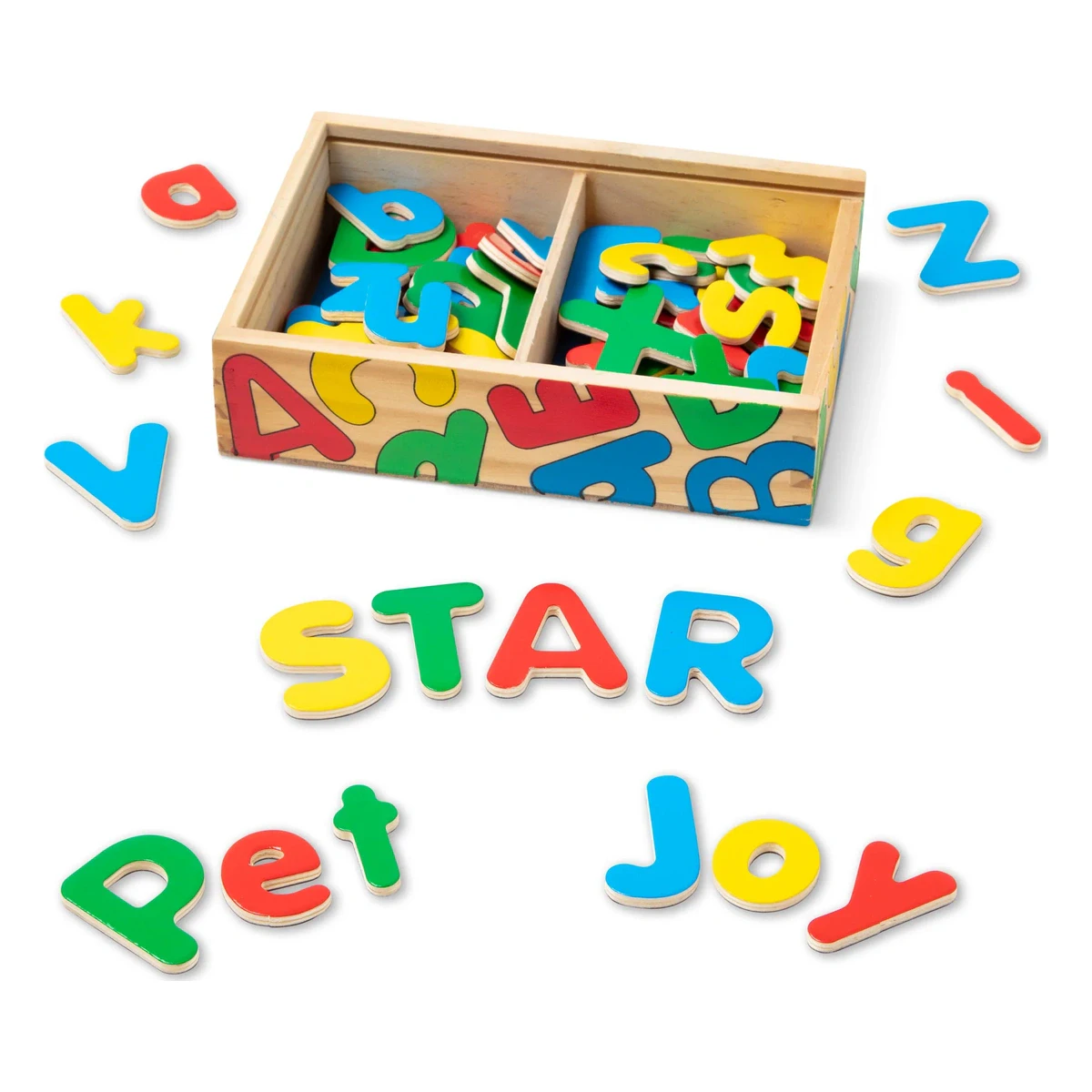
Melissa & Doug Wooden Letter Alphabet Magnets, 52pc
Ten minutes of fridge letters is the highest-leverage thing you can do at home this year. Get a set with both cases — matching uppercase to lowercase is what kindergarten actually assesses. Wooden, with a slide-lid storage case, and 52 pieces will spread across your kitchen floor.

MathLink Cubes, Set of 100
Counting to 100 by ones and tens is a kindergarten standard, and a physical cube beats a worksheet every time. These interlock on all six faces, so they do patterning as well as counting — check your school doesn't use Unifix instead, which isn't compatible.
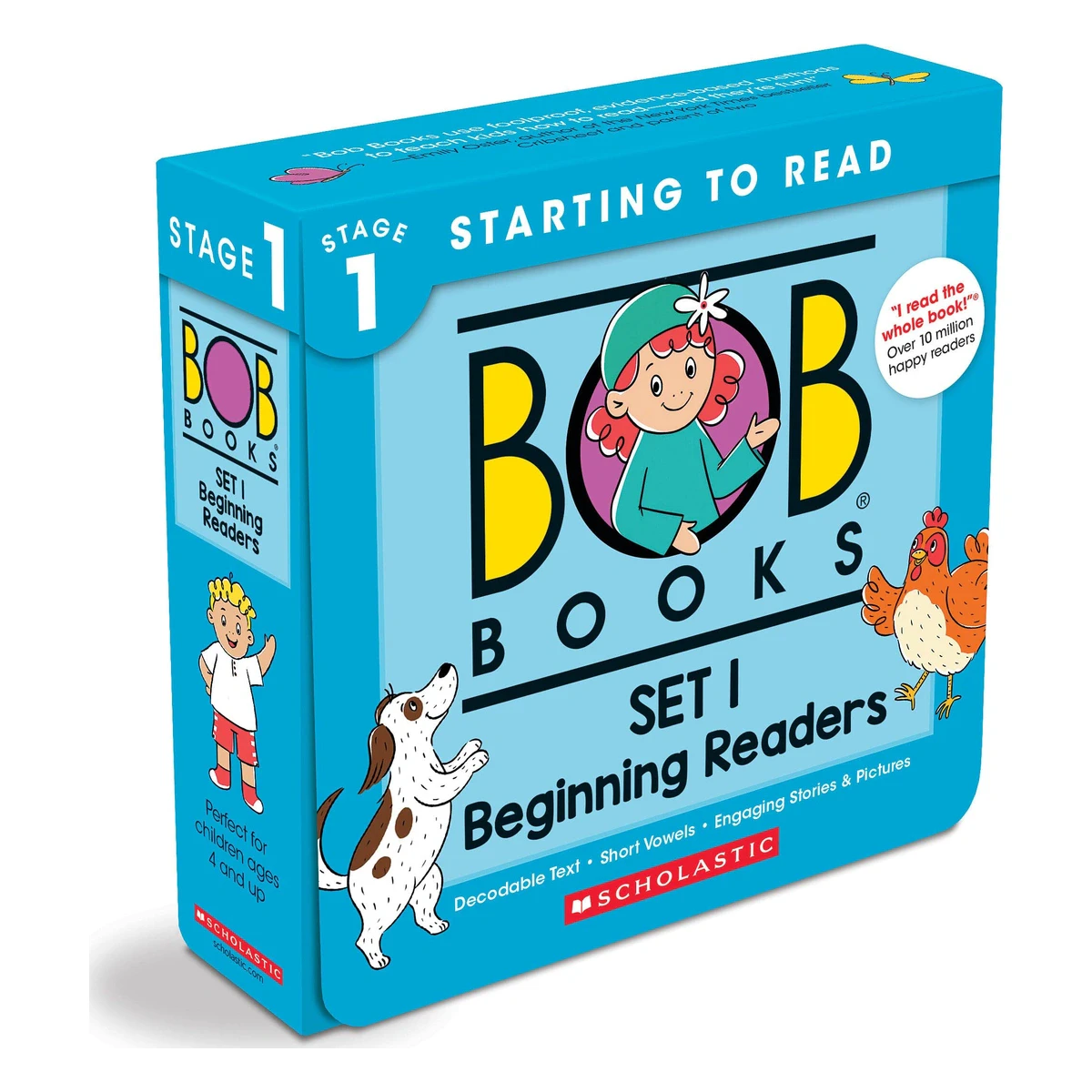
Bob Books Set 1: Beginning Readers
Twelve tiny books a brand-new reader can genuinely finish, which is the entire point — finishing a whole book in week three does more for confidence than any amount of flashcards. The stories are deliberately dull by design. 4.8 stars over 23,564 reviews.
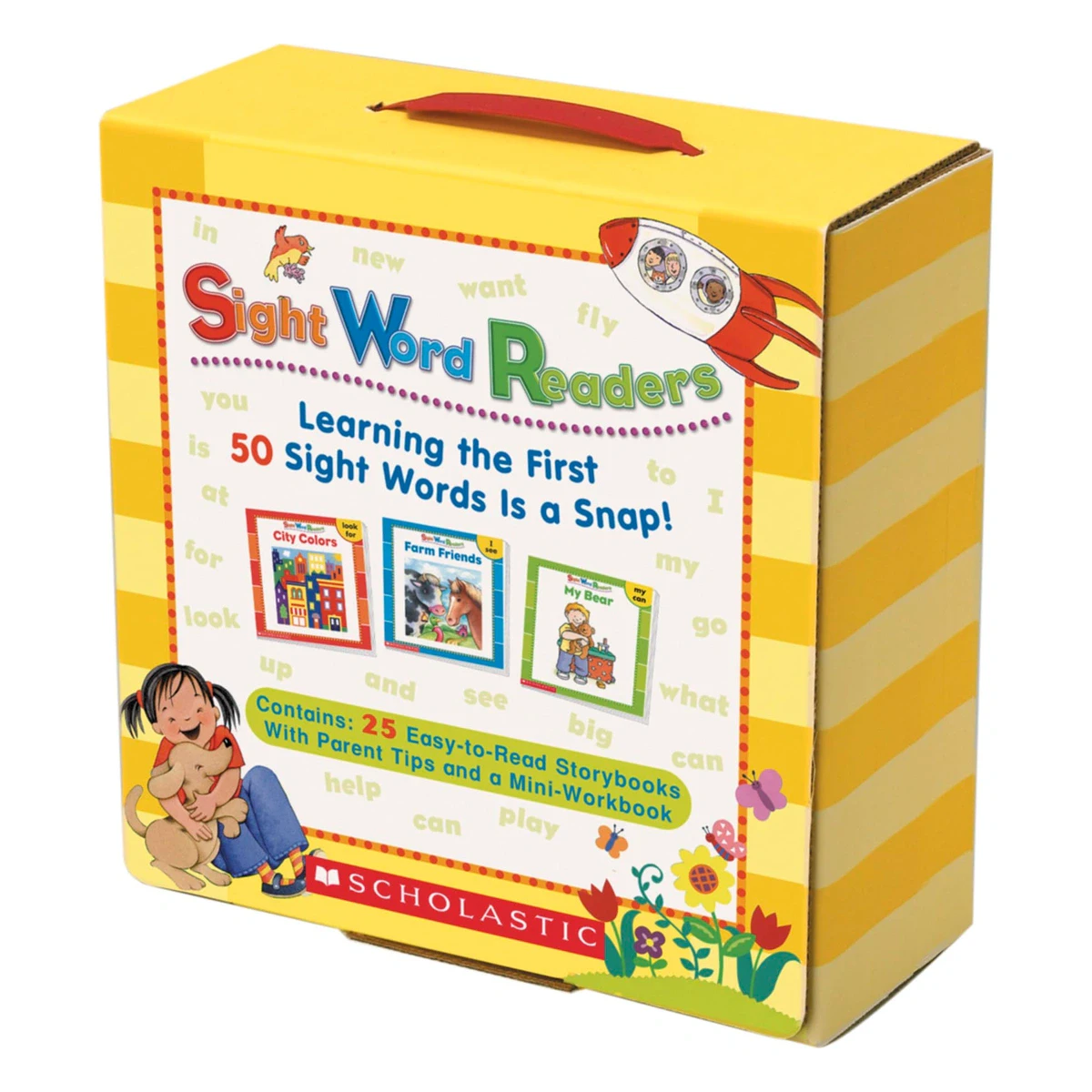
Scholastic Sight Word Readers, Set of 25
One high-frequency word per book, which is exactly what kindergarten report cards grade, and it makes pure repetition feel like reading rather than drilling. The paperbacks are flimsy, and a confident reader burns through all 25 in a week.
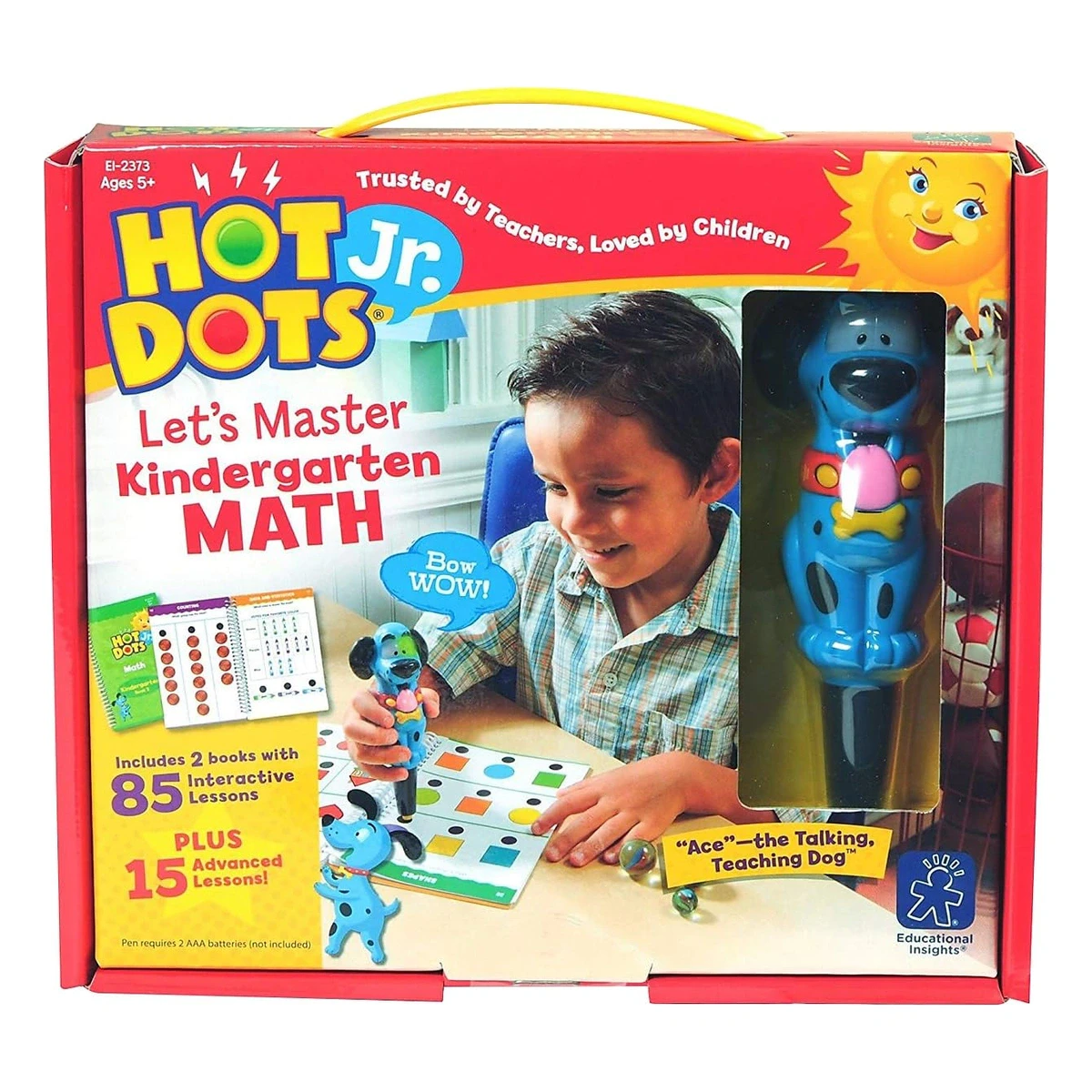
Educational Insights Hot Dots Jr. Let's Master Kindergarten Math
The self-checking pen gives instant right/wrong feedback, so a five-year-old can practice without an adult sitting beside them — the only kind of weeknight practice that actually happens. The pen needs batteries and the noise gets old fast.
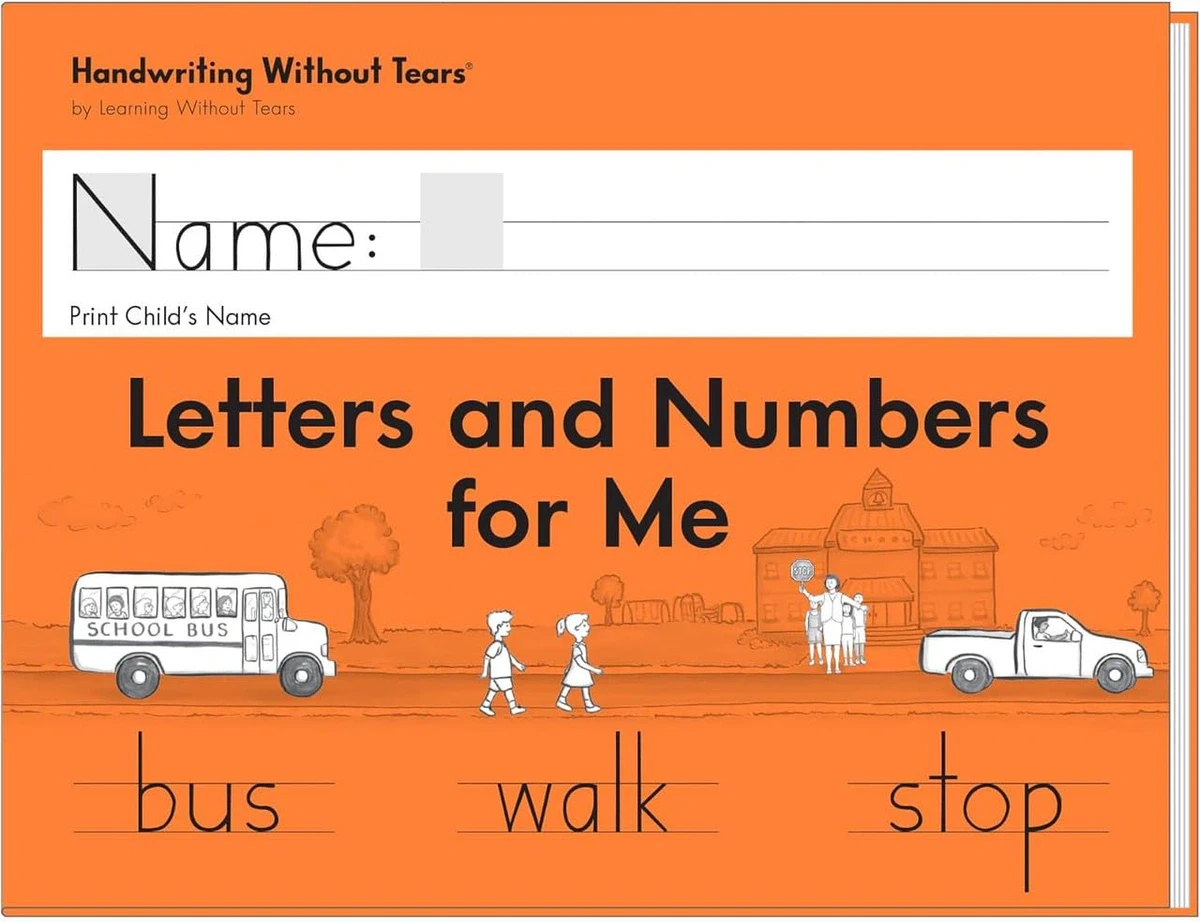
Learning Without Tears — Letters & Numbers for Me, Kindergarten
Ask which handwriting program your school uses before you buy any workbook. If it's this one — and for a lot of districts it is — matching it beats a generic tracing book by a distance. If they use D'Nealian, it's useless.
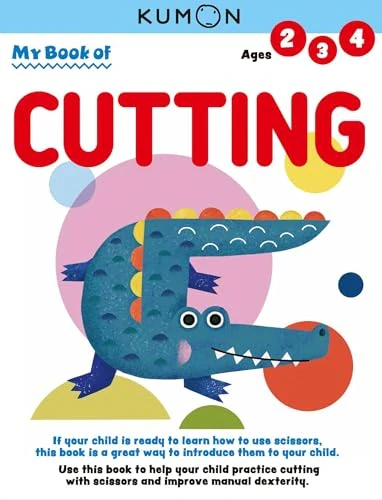
Kumon My First Book of Cutting (Ages 3-5)
Scissor skills are formally assessed in kindergarten and most children arrive behind. A structured progression from straight lines to curves and shapes fixes that faster than anything else here, for $9.95. It's consumable — one child, one book.
How to coordinate back-to-school shopping with family
The predictable failure here is three water bottles and no rest mat, because grandparents shop the fun end of the list. Put the whole thing on a free GiftList and share one link — items get marked as claimed so nobody doubles up, and you can see what is still outstanding a week before the first day. If you have never done it, here is how to share a gift list online; co-parents splitting the shop can co-edit one list with collaborative wishlists. The browser extension adds anything from any store in one click while you are already shopping.
The eleven picks that need a real decision
Everything else on this page is a commodity buy. These are the eleven where the choice changes the year — sorted by price, and totalling $260.68 if you bought all of them.
| Pick | Price | The decision it settles | Store |
|---|---|---|---|
| Fiskars 5" Blunt-Tip Kids Scissors | $4.49 | Softgrip handles hold a small hand in position | Michaels |
| Mead Primary Journal, Grades K-2 | $4.79 | Picture box + dashed midline, not a composition book | Amazon |
| My First Ticonderoga Pencils, 12ct | $9.99 | Beginner barrel, pre-sharpened | Staples |
| Clorox Disinfecting Wipes, 4-Pack | $17.69 | The fastest-consumed classroom donation | Target |
| Thermos FUNtainer 12 oz Bottle | $18.99 | 12 oz is the weight a five-year-old can carry full | Thermos |
| Bentgo Kids Prints Lunch Box | $29.99 | A latch they can open without a teacher | Bentgo |
| KinderMat 1.5" 4-Section Rest Mat | $29.99 | Accordion fold, because nobody under six can re-roll | Amazon |
| BuddyPhones Explore+ (Wired) | $29.99 | Wired, and capped at a certified 85dB | BuddyPhones |
| Mabel's Labels Kindergarten Pack | $32.81 | Left/right shoe labels that survive the dishwasher | Mabel's Labels |
| L.L.Bean Junior Original Book Pack | $39.95 | Built for a small back; monogram + reflective trim | L.L.Bean |
| Stride Rite 360 Artin 2.0 Sneaker | $42.00 | Hook-and-loop, and it goes in the washing machine | Zappos |
How we chose these picks
We built this list from published school-district supply lists, retailer back-to-school category data and expert reviews, then filtered every candidate through one question: does a five-year-old need a different version of this than an eight-year-old does? That is what put jumbo triangular crayons, spring-assisted scissors, primary-ruled journals and pull-on pants on the page, and what kept a lot of generic "school supplies" off it. Every price, link and image was verified on the retailer's own product page rather than a listing or a search result, which is also why the picks span 28 different stores instead of one convenient checkout.
Kindergarten shopping feels bigger than it is. Almost all of it is a fifty-cent-to-five-dollar commodity buy that your teacher's letter has already decided for you, and the whole exercise comes down to five or six pieces of gear that your child has to be able to work alone. Sort those first — the backpack, the lunch box, the bottle, the headphones, the mat, the shoes — and the rest is a single trip.
Start a free back-to-school list on GiftList, add the supplies and the gear, and send one link to the people asking what your kid needs.
Need a more personalized gift idea?
Tell Genie who you're shopping for and get tailored recommendations in seconds.
Free to use — no account required.
Frequently Asked Questions
How much does a kindergarten school supply list actually cost?
Our ten-item classroom-consumable basket - crayons, markers, pencils, glue sticks, school glue, scissors, a primary journal, a plastic folder, a pencil box and dry-erase markers - comes to $46.73 at the prices we verified. The five gear decisions add $148.91. Classroom donation supplies are separate again.
What does the teacher supply and what do parents have to buy?
Teachers supply the shared classroom materials - paper, center resources, most art supplies. Parents buy the personal kit that lives in a pencil box or cubby, plus a donation to the shared bin. Read your letter closely: it usually separates the two, and the donation half is where tissues and wipes appear.
Why are tissues, Clorox wipes and Ziploc bags on a kindergarten supply list?
Those are classroom-donation items, not your child's supplies. School budgets rarely cover them and a kindergarten room burns through them fastest. The Clorox back-to-school 4-pack ($17.69), Kleenex 8-pack ($17.49) and Ziploc gallon bags ($10.89) cover the usual ask for a full year in one August purchase.
Do I really need to label everything for kindergarten?
Yes, and you can do it two ways. A 5-pack of fine-point Sharpies ($4.99) covers tags, lids and bottle bases and handles most of the problem. The Mabel's Labels Kindergarten pack ($32.81) is laundry- and dishwasher-proof and includes left/right shoe labels, which printable labels cannot match.
Should kindergarten shoes have velcro or laces?
Velcro, or no fastening at all. Almost no five-year-old can tie a lace in September and a teacher cannot tie 25 pairs a day. The Stride Rite 360 Artin 2.0 ($42) is hook-and-loop and machine washable; the Native Jefferson ($55) has nothing to fasten and rinses clean.
What can I skip on a kindergarten supply list?
Anything the classroom already stocks and anything premium your child will lose. Skip the $35.20 Stockmar beeswax crayons and the $19.99 Lakeshore jumbo pencil set for school - they are excellent, but they are home purchases. Buy the fifty-cent Crayola box the list names instead.